EcomOptix

Author: Manoj Chauhan

  • What is the Best SEO tool for Shopify?

    What is the Best SEO tool for Shopify?

    Shopify SEO tools may help you expand your e-commerce business by optimizing your online store, improving its exposure in search engine results pages, and drawing in more clients. But which tools do you pick from the Shopify App Store’s more than 8,000 apps? How do you choose the most important Shopify SEO tools from a plethora of possibilities, and what do you actually need for successful Shopify SEO?

    We’ve compiled a list of the best tools to improve the SEO performance of your Shopify store. We go over feature summaries and app descriptions for each of the apps on this list. To optimize the search engine performance of your website, use our guide to choose the top Shopify SEO solutions.
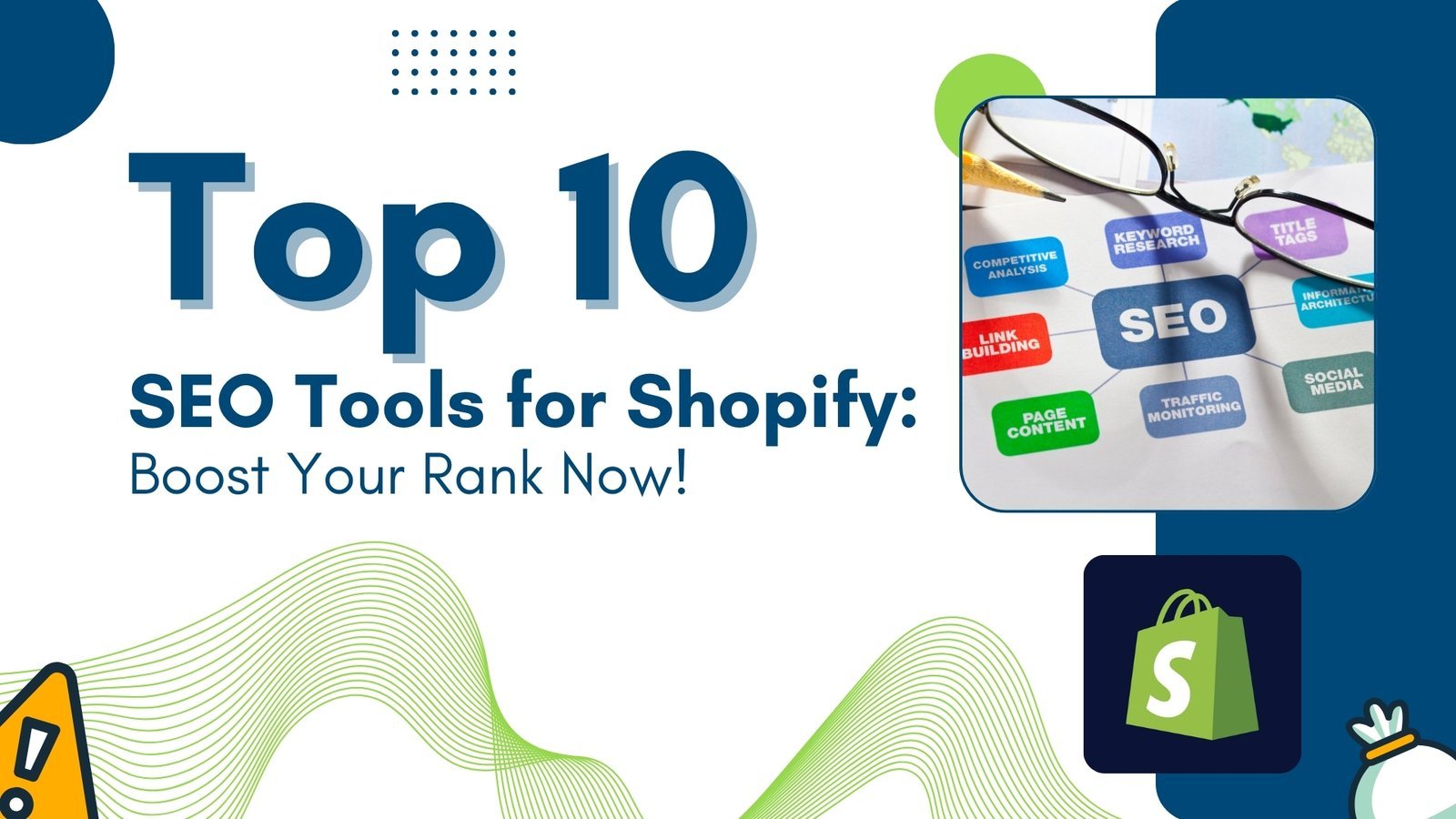
    Shopify Seo Tools

    What is Shopify SEO?

    The term “Shopify SEO” describes the several tactics and methods used to raise a Shopify store’s exposure and ranking in search engine results.

    Why is Shopify SEO important?

    Consider SEO on Shopify to be your own digital billboard, only much more advanced. When customers look for things you sell, it’s a good method to appear on search engine result pages. You may put your products in front of potential customers by increasing the visibility of your store with Shopify SEO.

    In order to increase organic traffic, it entails optimizing your site’s structure, product descriptions, meta tags, and other elements. In essence, a solid Shopify SEO plan can help your store become more well-known and increase sales. 

    Best Shopify SEO Tools to Boost Your Store’s Visibility in 2025

    The best Shopify SEO tools from various app categories are listed below. We go over each Shopify SEO tool’s functions, features, and advantages below. The categories we’ll talk about and our recommendations for the top Shopify SEO tools in each are as follows:

    1. Magical XML/Sitemap: Sitemap management tool

    By organizing your website so that search engine robots can efficiently crawl and index your content, sitemaps help you rank higher in search results. They inform search engines about the most significant pages on your website, when they were last updated, whether or not you have pages in different languages, and other important details.

    Additionally, sitemaps make it easier for people to browse your website, which increases page views and raises your rankings. If your website has a lot of information, is brand-new, contains a lot of rich media content, or appears in search engine news tabs, having a sitemap becomes even more crucial. Because sitemaps can only contain 50,000 URLs, you might need more than one sitemap to index all of the material in your large e-commerce store.

    One of the best Shopify SEO tools is Magical XML/HTML Sitemap, which enables you to create and publish personalized sitemaps automatically. This application links your XML sitemap to Google, directing Google’s web crawler, and creates sitemaps in HTML, assisting human users. You can make rules for showing new material and alter the look and feel of your HTML sitemap. 
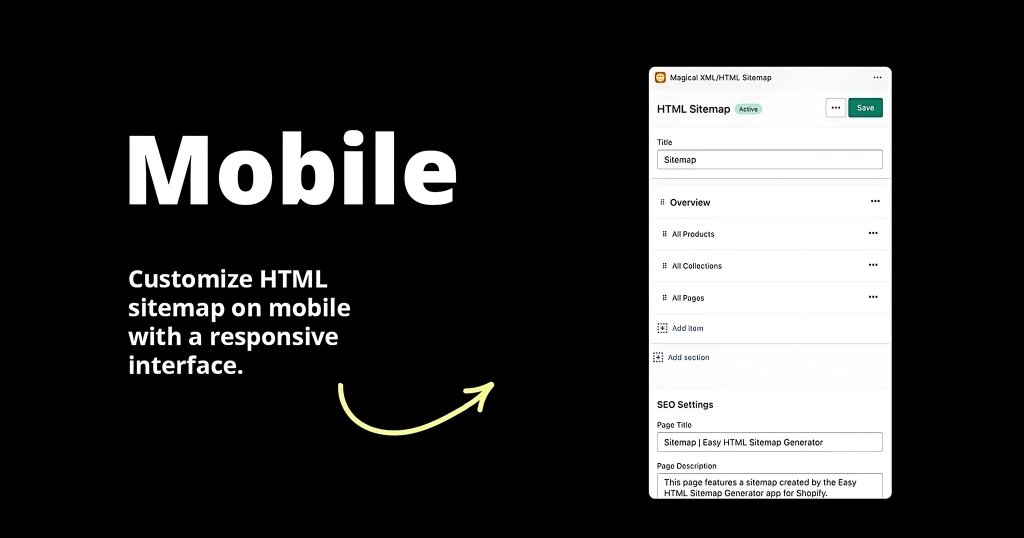
    HTML Siemap

    2. Bloggle – The Complete Blog Builder

    Bloggle was designed to get around Shopify’s built-in drawbacks. After operating a Shopify business for five years, we created Bloggle as a tool to satisfy the needs of our clients. It is ideal for solo entrepreneurs, beginners, SMBs, and large companies looking to improve their online store’s visibility, drive traffic, and optimize performance for better search engine rankings.

    Features:

    1. SEO as-you-type analyzer: An intuitive real-time scoring system.
    2. Drag-and-Drop Editor: A drag-and-drop editor improves the time spent on your blog and the experience of readers.
    3. Optimized Image and File Sizes: Make sure your blog loads fast.
    4. Product Embedding: Makes it simple to incorporate products into your blogs.
    5. Adaptable Blog Category Design: Command over search and navigation features.

    Strengths:

    • Adopted by thousands of Shopify merchants
    • Specifically designed to meet Shopify’s unique needs
    • All-in-one solution for managing and optimizing Shopify blogs
    • Includes an SEO scoring tool to track performance
    • Offers excellent customer support

    Weaknesses:

    • Dedicated solely to blogging, limiting broader SEO functionality
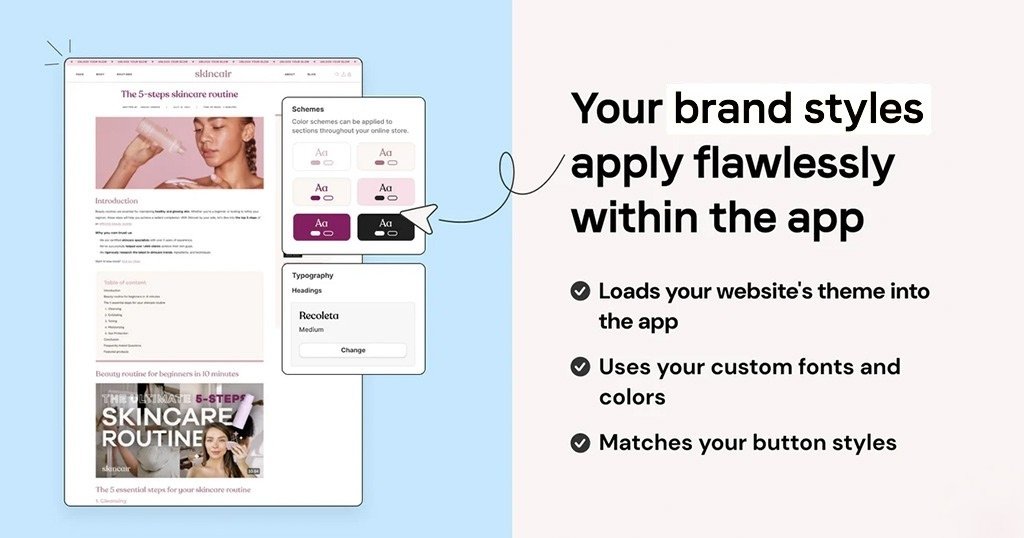
    Blog Creation

    3. Plugin SEO: SEO optimization tool

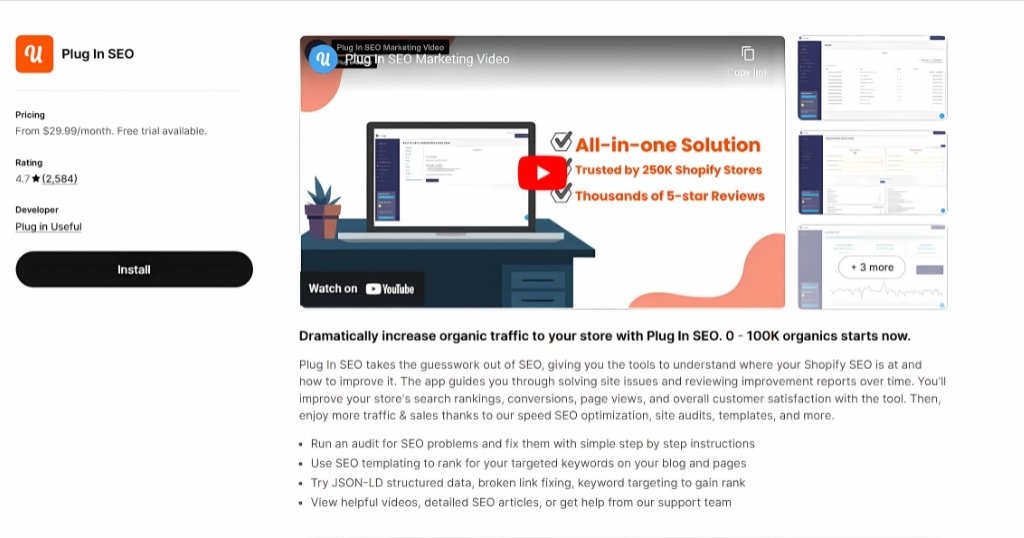
    Plug In SEO gives you automated tools to assess how well your site performs in search results, pinpoint areas that need work, and put those fixes into action. Following an audit, it offers detailed recommendations on how to address any issues found on your website.

    Included with premium packages are tools for: Utilizing keywords in the titles and descriptions of your pages. fixing damaged links that may prevent indexing by search engines. JSON-LD (JavaScript Object Notation for Linked Data) is a method for organizing data on your website that tags information to facilitate search engine crawling.
    Plugin SEO

    4.TapitaSEO – The New Contender Destined for Future Impact

    The developers of the Tapita page builders have introduced TapitaSEO, one of the newest products in the SEO app market. Despite only being released in March 2023, the app has already received over a thousand reviews. With this strong start, TapitaSEO is positioned as a rising competitor in the SEO app market, suggesting that it will continue to expand. It is ideal for solo entrepreneurs, beginners, SMBs, and large companies looking to improve their online store’s visibility, drive traffic, and optimize performance for better search engine rankings.

    Features

    • Page Speed Optimizer: Improve the loading times of your website with the help of the Page Speed Optimizer.
    • Track and Correct SEO Errors: Pay attention to and fix SEO problems.
    • Google Search Console integration: Improve SEO management by integrating seamlessly with Google’s suite. 

    Strengths

    • A comprehensive audit that enables the user to view issues on a page-by-page basis or in summary.
    • The page speed increase is good.
    • Simple to setup and operate
    • Google integration
    • The application doesn’t update themes with code. 

    Weaknesses

    • The cost is more than anticipated.
    • Meta titles and descriptions are not automatically generated.
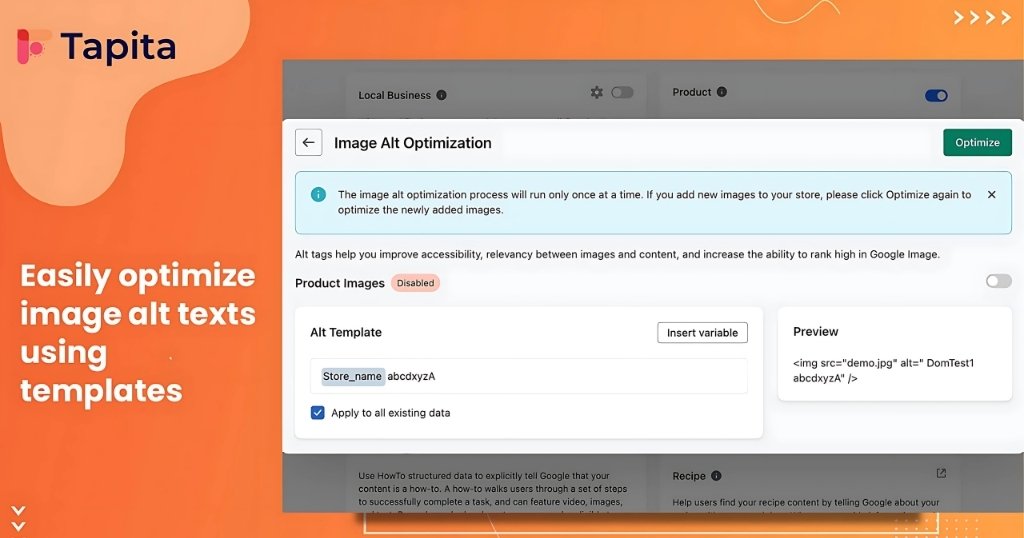
    Tapita SEO

    5. SEO Manager: SEO management automation tool

    Search engine optimization has a lot of variables. It can take a lot of time to manually keep track of them all, and it’s simple to overlook something.

    Shopify webmasters may automate their essential search engine optimization processes with the aid of SEO Managers. It offers:

    • Assessments of your entire website’s SEO performance in real time, including with suggestions for improvement.
    • Google Analytics and Trends are integrated to assist you in finding keywords.
    • Templates for automatically creating descriptions, titles, and alt-text descriptions for your images.
    • Schema structured data markup is automatically added to your website to aid search engine web crawlers in more effectively indexing it.
    • Repairs for 404 “page not found” issues that can prevent search engine indexing can be made in real time, and repair data can be imported, managed, and tracked.

    Shopify store owners of all sizes will find SEO Manager to be user-friendly and simple to deploy.
    SEO Manager

    6. Avada SEO & Image Optimizer – An Ideal Starting Point for Beginners

    Avada SEO has made a name for itself in the Shopify search engine optimization plugin market. It has received more than 5,000 reviews in just three years of operation, indicating that Shopify store owners favor it. It is perfect for novices, SMBs, major corporations, and single entrepreneurs that want to increase the visibility of their online store, increase traffic, and optimize performance for higher search engine rankings.

    Features

    • SEO Summary Dashboard: A single screen that summarizes all of your SEO requirements.
    • SEO Scoring: Assess each of your pages’ SEO.
    • Picture Optimization: For improved performance, enhance your picture assets.
    • Track 404 Pages: Monitor broken links.
    • SEO Academy: A beginner’s tutorial to SEO fundamentals.

    Strengths

    • Connectivity with third-party technologies, such as Google Search Console
    • Interface that is easy to use
    • Gives a summary of all the unfixed issues.
    • Especially beneficial for beginners.

    Weaknesses

    • Fewer automated processes than rivals
    • The theme has been updated, impacting the website as a whole. 11 other code files were added as well.
    Speed Image Optimizer

    7. SearchPie: SEO page booster and page speed optimization tool

    While adding new functionality, SearchPie incorporates many of the features of some of the earlier SEO tools. Its main goals are to speed up site loading and enhance local search visibility and results. It provides:

    • Up-to-date SEO performance reports.
    • Changing alt tags, meta descriptions, and meta titles in bulk.
    • Page loading speed by picture compression, the usage of the fast-loading AMP HTML framework, and “instant page” preloading of pages before users click on them.
    • Long URLs and 404 failures that can impede loading and indexing are automatically detected and navigated.
    • Rich snippets that are automatically generated Structured data markup in JSON-LD for effective indexing by web crawlers.
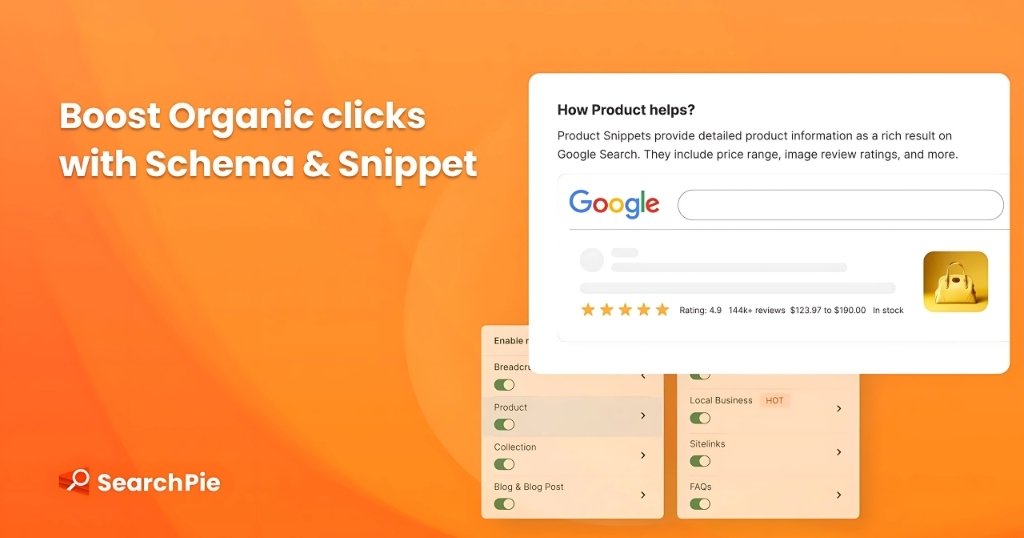
    SearchPie

    8. Smart SEO – The Challenger with a Backlinks Edge

    Smart SEO has been challenging the status quo in the SEO landscape since its inception in 2015. With over a thousand reviews, it’s clear that this tool has found its audience among many Shopify merchants. For newcomers, SMBs, big businesses, and single entrepreneurs looking to raise awareness of their online store, boost traffic, and maximize performance for better search engine results, it is ideal. 

    Features

    • Image Optimization: Improves the looks of your store.
    • Page Speed: Keeps your site working as it should.
    • JSON-LD Structured Data: Neatly arranges your information.
    • Broken Links Monitor: Keeps an eye out for any broken connections.
    • Meta Scoring Tool: Reviews your meta descriptions and titles. 

    Strengths

    • Request permission before changing anything. one-click deletion
    • Investigations backlinks
    • Simple to set up and operate

    Weaknesses

    • Not any automated capabilities
    • Not scoring for the primary material (descriptions)
    • Not any connection with Google Search Console
    • Possibly oversimplified, lacking essential elements and SEO checks
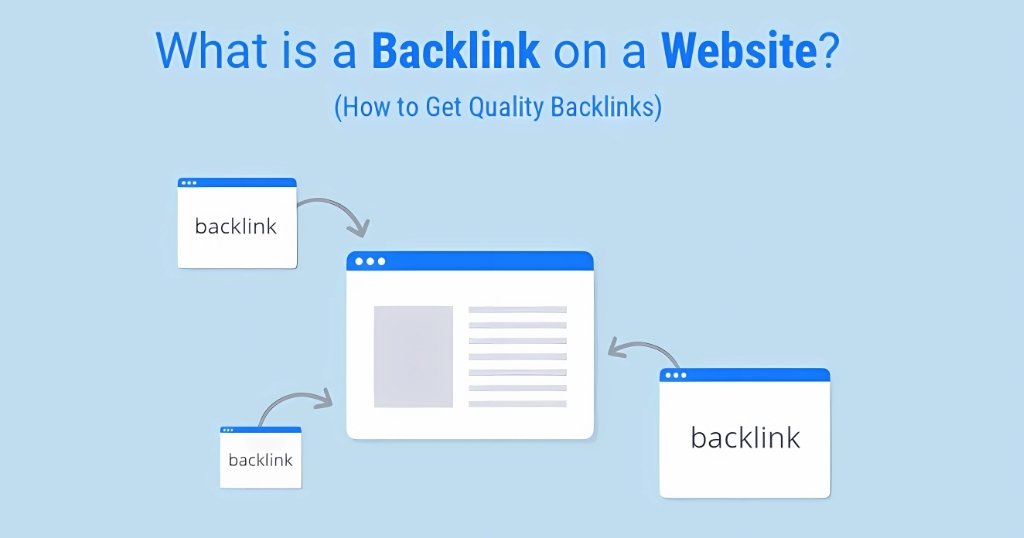
    Backlink

    9. Google Search Console

    Google Search Console lets you keep an eye on and preserve the presence of your website in Google Search results as a free service from Google. It helps one to better grasp Google’s and users’ perspective on your website.

    This tool assists you in:

    • URL examination to verify certain page crawl, index, and distribution characteristics.
    • Performance reports for monitoring website activity.
    • Coverage reports help to find indexed pages and crawl mistakes.
    • Individual URLs entered for indexing and sitemaps.
    • Measure the mobile friendliness of your site with the Mobile Usability Report.
    • Core Web Vitals reports for evaluating user experience on your website.
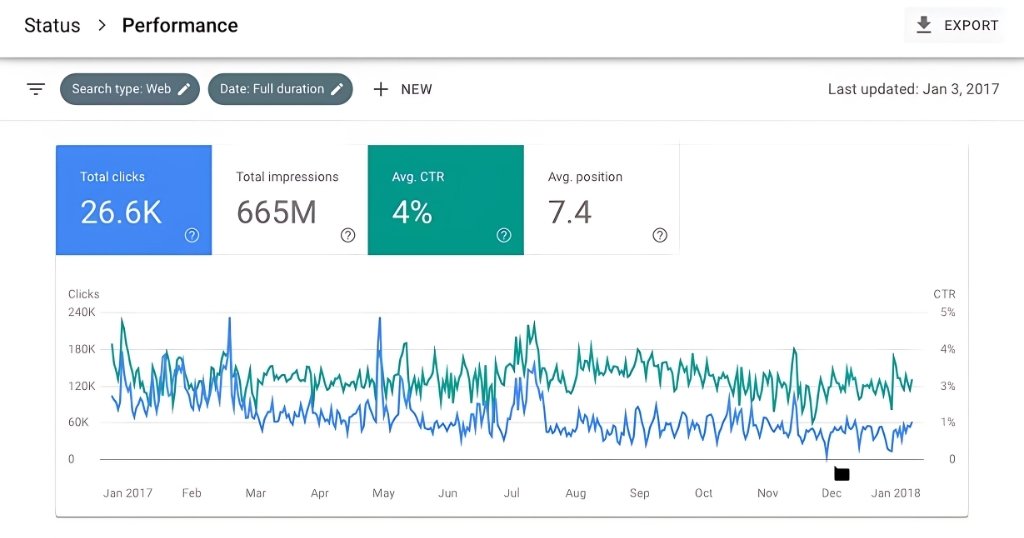
    Google Search Console

     10. Google Keyword Planner

    Shopify store owners trying to produce SEO-friendly material and attract a bigger audience may find great value in Google Keyword Planner. This tool will let you accomplish the following:

    • Research and discovery of keywords assist you find fresh, pertinent keyword recommendations for your ads and material.
    • Keyword metrics offer information on keyword search frequency as well as general degree of competition.
    • Find patterns in keyword search volume over time. 
    • Get bid estimates for every keyword to properly control ad expenses.
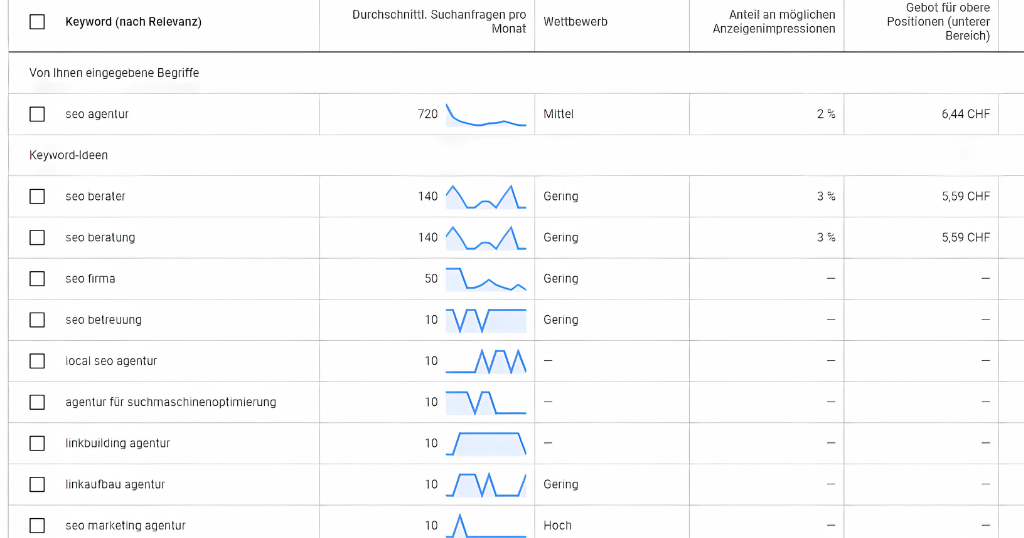
    Google Keyword Planner

    Conclusion

    While your particular requirements will determine the finest SEO tool for Shopify, these Shopify search engine optimization tools stand out for its user-friendly interface, extensive capabilities, and capacity to help both novices and advanced users effectively maximize their stores.

    It provides thorough understanding of topics such page titles, meta descriptions, and alt text, as well as automated SEO audits and improvement suggestions. The best option will ultimately rely on your requirement for particular features for blogging, content, or store-wide SEO optimization or an all-in-one solution. 
    FAQs

    1. Does Shopify provide built-in SEO?
    Search engine optimization tools incorporated within Shopify help you maximize your website. To stop duplicate pages, automatic SEO tools include title tags, canonical tags, sitemap.xml and robots.txt files, all generated by themselves. Editing picture alt text, meta descriptions, title tags, and URLs helps you additionally maximize content.
    2. Which free SEO tool best fits Shopify?
    Because TinyIMG provides 50 monthly optimizations, alt and file optimization, quick speed-up, 30-day backups, and even 24/7 support, it is the greatest free SEO app available for Shopify. Two more excellent free Shopify choices for SEO are Smart SEO and Booster SEO.
    3. Does SEO benefit from Shopify product tags?
    Indeed, careful usage of product tags will enable search engines such as Google to better grasp your site navigation and product categories. Remember, though, improper use of product tags could result in duplicate material.
    4. How could one find Shopify’s SEO ranking?
    Changing a Product URL in Shopify requires following actions: Though Shopify does not provide direct SEO ranking information, Google Search Console (GSC) lets you view your ranking for free. Just arrange GSC for your store and visit Search results > Performance. Your website ranks vary for different searches; choose one to view the average position in Google search results.
  • Is Shopify Good for SEO?

    Is Shopify Good for SEO?

    Shopify is among the most popular e-commerce platforms, in my opinion. It’s not necessary for you to believe me. Take a look at the statistics.

    A lot of small businesses are powered by Shopify. In recent years, Shopify has expanded by 201.53% and now has over two million stores worldwide. Prominent businesses have also placed their trust in it; Pepsi and Tesla, for example, use Shopify to get and maintain their online presence. 

    Are you eager to use Shopify to develop an online store? It’s essential to review the platform’s SEO (Search Engine Optimization) features one more time before starting. Make sure they align with the long-term objectives of your company and will help your website rank highly in search engines like Google.

    I’ll go over Shopify’s top tools, how to utilize them, and where they fall short in order to assist you determine how useful its SEO capabilities could be for your online store. Below, let’s get started.

    Let’s Begin with the Basics of SEO?

    Many individuals start their online search by using a search engine like Google or Bing. A ranked list of results for a certain search query is produced by search engines using a range of data from websites. The websites that are most likely to be relevant to the search query are identified by search engines, which then rank the results according to relevancy.

    Your online store may rank higher in search results for a variety of reasons:

    • The quantity of organic (non-sponsored or social media) links from other websites that lead to your store.
    • The website’s authority is based on activity and additional variables.
    • The age of your domain name, search engine-optimized content, and website structure.
    • It can be challenging to address the first three issues when you are just starting out in internet sales. Getting other websites to link to yours and establishing a reputation for your brand take time. With your content strategy, you can make long-term plans.

    Optimizing your content so that a search engine finds it relevant to product-related inquiries is the simplest approach to increase traffic to your online store in the short term. This is what SEO stands for.

    You can use apps from the Shopify App store to examine the SEO of your online store. 

    Now let’s discuss how to improve the SEO to succeed on Shopify Platform.

    Improving your SEO

    There are several simple actions you can do to make your online store search engine optimized:

    1. Look for terms that are associated with your brand and your items. What search terms are available for customers to locate your store?
    2. Include the keywords in all of your content, including image alt text, page titles, and descriptions.
    3. Verify that the file names and URLs you use correspond to the content.
    4. Add your entire domain to Google Search Console (for instance, https://www.your-shopify-domain.com/sitemap.xml) so that your online store’s website can be efficiently searched and indexed.
    5. Encourage other websites to link back to your online business by producing material that is pertinent to your merchandise.
    6. Each of these processes is covered in further detail in the other articles in this section. 
    Shopify SEO Advantages & Disadvantages
    AdvantagesDisadvantages
    Basic SEO is already included:
    You won’t have to worry about optimizing your website yourself if you’re a novice in SEO. The majority of your store’s SEO, such as its meta titles and canonical tags, is automatically generated by Shopify.
    Not suitable for advanced SEO:
    If you want to make complex code modifications to your website, Shopify isn’t the ideal SEO platform. For instance, you cannot manually update the sitemap of your website to correct or eliminate faulty links.
    SEO features several languages: Shopify’s SEO can optimize your website for searches in multiple languages by creating hreflang tags for you if you sell goods in other countries.Over-reliance on applications is possible:
    You may need to download multiple applications for your store in order to get additional SEO tools. On the other hand, installing too many apps may cause your website to lag or make it more difficult to monitor your SEO data.
    Integrate with other systems: Shopify also enables you to link your store to other platforms, such Google Analytics 4 and Semrush’s ecommerce booster, that can assist you in tracking the SEO of your website more thoroughly.

    Shopify’s Key SEO Features

    Now that I’ve covered Shopify’s SEO advantages, let’s look at its SEO features. I’ve highlighted the most crucial Shopify SEO features below:

    1. HTTPS (SSL) encryption

    SSL (Secure Sockets Layer), a crucial component of website security, is included with all Shopify stores. By encrypting data exchanged between a browser and the server of your website, an SSL certificate keeps hackers from gaining access to sensitive data, such as credit card numbers.

    Your website’s SEO may suffer if SSL encryption isn’t installed because search engines frequently punish sites without this extra security. When a Shopify website is secure, you can tell because the URL will start with “HTTPS” rather than “HTTP.”

    2. Robots.txt

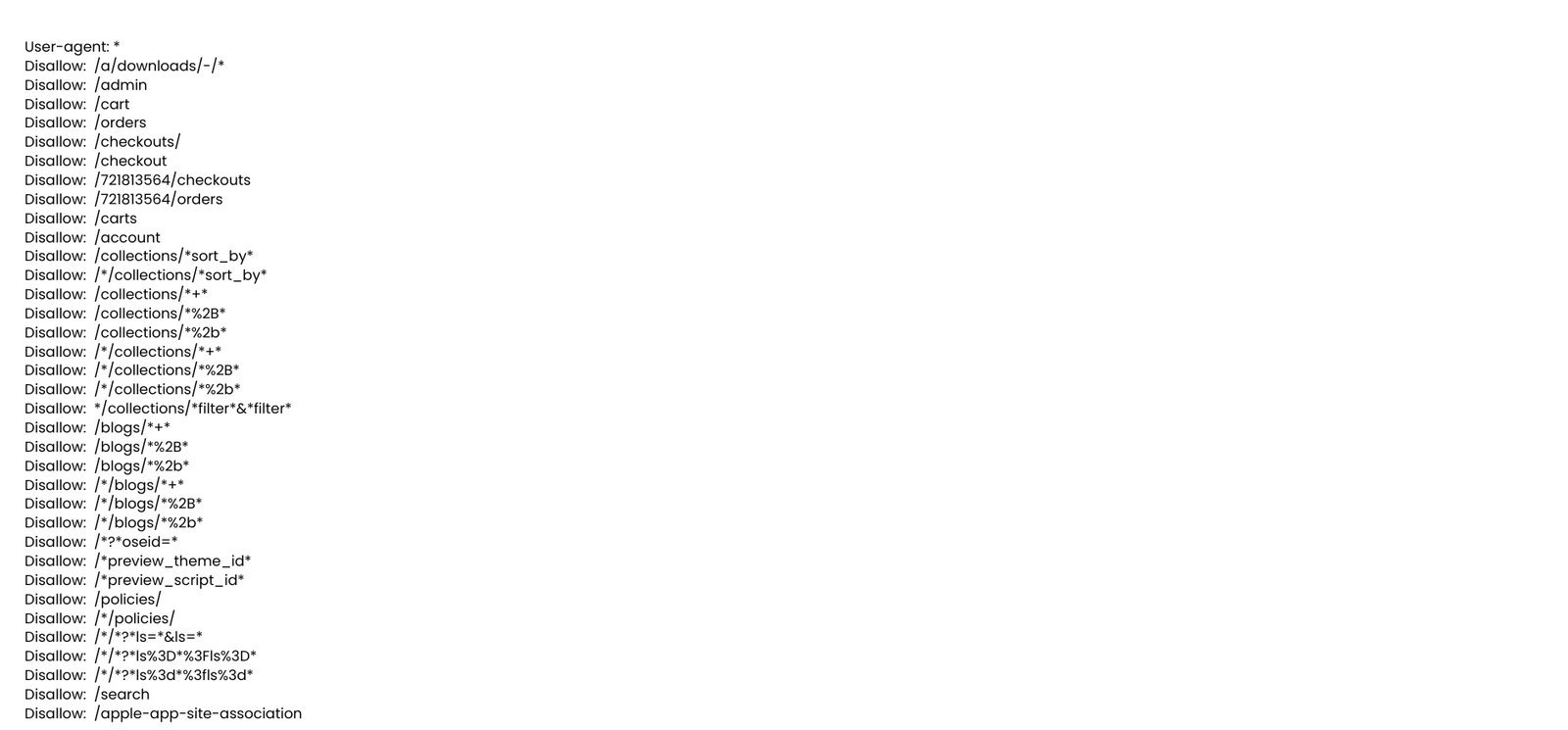
    Without robots.txt, Google wouldn’t be able to find your Shopify Store and all of its pages. This file enables Google’s bots to retrieve various web page URLs and index them in search results. Fortunately, a default robots.txt file is included with every Shopify site, so you won’t have to add one yourself.

    Robots.txt

    3. Sitemaps

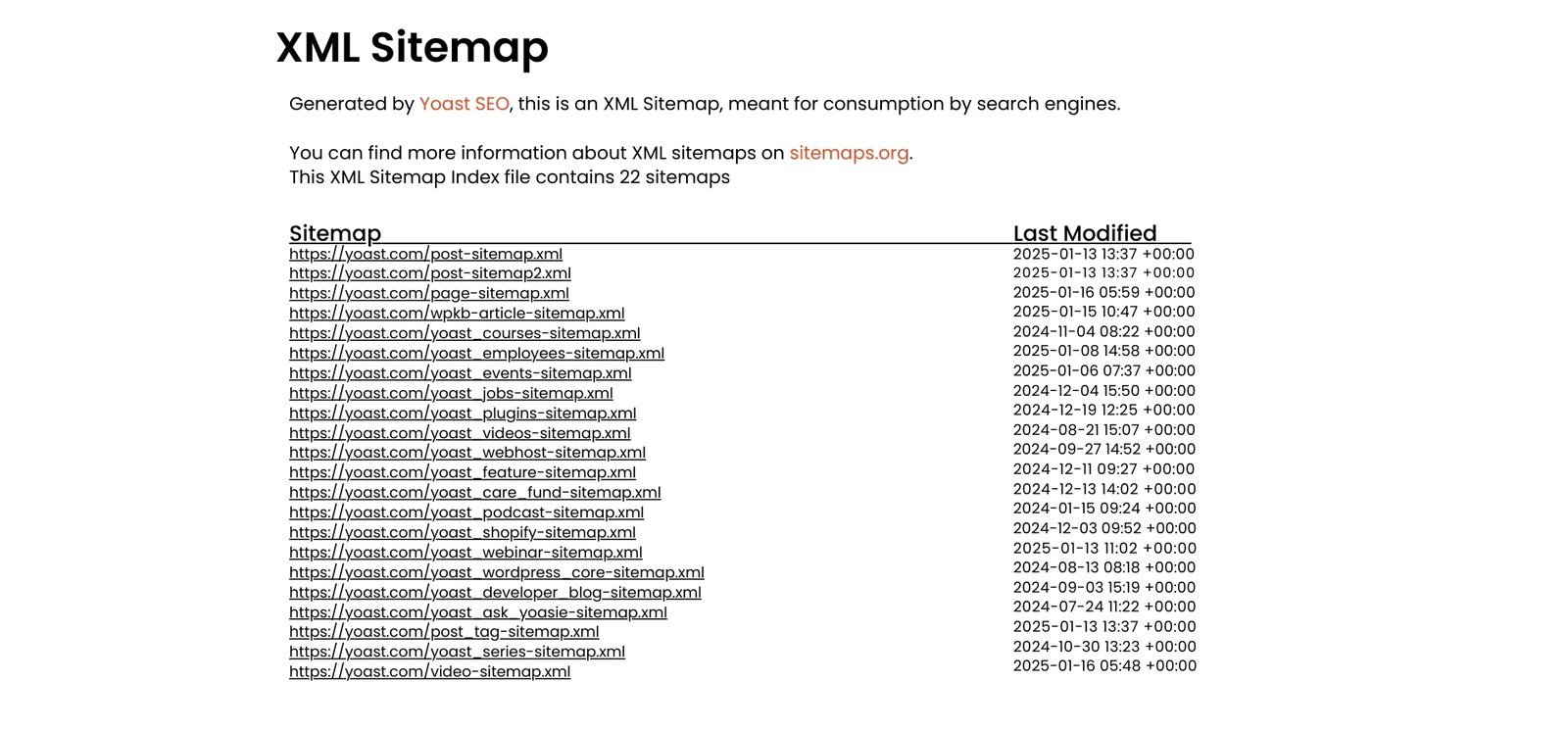
    The sitemap, which is a list of all the pages in your store (such as product pages and blog articles) and their structure, is created automatically for you by Shopify. Search engines like Google benefit from these sitemaps since they utilize them to crawl and index the content of your website.

    The main drawback of Shopify’s sitemaps, meanwhile, is that they are difficult to modify. For example, you cannot amend your sitemap by hand to fix a faulty URL that has to be updated on your website.

    If you have a small online business with a few important pages, this is acceptable, but as your store grows, it may become an issue. This lack of control over your sitemaps may irritate you if you have a huge website that is divided into several subsections.

    Sitemaps.xml

    4. Integrated Data

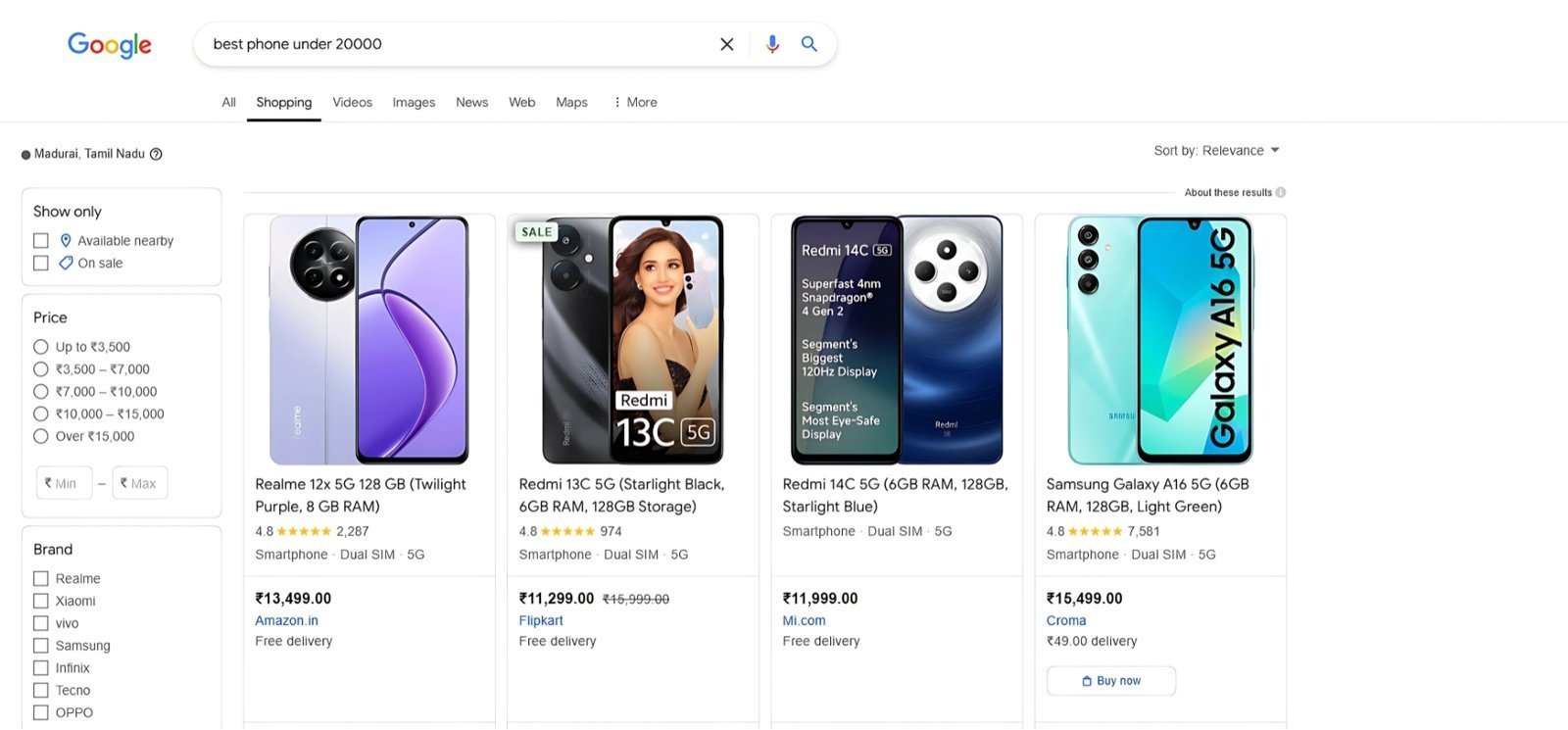
    Search engines utilize structured data, which is code, to comprehend the content of a page and make it easier to view on results pages. One example of structured data would be if a product page included a star rating ranging from one to five. Google might also display this star rating in the search results!

    The majority of Shopify themes support basic structured data, which allows Google to identify important features like a product’s name, price, and description and present them in search results.

    However, you will need to manually alter the code of your website or acquire a Shopify software like JSON-LD Express if you need to make more complex changes, such as adding structured data for search in your FAQ or changing product details for accuracy. I advise engaging a professional for this as it might be a lengthy and difficult process.

     Integrated Data

    5. Canonical Tags

    Shopify creates canonical tags for you automatically to stop duplicate content from showing up on your website and affecting your page rankings. These tags ensure that any search rankings are given credit to the original pages solely by alerting search engines when a page is a copy of another page.

    6. Optimized Website Speeds

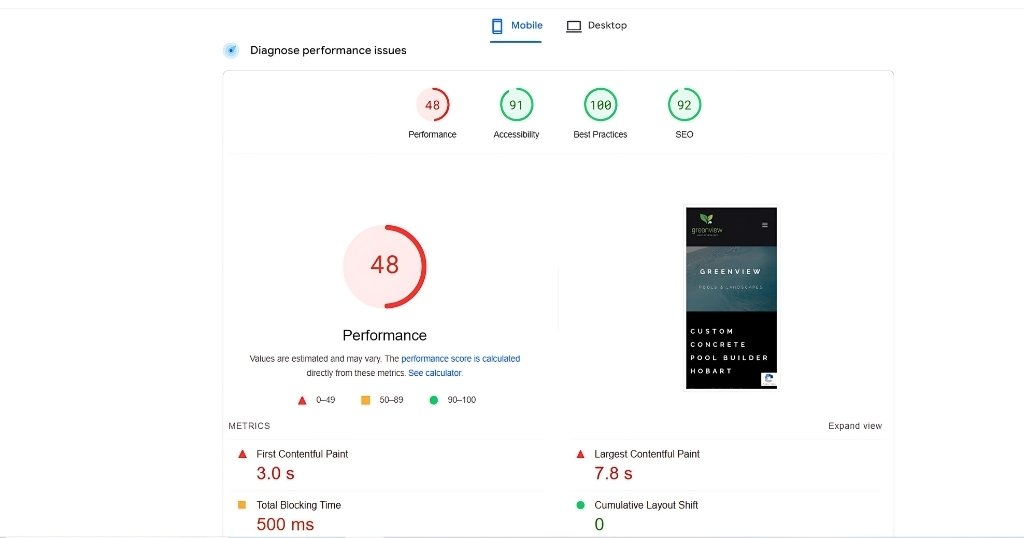
    Slow loading times might harm your website’s SEO, according to Google’s Core Web Vitals. In actuality, websites that show up in Google search results typically have a fast page load time of 1.65 seconds.

    You may check your load times on Shopify’s dashboard if you’re worried about how quickly your website loads. I could observe how quickly my website loaded by:

    I’m navigating to my dashboard’s metrics area.

    1. Selecting “Reports.”
    2. Locating the “Web Performance” measure and choosing it.
    3. I could then see important performance indicators for my website from this page, like its Largest Contentful Paint score, which measures how long it takes for a page’s largest content to load, and its Interaction to Next Paint score, which measures how responsive an interface is when a user clicks on it for the first time.

    Shopify will provide you recommendations on how to enhance the performance of your website if it loads slowly. On the dashboard, I saw helpful tips like optimizing my store’s images and removing unnecessary apps. 

    7. Optimized Images

    The speed at which your website loads is also greatly influenced by image optimization. In order to assist speed up your online store, Shopify uses its Content Delivery Network to automatically reduce file sizes and identify the optimum file formats for your pictures.

    8. Mobile-First interface

    The significance of mobile-first design is another essential component of Google’s Core Web Vitals, and it can also affect how customers engage with your Shopify business. If the first website a user clicks on isn’t mobile-friendly, 79% of users return to the search results page.

    The majority of Shopify’s themes may be altered in mobile view and are generally responsive to mobile devices. It’s important to keep in mind, though, that certain themes work better on mobile devices than others. Before deciding on a Shopify theme, I advise experimenting with a few to make sure they look fantastic and are completely responsive on both desktop and mobile devices.

    9. Meta Descriptions & Titles

    To help users understand what’s on each of your web pages, your Shopify store’s meta titles and meta descriptions will show up on search engine results pages. Here is a brief definition of each to help you understand:

    • Meta Title: The title of a webpage as it appears in search results is called the meta title.
    • Meta Description: An overview of a web page’s contents is provided by the meta description. 

    10. Custom URLs

    When making changes to your website, you may wish to modify a particular URL to better reflect the content of a page. For instance, compared to example.com/hds73tgha, example.com/article/shopify-seo-review is far more informative. You’re in luck if you want to accomplish this on Shopify because it allows you to make unique URLs for various pages that are optimized for search engines.

    I may change the URL of a page by scrolling down from the same spot where I changed the meta title and meta description. I clicked save to confirm that I was satisfied with the design.

    Is Shopify Good for SEO?

    Shopify is widely regarded as an SEO-friendly platform, providing a number of integrated tools and features that aid in search engine optimization. It’s clear, easy-to-use interface makes it simple to manage sitemaps, URL structures, and meta tags-all of which are crucial for SEO. Additionally, Shopify offers mobile-responsive themes and quick loading times, two crucial ranking elements.

    Apps and plugins, such content marketing tools and image optimization, are also available to improve SEO efforts. Although Shopify facilitates the implementation of SEO fundamentals, the quality of your content, backlinks, and continuous optimization efforts are ultimately what determine success. 

    Final thoughts on Is Shopify Any Good for SEO

    With built-in capabilities like automatic sitemap updates and quick page speeds-two important elements for rankings-Shopify offers a strong basis for SEO. The software lets you quickly change important shop components to match SEO best standards. Using Shopify by itself, however, does not ensure top results on search engines. Remember that Shopify is only a tool-success in SEO; keyword research, excellent content development, and generating strong backlinks are what will enable your store to flourish in natural search.

  • Powerful Shopify SEO Guide: Boost Your Online Store’s Visibility

    Powerful Shopify SEO Guide: Boost Your Online Store’s Visibility

    This ultimate guide will provide you with essential information on how to find your way through Shopify SEO. Starting from the basic concepts of on-page, off-page SEO and ending with keyword optimization, link building, and such practical tips as a mobile-friendly design. There are specific step by step actions needed and proven strategies discussed to help you get higher visibility for your store, better user experience and even higher conversion.

    We hope that using the tips featured in this shopify SEO guide, you will be able to put your Shopify store ahead of competitors, attract more customers, and leave a solid basis for evolving your business. So without further delays, let me explain how you can get the most out of Shopify SEO basics for your eCommerce business.

    Before starting let’s discuss about What is SEO?

    Search Engine Optimization (SEO) is the process of improving a website’s visibility on search engines like Google. By optimizing content, structure, and technical aspects, SEO helps websites rank higher in search results, making it easier for potential customers to find them. It involves strategies like keyword optimization, link building, and enhancing user experience to drive organic traffic and boost online presence.

    For businesses, SEO is a vital tool to attract the right audience, increase brand visibility, and achieve long-term growth in the competitive digital landscape.

    In the current market of eCommerce, just having your store built with Shopify is not sufficient. For the store to be noticeable and to attract potential customers you need your store to be easily noticeable and easily ranked in such search engines as Google. It is where search engine optimization comes in handy.

    Shopify SEO is the process of working on the current state of a store to curate it, increase the store’s visibility in someone’s browser, and increase sales. If you are a new store owner, or you want to optimize an existing site, being an SEO master is what you need for your online business.

    Shopify SEO Tips

    Learning how to optimize Shopify can speak volumes about your store and ensure you get natural traffic. Pay special attention to titles and descriptions of products and on images, which contain specific keywords. To modify meta descriptions, headlines, and create friendly URLs and page directory structures Shopify pane has options. Ignore not the need to have features that optimise for mobile platforms and sites with a fast loading speed to enhance the rankings.

    Relation between Shopify & SEO

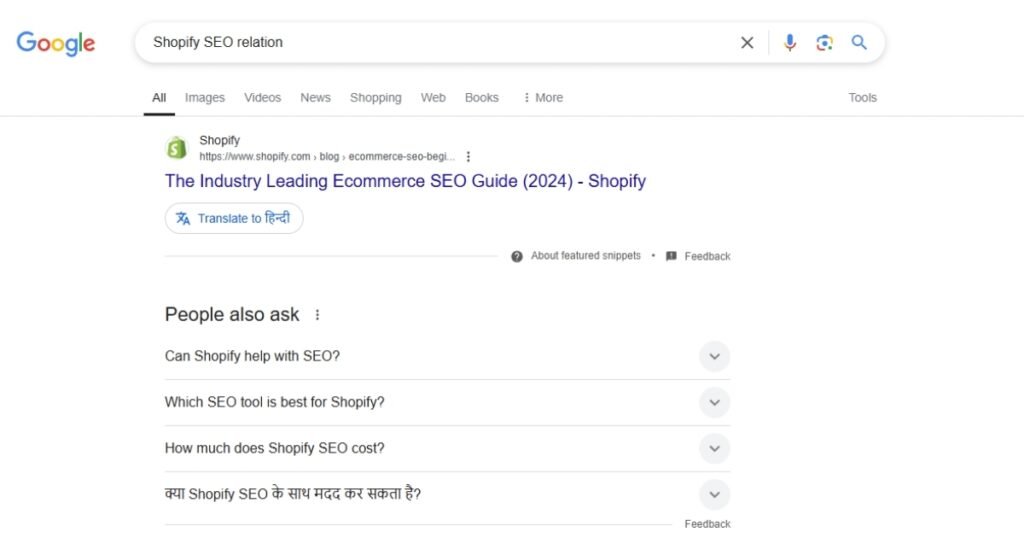
    Relation between Shopify & SEO

    Shopify and SEO are both the best tools that can be used in establishing as well as expansion of the online business. Shopify is an easy to navigate web software created for enhancing the process of building and administering internet-based stores. But having a store is insufficient-this is where I emphasize the importance of SEO.

    The purpose of using SEO for a Shopify store is to enhance the store owner’s websites and rank for organic traffic. Thus, Shopify merchants gain a high ranking for product pages, blogs, and site architecture and make products more available for people.

    In addition, some of the SEO functionalities such as title tags, meta descriptions, and URL management, are integrated into Shopify, which can help ease implementation of SEO services for businesses . Combined with other SEO work, such as keyword analysis, backlinking, and responsive design, which will always be useful anyway, Shopify becomes a powerful tool to attract traffic, increase sales, and build a sustainable business.

    How can your Store Visibility Increase from SEO?

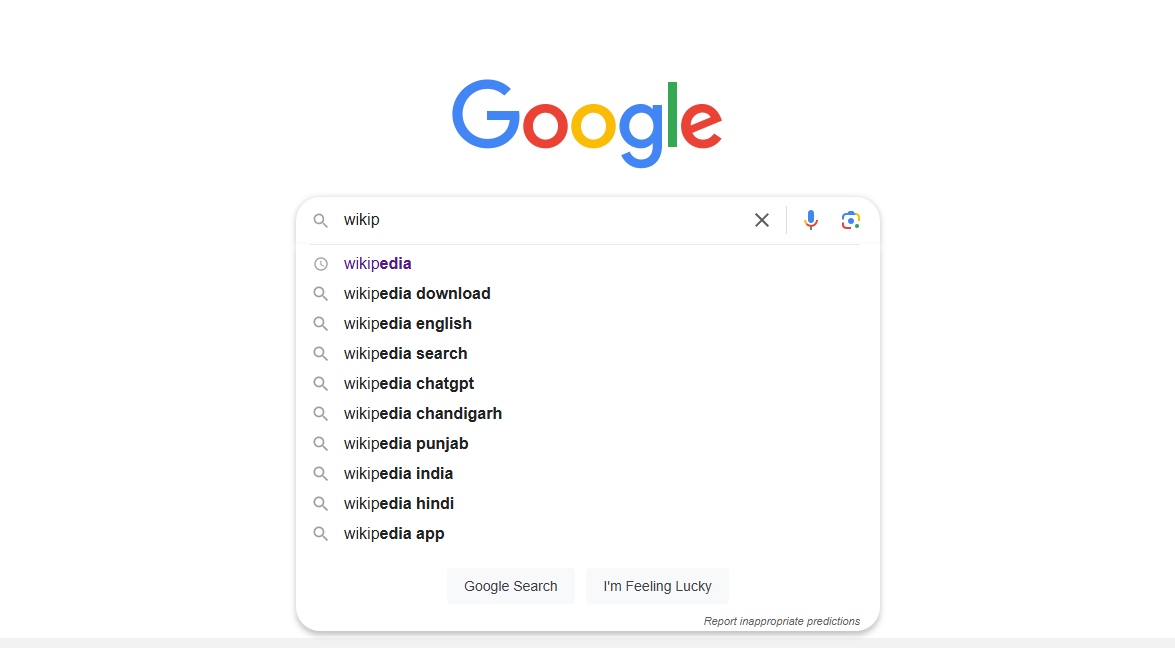
    SEO Makes It Easy for You to Reach the Right Demographic

    Having a list of keywords that fits your industry is a good taste on the SEO tactics for Shopify you should be preparing for. These are the keywords that applied to your promising and current consumers while looking for a product or service online. By including them in your content as naturally as you can, a web page of yours will pop up when the search is made with those target keyword phrases in their search query. 

    For instance if you are a construction business, then including phrases like construction companies near me and general contractors in (insert location here) are phrases that people searching for a construction business will surely find. This leads us to the next benefit.

    SEO Makes It Easy for You to Reach the Right Demographic

    SEO Brings Targeted Traffic to Your Site

    They always have a purpose, and that purpose is to look for something particular when they go online. Often, they search for the business online since they have a desire to purchase or get a service. 

    If they are using the keyword ‘near me’ or their location they are very likely to convert again. With this in mind, a site that is optimized for search engine ranking can be a beacon for these kinds of leads (or prospective customers). 

    SEO Brings Targeted Traffic to Your Site

    SEO Sets You up as an Authoritative Brand

    The first page ranking can build you into a reputable business. According to other search engines, any website that ranks high as Google is considered credible and established and they are also considered to be thought leaders in their marketplace. 

    In case you didn’t know, Google loves to rank fresh, authoritative content and that is why such web pages are ranked on top. The search engine has in mind nothing more than giving its users the best experience possible by directing them to Websites of greatest value. 

    SEO Sets You up as an Authoritative Brand

    SEO forms and Strengthens Brand Image

    This places your website and company name where everyone seeking a similar business to yours will find it online. In short, it aids in raising brand familiarity.

    Increasing brand recognition is one of the greatest objectives of any company regardless of industry and size. All the same, you couldn’t make improvements on the revenue pull without first courting consumer affection and therefore forging an even tighter relationship with them.

    Besides, with link building one is able to have other online sites recommend you to their subscribers and within no time people will be rushing to have a check on you. Even guest posting with such sites can go a long way to improving your overall digital marketing strategy

    SEO forms and Strengthens Brand Image

    SEO Captures Local Searches

    This means that the use of local SEO is the special bet in the direction of the physical store of the potential buyers – customers. To sum this up, appropriate local SEO strategies will help those in the immediate vicinity to locate your store every time they search for your products online. 

    Local SEO is actually very similar to the conventional type of SEO. Both seek to have increased traffic visitors that are qualified and inturn converted to sales.

    Correctly implemented, local SEO increases the traffic to your company website and the store for many businesses. For example, 72% of the local searches that were done lead to a physical visit within 5 miles of the search. But, it did reveal that 80% of local searches on google end up as new leads or customers.

    SEO Keeps You Ahead of the Competition

    We can safely assume that many of your competitors are already together with SEO practitioners to guarantee that they are outcompeting Google, Bing, Yandex, and pretty much any search engine you can name.

    That is most likely, why here it becomes challenging to outcompete them with regards to the ranking. If only you have invested in the search engine optimization before them, the customers that they are fixing to have deserved to be yours. 

    But come on, this shouldn’t deter you from trying even harder. So then, they are doing well for themselves but that doesn’t mean you could not take their places anymore. 

    SEO Keeps You Ahead of the Competition

    If you run an online store, an effective site presence is crucial, and an essential establishment can be a Shopify SEO guide. SEO Onsite helps your store to rank on top of the search engines bringing in the traffic to your site and potential customers. SEO comprises optimizing product pages, keywords and site design, where necessary. Shopify’s user interface and functionalities provide even new users with an opportunity to perform proper SEO.

    Mastering Shopify SEO Basics

    Thus, learning the basics of SEO in Shopify is the first stage of getting a better presence. First, it is possible to know the terms that your audience uses and ensure that the business uses them in its product titles, meta descriptions, and image alt texts. 

    Having used Shopify I realized that this platform is indeed very easy to manage and edit URLS using a logical structure that will impress any search engine. Relatively fast loading speed and optimisation for devices across the mobile platform are also crucial aspects of ranking.

    Secrets of Keyword Optimization in Shopify

    To remain competitive in the specific area of e-commerce use advanced SEO strategies for Shopify. Writing high-quality blog posts, guides and product tutorials for example will help in gaining that much-needed authority. Internal linking is helpful in ensuring people stay longer on the site, as well as enhancing easy means of moving within the website.

    Schema markup is another very effective strategy and makes your product in the search engines with a rich snippet. Follow up your performance by using the analytical tools available in Shopify to see where you can improve.

    This Shopify SEO guide, learning the foundational concepts of Shopify SEO, and applying the most useful Shopify SEO strategy can improve your store. If you persist and keep pushing in your endeavours not only will you gain more customers but establish a good successful business that will earn you profit.

    Conclusion

    SEO for Shopify store, The basics because SEO plays such a critical role in the advertising success of an online store, it is vital to understand its principles if you own a Shopify store.

    In combination with strict adherence to recommendations mentioned in our overall shopify SEO guide, using specific shopify SEO tips will help to attract the necessary organic traffic and improve online performance. 

    First, it is recommended to cover the basics of shopify SEO and work your way up from basic product page optimisation, meta description and URL optimisation, heading tags optimisation, internal linking and schema markup.

    You will attract more sales today and in the future since SEO is consistent hence helping you establish a solid e-commerce business in a competitive world.