






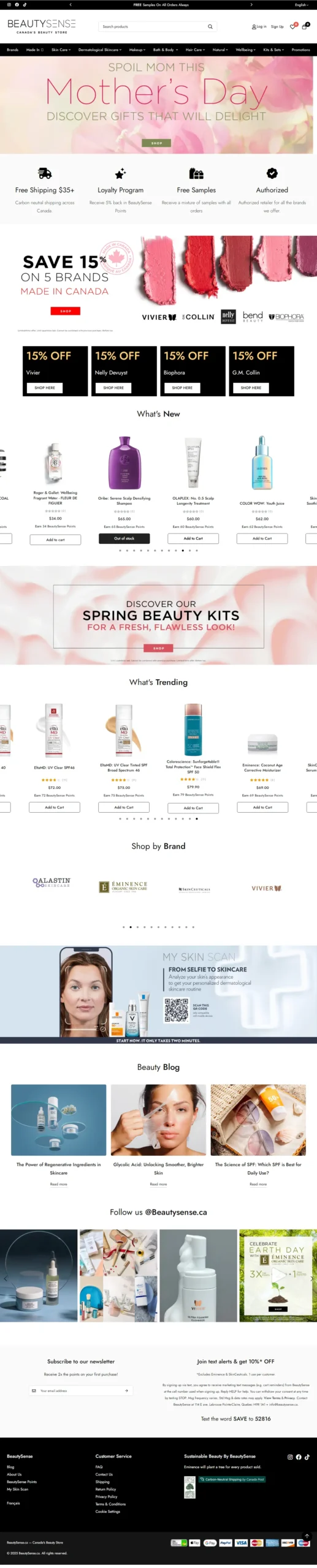
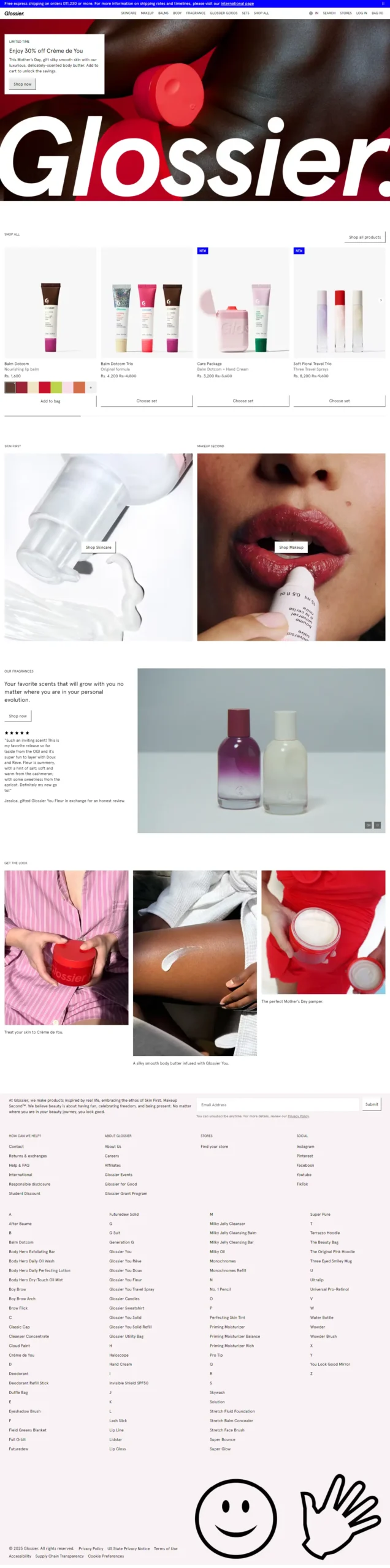
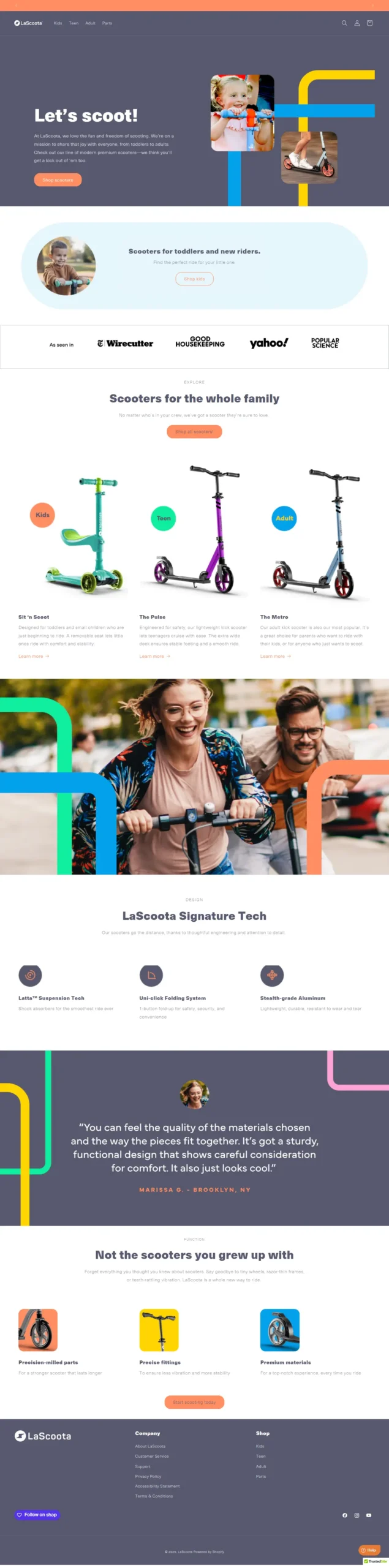


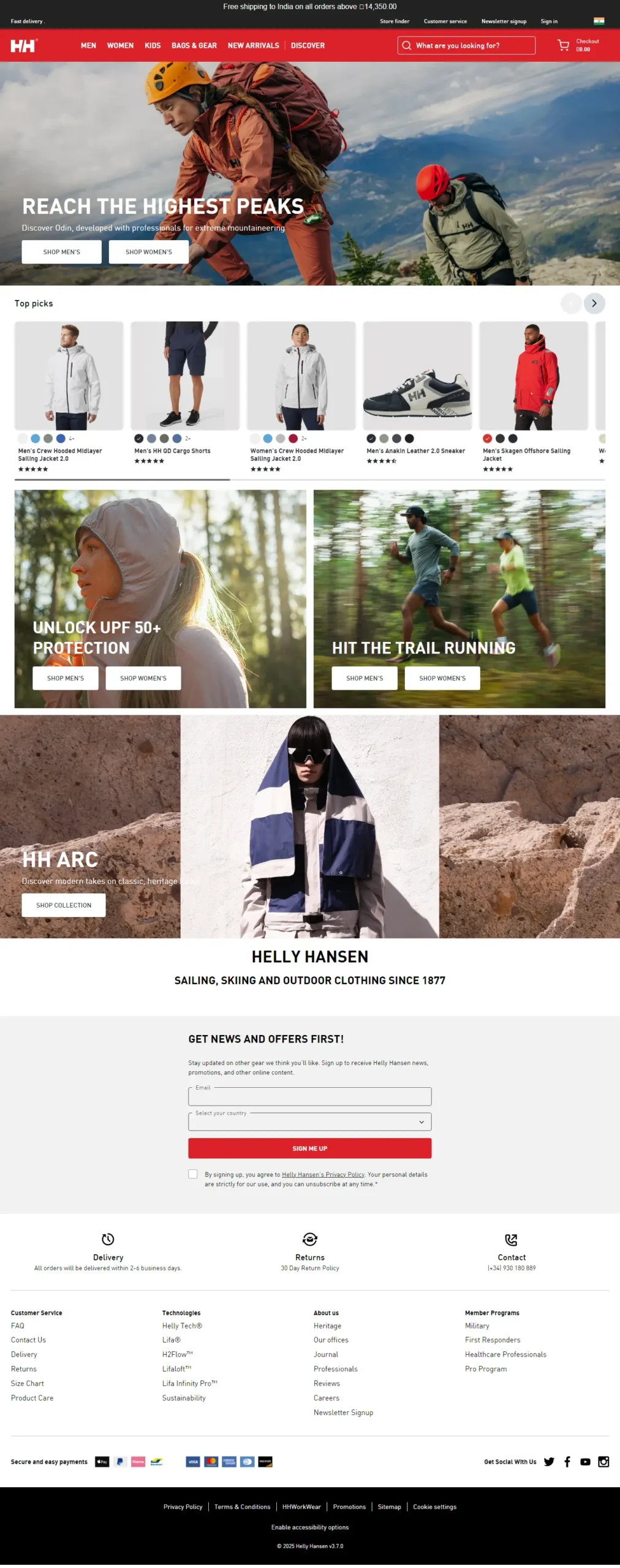
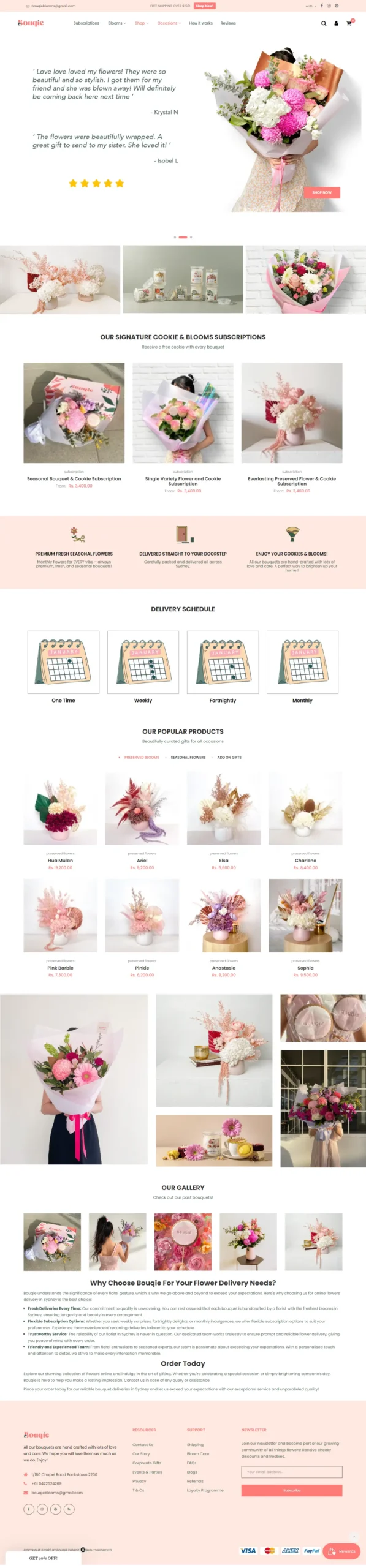
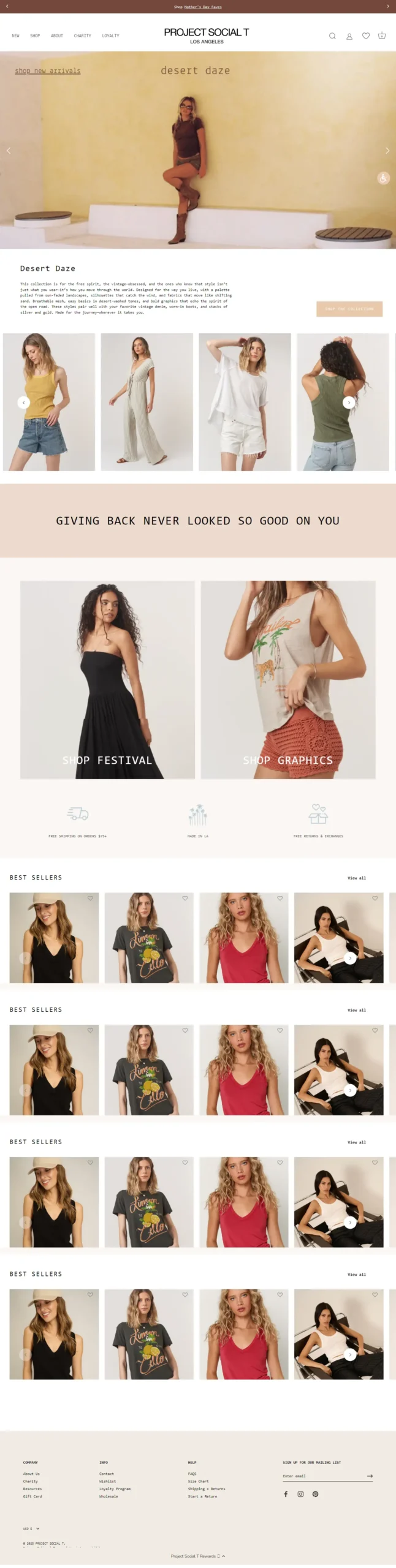
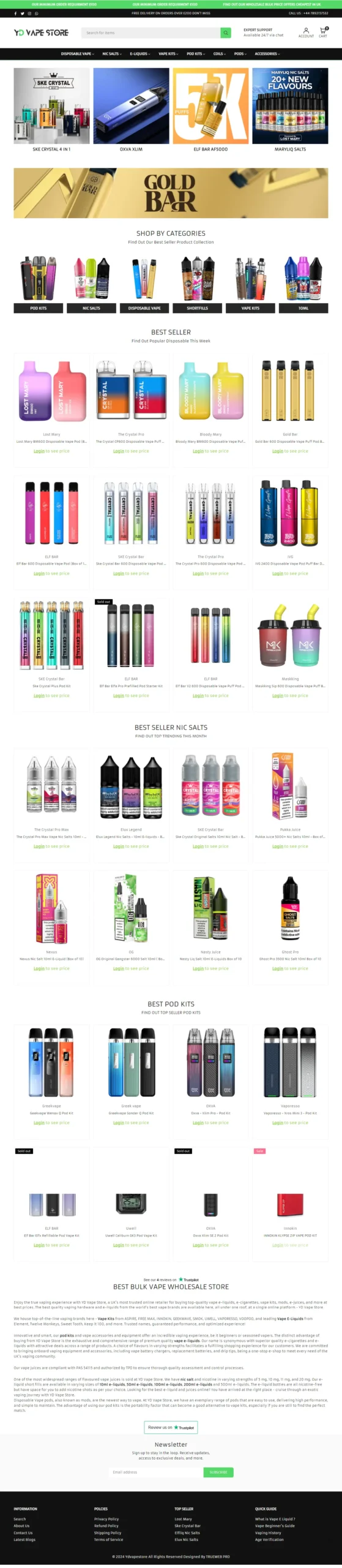











Shopify is among the most popular e-commerce platforms, in my opinion. It’s not necessary for you to believe me. Take a look at the statistics.
A lot of small businesses are powered by Shopify. In recent years, Shopify has expanded by 201.53% and now has over two million stores worldwide. Prominent businesses have also placed their trust in it; Pepsi and Tesla, for example, use Shopify to get and maintain their online presence.
Are you eager to use Shopify to develop an online store? It’s essential to review the platform’s SEO (Search Engine Optimization) features one more time before starting. Make sure they align with the long-term objectives of your company and will help your website rank highly in search engines like Google.
I’ll go over Shopify’s top tools, how to utilize them, and where they fall short in order to assist you determine how useful its SEO capabilities could be for your online store. Below, let’s get started.
Let’s Begin with the Basics of SEO?
Many individuals start their online search by using a search engine like Google or Bing. A ranked list of results for a certain search query is produced by search engines using a range of data from websites. The websites that are most likely to be relevant to the search query are identified by search engines, which then rank the results according to relevancy.
Your online store may rank higher in search results for a variety of reasons:
- The quantity of organic (non-sponsored or social media) links from other websites that lead to your store.
- The website’s authority is based on activity and additional variables.
- The age of your domain name, search engine-optimized content, and website structure.
- It can be challenging to address the first three issues when you are just starting out in internet sales. Getting other websites to link to yours and establishing a reputation for your brand take time. With your content strategy, you can make long-term plans.
Optimizing your content so that a search engine finds it relevant to product-related inquiries is the simplest approach to increase traffic to your online store in the short term. This is what SEO stands for.
You can use apps from the Shopify App store to examine the SEO of your online store.
Now let’s discuss how to improve the SEO to succeed on Shopify Platform.
Improving your SEO
There are several simple actions you can do to make your online store search engine optimized:
- Look for terms that are associated with your brand and your items. What search terms are available for customers to locate your store?
- Include the keywords in all of your content, including image alt text, page titles, and descriptions.
- Verify that the file names and URLs you use correspond to the content.
- Add your entire domain to Google Search Console (for instance, https://www.your-shopify-domain.com/sitemap.xml) so that your online store’s website can be efficiently searched and indexed.
- Encourage other websites to link back to your online business by producing material that is pertinent to your merchandise.
- Each of these processes is covered in further detail in the other articles in this section.
| Shopify SEO Advantages & Disadvantages | |
|---|---|
| Advantages | Disadvantages |
| Basic SEO is already included: You won’t have to worry about optimizing your website yourself if you’re a novice in SEO. The majority of your store’s SEO, such as its meta titles and canonical tags, is automatically generated by Shopify. | Not suitable for advanced SEO: If you want to make complex code modifications to your website, Shopify isn’t the ideal SEO platform. For instance, you cannot manually update the sitemap of your website to correct or eliminate faulty links. |
| SEO features several languages: Shopify’s SEO can optimize your website for searches in multiple languages by creating hreflang tags for you if you sell goods in other countries. | Over-reliance on applications is possible: You may need to download multiple applications for your store in order to get additional SEO tools. On the other hand, installing too many apps may cause your website to lag or make it more difficult to monitor your SEO data. |
| Integrate with other systems: Shopify also enables you to link your store to other platforms, such Google Analytics 4 and Semrush’s ecommerce booster, that can assist you in tracking the SEO of your website more thoroughly. | |
Shopify’s Key SEO Features
Now that I’ve covered Shopify’s SEO advantages, let’s look at its SEO features. I’ve highlighted the most crucial Shopify SEO features below:
1. HTTPS (SSL) encryption
SSL (Secure Sockets Layer), a crucial component of website security, is included with all Shopify stores. By encrypting data exchanged between a browser and the server of your website, an SSL certificate keeps hackers from gaining access to sensitive data, such as credit card numbers.
Your website’s SEO may suffer if SSL encryption isn’t installed because search engines frequently punish sites without this extra security. When a Shopify website is secure, you can tell because the URL will start with “HTTPS” rather than “HTTP.”
2. Robots.txt
Without robots.txt, Google wouldn’t be able to find your Shopify Store and all of its pages. This file enables Google’s bots to retrieve various web page URLs and index them in search results. Fortunately, a default robots.txt file is included with every Shopify site, so you won’t have to add one yourself.

3. Sitemaps
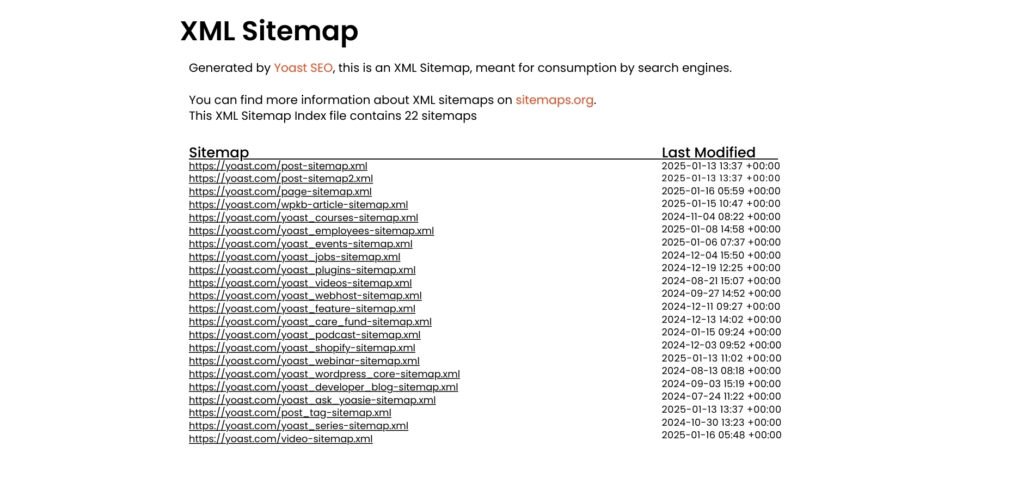
The sitemap, which is a list of all the pages in your store (such as product pages and blog articles) and their structure, is created automatically for you by Shopify. Search engines like Google benefit from these sitemaps since they utilize them to crawl and index the content of your website.
The main drawback of Shopify’s sitemaps, meanwhile, is that they are difficult to modify. For example, you cannot amend your sitemap by hand to fix a faulty URL that has to be updated on your website.
If you have a small online business with a few important pages, this is acceptable, but as your store grows, it may become an issue. This lack of control over your sitemaps may irritate you if you have a huge website that is divided into several subsections.
4. Integrated Data
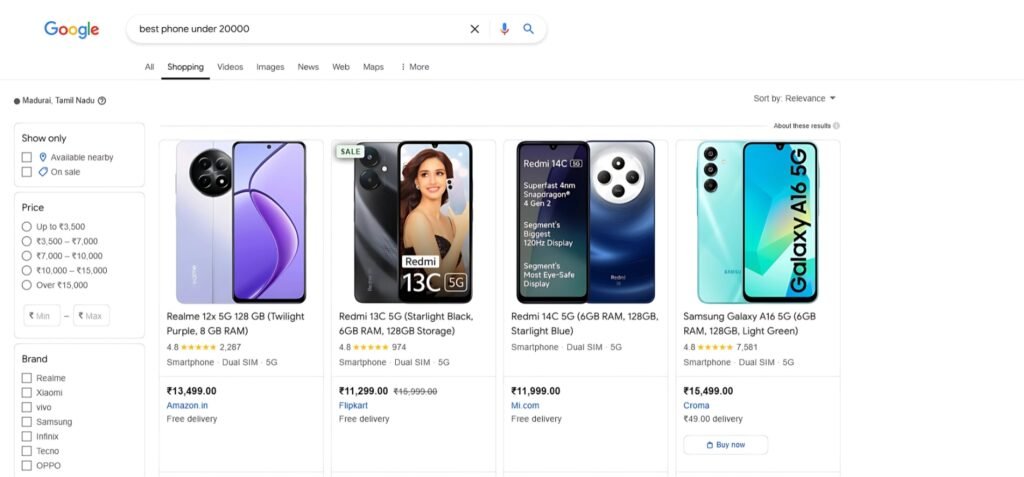
Search engines utilize structured data, which is code, to comprehend the content of a page and make it easier to view on results pages. One example of structured data would be if a product page included a star rating ranging from one to five. Google might also display this star rating in the search results!
The majority of Shopify themes support basic structured data, which allows Google to identify important features like a product’s name, price, and description and present them in search results.
However, you will need to manually alter the code of your website or acquire a Shopify software like JSON-LD Express if you need to make more complex changes, such as adding structured data for search in your FAQ or changing product details for accuracy. I advise engaging a professional for this as it might be a lengthy and difficult process.
5. Canonical Tags
Shopify creates canonical tags for you automatically to stop duplicate content from showing up on your website and affecting your page rankings. These tags ensure that any search rankings are given credit to the original pages solely by alerting search engines when a page is a copy of another page.

6. Optimized Website Speeds
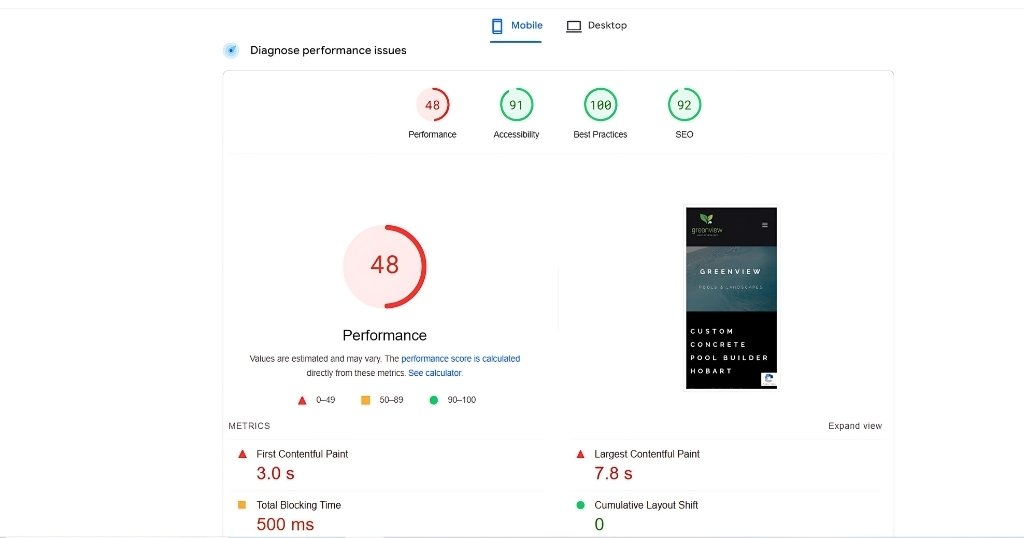
Slow loading times might harm your website’s SEO, according to Google’s Core Web Vitals. In actuality, websites that show up in Google search results typically have a fast page load time of 1.65 seconds.
You may check your load times on Shopify’s dashboard if you’re worried about how quickly your website loads. I could observe how quickly my website loaded by:
I’m navigating to my dashboard’s metrics area.
- Selecting “Reports.”
- Locating the “Web Performance” measure and choosing it.
- I could then see important performance indicators for my website from this page, like its Largest Contentful Paint score, which measures how long it takes for a page’s largest content to load, and its Interaction to Next Paint score, which measures how responsive an interface is when a user clicks on it for the first time.
Shopify will provide you recommendations on how to enhance the performance of your website if it loads slowly. On the dashboard, I saw helpful tips like optimizing my store’s images and removing unnecessary apps.
7. Optimized Images
The speed at which your website loads is also greatly influenced by image optimization. In order to assist speed up your online store, Shopify uses its Content Delivery Network to automatically reduce file sizes and identify the optimum file formats for your pictures.

8. Mobile-First interface
The significance of mobile-first design is another essential component of Google’s Core Web Vitals, and it can also affect how customers engage with your Shopify business. If the first website a user clicks on isn’t mobile-friendly, 79% of users return to the search results page.
The majority of Shopify’s themes may be altered in mobile view and are generally responsive to mobile devices. It’s important to keep in mind, though, that certain themes work better on mobile devices than others. Before deciding on a Shopify theme, I advise experimenting with a few to make sure they look fantastic and are completely responsive on both desktop and mobile devices.
9. Meta Descriptions & Titles
To help users understand what’s on each of your web pages, your Shopify store’s meta titles and meta descriptions will show up on search engine results pages. Here is a brief definition of each to help you understand:
- Meta Title: The title of a webpage as it appears in search results is called the meta title.
- Meta Description: An overview of a web page’s contents is provided by the meta description.
10. Custom URLs
When making changes to your website, you may wish to modify a particular URL to better reflect the content of a page. For instance, compared to example.com/hds73tgha, example.com/article/shopify-seo-review is far more informative. You’re in luck if you want to accomplish this on Shopify because it allows you to make unique URLs for various pages that are optimized for search engines.
I may change the URL of a page by scrolling down from the same spot where I changed the meta title and meta description. I clicked save to confirm that I was satisfied with the design.
Is Shopify Good for SEO?
Shopify is widely regarded as an SEO-friendly platform, providing a number of integrated tools and features that aid in search engine optimization. It’s clear, easy-to-use interface makes it simple to manage sitemaps, URL structures, and meta tags-all of which are crucial for SEO. Additionally, Shopify offers mobile-responsive themes and quick loading times, two crucial ranking elements.
Apps and plugins, such content marketing tools and image optimization, are also available to improve SEO efforts. Although Shopify facilitates the implementation of SEO fundamentals, the quality of your content, backlinks, and continuous optimization efforts are ultimately what determine success.
Final thoughts on Is Shopify Any Good for SEO
With built-in capabilities like automatic sitemap updates and quick page speeds-two important elements for rankings-Shopify offers a strong basis for SEO. The software lets you quickly change important shop components to match SEO best standards. Using Shopify by itself, however, does not ensure top results on search engines. Remember that Shopify is only a tool-success in SEO; keyword research, excellent content development, and generating strong backlinks are what will enable your store to flourish in natural search.