EcomOptix

Category: E-Commerce SEO

  • 10 Best Ecommerce Agencies in San Francisco

    10 Best Ecommerce Agencies in San Francisco

    San Francisco, a city renowned for its cultural richness and iconic landmarks, has so much more to offer.

    The place is known for its bold startups, tech-savvy spirit, which has made it a top place for growing ecommerce businesses.

    Whatever your goal is –

    • To build your first online store
    • Want to take your brand to the next level

    This city is home to several expert ecommerce agencies that are always ready to help.

    From creative web design to smart digital marketing and ecommerce consulting services, San Francisco’s top ecommerce agencies know how to get real results.

    But with so many agencies out there, you might get confused while deciding which one fits your requirements the best. 

    Fortunately, we have researched on your behalf and have shortlisted the options so that you can choose the best ecommerce agency. So, without any further delays, let’s dig in. 

    Best Ecommerce Agencies in the USA

    EcomOptix

    What really makes EcomOptix stand out is how they use smart AI technology to help online stores grow and thrive.

    They don’t just throw strategies at the wall—they dive deep into data, build lightning-fast websites, and design with one clear goal: turning visitors into paying customers.

    With over 150 five-star reviews on Upwork, they’ve earned their place as one of the top ecommerce agencies out there.

    EcomOptix is a dedicated agency that helps online eCommerce businesses.

    Its focused SEO approach addresses the unique challenges of business.

    Which helps in achieving superior results compared to any general marketing firms.

    Their AI tools are a game-changer, letting them quickly adjust ecommerce marketing services based on real-time trends and how shoppers are behaving.

    And the best part?

    They don’t just do it for you—they offer training to help your team understand digital marketing better and take control with confidence

    SevenAtoms

    SevenAtoms is another premier digital marketing agency that specializes in ecommerce, tech, and SaaS businesses.

    They are best known for creating high-performing campaigns that guarantee growth and boost online visibility. 

    SevenAtom employs an experienced team of PPC and content marketing specialists, making them a go–to agency for ecommerce brands aiming to scale.

    Another notable achievement is – they have helped achieve significant growth through targeted ecommerce marketing strategies.

    Clear Digital

    Clear Digital has over 2 decades of experience in transforming B2B brands.

    Their services are especially designed to match the needs of industries like finance, healthcare, and technology.

    This is what makes them a versatile choice for different ecommerce ventures.

    With their highly collaborative approach, they make sure that their solutions resonate well with the business goals of all their clients.

    They have received a few awards for their amazing design ideas and long-term client relationships.

    SmallGiants

    SmallGiants is an online digital agency that empowers ecommerce businesses to grow in the online market.

    They’re headquartered in San Francisco and specialize in everything from designing nice-looking, user-friendly websites to launching clever marketing campaigns that bring in more customers.

    They also facilitate the setup of tools that help people sell faster and easier.

    If you’re an online business hoping to increase your sales, enhance your website, or connect with more individuals, SmallGiants has the knowledge and expertise to guide you each step of the way.

    Bitcot

    In San Francisco, Bitcot is a well-known name when it comes to web design and ecommerce development specialists.

    Are you wondering what to expect from them?

    Digital experiences that convert, grow businesses effectively, and improve user engagement.

    Bitcot has already served a huge number of clients from across the industries, offering each industry consistent and creative digital solutions.

    It is their experience in platform integration, such as Magento, Shopify, and custom APIs that provides smooth and scalable outcomes for online stores. 

    MOKU Digital 

    MokuDigital logo

    MOKU Digital is all about creating clean, user-friendly ecommerce sites that don’t just look beautiful but actually increase your sales.

    San Francisco-based, they specialize primarily in Shopify and WooCommerce, designing online stores that perfectly capture your brand’s personality.

    What sets MOKU apart?

    Their sites are clean, mobile-optimized, and quick—because they understand today’s consumers don’t linger.

    Even post-launch, they continue to assist you in monitoring how your site is performing and refining it along the way.

    If you want a company that understands both design and business objectives, MOKU Digital is a good choice.

    Enormac Digital

    Enormac Digital

    Enormac Digital makes ecommerce companies stand out online with websites that are not only stunning but designed to sell.

    They understand how to combine amazing design with brilliant strategy to produce online stores that are easy to shop—and hard to depart.

    Since 2012, they’ve been providing a complete set of services, from WordPress development and SEO to PPC advertising and cloud hosting.

    They even take care of the techy things like website maintenance and performance, so you can concentrate on operating your business.

    With a firm grasp of marketing tech, Enormac ensures your store operates smoothly, loads quickly, and brings customers back for more.

    Thrive Internet Marketing Agency

    Thrive Internet Marketing Agency

    If you’re an e-commerce brand in San Francisco looking to grow online, Thrive could be the partner you’ve been searching for.

    They blend design, SEO, PPC, and content into one powerful strategy tailored to your business goals.

    Thrive takes time to understand your brand, audience, and challenges before building a results-focused plan that fits just right.

    Whether you’re just beginning or ready to grow big, their open communication and data-driven insights keep you on track and deliver real results

    Clay

    clay.global logo

    When it comes to building a strong online presence, Clay knows what it takes.

    Based in San Francisco, this agency specializes in creating beautiful, user-friendly ecommerce websites.

    They focus on blending design with strategy, ensuring that your site isn’t just aesthetically pleasing, but also built to boost conversions.

    Their team understands the power of great UX/UI and works hard to make sure every customer interaction is seamless and engaging.

    Looking for an agency that can help you design a site that sells?

    Clay has got you covered.

    HigherVisibility

    Running an online store comes with its fair share of challenges, but HigherVisibility makes digital growth feel easier.

    This U.S.-based agency helps ecommerce brands get found online with smart SEO strategies, targeted PPC campaigns, and conversion-focused web design.

    They don’t do cookie-cutter work; instead, they tailor their services to fit your goals and your audience.

    Whether you’re launching a new site or trying to boost sales from your current one, their team works closely with you to get results that matter.

    It’s all about helping your brand grow in a way that’s strategic, sustainable, and totally manageable.

    Wrapping Up: Your Next Step Toward Ecommerce  Growth

    Choosing the right agency from a city as progressive as San Francisco is going to be challenging, but also an excellent opportunity.

    Whether you’re launching a new brand or simply want to elevate, this list is packed with the best ecommerce agencies who understand how to drive actual business results.

    If you want to stay ahead in the modern-day digital era, EcomOptix is one name you can trust.

    They blend smart AI technology with tried-and-tested strategies, creating websites that convert and deliver unparalleled ecommerce management services.

    From maximizing campaigns to conducting hands-on team training, they make sure your business isn’t just online—it’s thriving.

    Of course, each agency here is offering something unique.

    Whether you need a spiffy new site, cutting-edge marketing, or complete-platform management, there’s a creative team in San Francisco just waiting to help.

    It’s just a matter of finding the one that aligns with your goals.

    Then do it—call one of these great E-com agencies and begin to build a store that glows, performs at a high level, and grows with you


  • How to Optimize an Ecommerce Product Page for SEO

    How to Optimize an Ecommerce Product Page for SEO

    With projected expansion of around $11 trillion between 2021 and 2025, e-commerce is set to steal even more of the retail slice.

    More and more e-commerce sites desire a slice of this pie, hence your search plan has to be deliverable.

    One of the most important components of SEO for e-commerce sites is page optimization of products.

    Usually with reduced competition and high commercial purpose, optimized product pages improve the user experience and rank better for long-tail search phrases.

    For e-commerce, this is absolutely essential since consumers looking for particular items are typically more inclined to buy and further down the sales funnel.

    This post will go over numerous techniques for maximizing SEO for ecommerce product pages, including improving on-page components, making the most of rich snippets, and raising user interaction. 

    What is Product Page Optimization?

    Ecommerce Product page optimization is the process of auditing and designing, content, and functionality improvement of a webpage meant for product sale.

    To provide a customized shopping experience, boost consumer confidence in your brand, and drive sales on e-commerce product sites, it means maximizing aspects including product descriptions, photos, pricing, reviews, and call-to-action buttons. 

    What is the Importance of SEO for eCommerce Product Pages?

    SEO (search engine optimization) is crucial for eCommerce product pages.

    Your products should show at the top of results when consumers search for terms or products connected to your lines of business.

    This is made feasible by SEO, which also increases natural traffic and sales.

    A digital commerce false pass is a strong product page devoid of SEO optimization.

    A product page SEO serves to present something to consumers, and SEO helps to make that possible. 

    Strategies to Optimize an ecommerce Product Page

    Strategies to Optimize an ecommerce Product Page

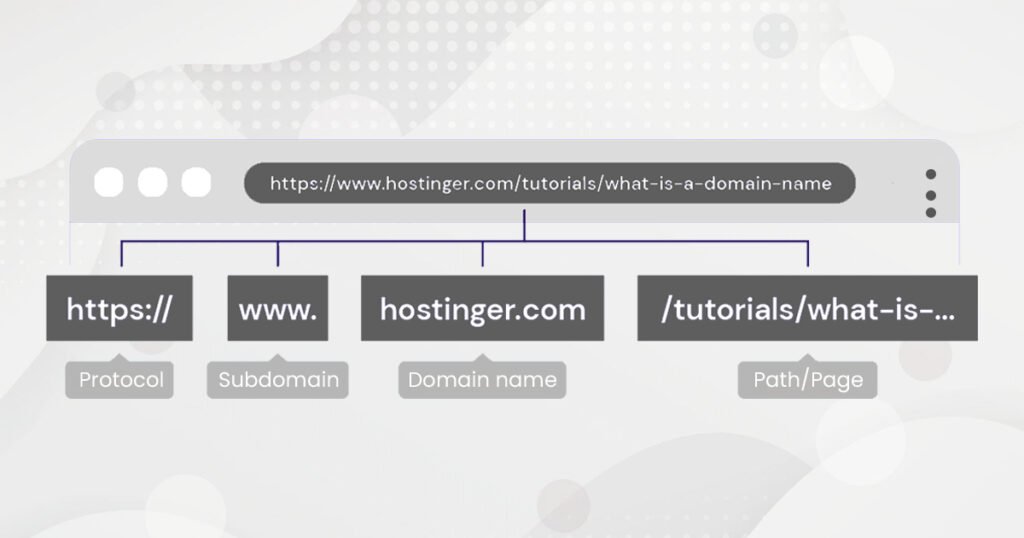
    1. Use Consistent URLs 

    Search engines and users will find it simpler to grasp the information of your ecommerce product pages when your URL is clear.

    And where, in the wider hierarchy of your site, each page fits. 

    Here are some tips for optimizing ecommerce product page SEO URLs:

    • Keep URLs clear and straightforward: Make sure URLs precisely match the name and category of the product—e.g., www.example.com/women/running-shoes/flat-feet). Short and straightforward URLs help search engines to crawl and index the page, so improving readability.
    • Integrate your main keyword: Including main keywords in your URL indicates to search engines relevance. One use of your desired phrase is plenty.
    • Sort URLs in line with your site hierarchy: Make sure URLs clearly show where each page falls within the larger navigation, therefore reflecting the layout of your website. A URL like www.example.com/shoes/running/flat-footed, for instance, indicates that the page falls within the “Shoes” category and the ” Running” subcategory.
    • Use lowercase letters: URLs are case-sensitive hence always choose lowercase characters. This will stop uppercase letters causing erroneous page loading.
    • Avoid special characters: Separate words in the URL with hyphens (-) instead of underscores (_) or special characters.
    • Apply correct redirecting techniques: Use 301 redirects to lead search engines and people to the updated URL if you have to change them.
    • Avoid dynamic parameters or session IDs: Steer clear of session IDs and dynamic parameters like “?id=123.” These mess your URLs and confuse search engines.

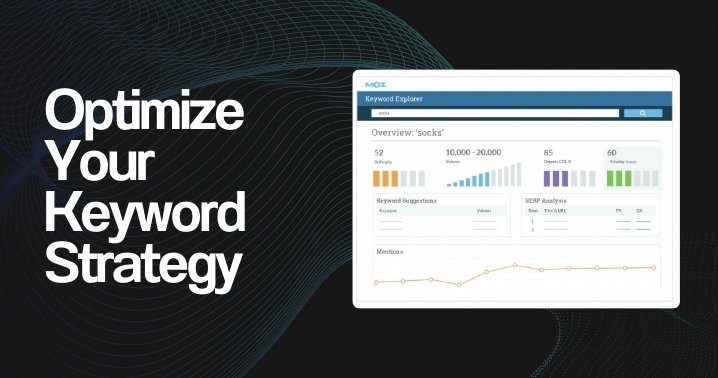
    2. Optimize Your Keyword Strategy

    Ecommerce Product page optimization is built upon keyword research.

    Always employ product-oriented subjects consumers are looking for while researching keywords.

    Don’t obsess over loudness.

    Think instead of relevancy and what will really convert.

    Use data from other sources, such as sponsored search, in your keyword and topic research and include highly click-through rate (CTR) ad copy into Meta Descriptions.

    Product pages have a transactional purpose, thus make sure your landing pages are best for searchers ready for purchase.

    Given the thorough quality of their search, someone seeking for a specific product like “Sunscreen with SPF 50 mattifying” definitely indicates they are ready to buy it.

    Simplify them access to that next crucial step.

    Optimize Your Keyword Strategy

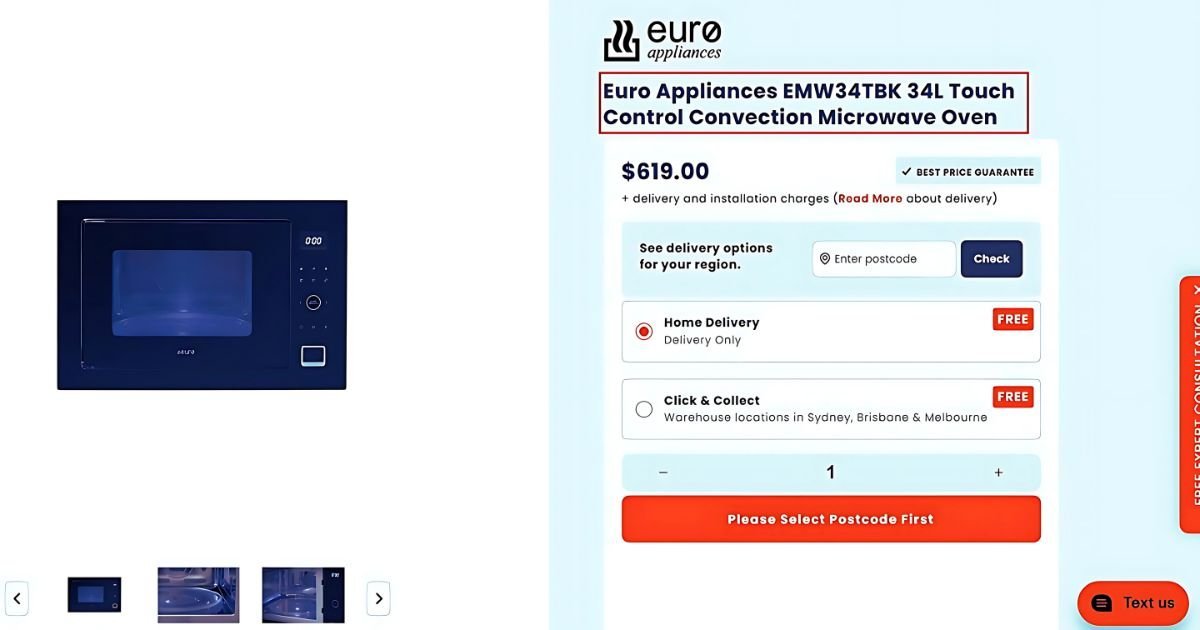
    3. Optimize Titles And Meta Descriptions

    Optimizing an ecommerce product page SEO depends much on title tags and meta descriptions.

    Remember to provide specifics like:

    • The product’s identity, which includes your proprietary brand.
    • The product’s name.
    • The model number.
    • Additional pertinent data (such as dimensions).
    Optimize Titles And Meta Descriptions

    4. Increased Search Visibility

    About 32% of all online purchase paths start on Google and 51% of consumers use Google to investigate items they intend to buy online.

    Therefore, you raise your chances of grabbing these possible consumers early in their purchase process by improving the organic exposure of your website for keywords relevant to products. 

    Increased Search Visibility

    5. Optimizing Product Images

    By optimizing your product images, you can increase the likelihood of consumers discovering your products and improve your visibility in search results.

    This calls for including pertinent keywords in file names, alt texts, and descriptions.

    It also implies providing search engines extra information using a structured data markup and featuring fast-loading, high-quality images.

    Your SEO for ecommerce product pages should attract more visitors and conversions using these ecommerce strategies. 

    Optimizing Product Images

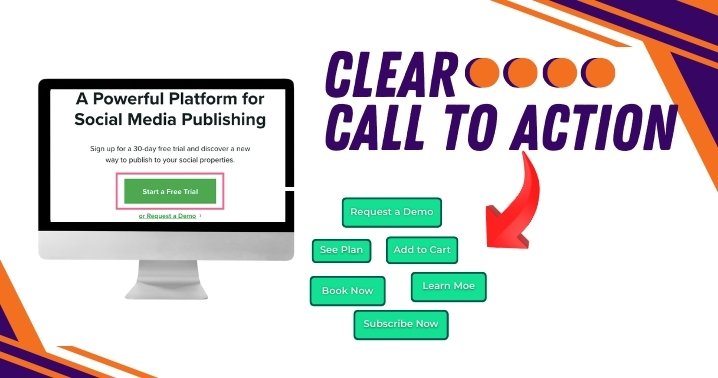
    6. A clear call to action (CTA)

    Your ecommerce product page has one job: to drive action.

    The CTA (Call to Action) is the most important component and should stand out from the surrounding content.

    The area around the button should be uncluttered so that there are no distractions or obstacles blocking the user.

    Your CTA button should be visible as soon as a visitor lands on your product page.

    If your product description pushes the “Add to Cart” button below the bottom of the browser, it’s time to make the CTA more prominent.

    Since more than 60% of eCommerce purchases in the US are made on smartphones, mobile optimization is critical.

    Test your SEO for product pages across multiple browsers and devices to ensure your call to action is front and center, no matter how customers are shopping online.

    Ensure you’re not confusing customers or adding friction to the purchase journey with your CTA.

    A clear call to action (CTA)

    7. Use Breadcrumbs for Easy Navigation

    Breadcrumb navigation makes it simpler for users to retrace their steps to past pages without using the back button of the browser and shows the path your site visitors follow to reach their present page.

    Apart from improving the user experience, breadcrumb navigation helps your SEO category page structure to be clearly defined, thereby strengthening your website hierarchy.

    This helps search engines to crawl and index your website, hence increasing visibility and ranking. 

    Use Breadcrumbs for Easy Navigation

    8. Integrate Ratings and Reviews into Your Product Pages

    When making decisions on what to purchase, online buyers mostly rely on the comments of other consumers.

    In fact, 50% of individuals are as likely to trust customer reviews as they are to trust recommendations from acquaintances or family.

    Thus, showing ratings and reviews on your ecommerce product pages will greatly affect the eagerness of your visitors to purchase.

    Product reviews also constitute user-generated material that Google utilizes to ascertain the relevancy and quality of your page. 

    Integrate Ratings and Reviews into Your Product Pages

    Conclusion 

    Perfecting SEO for e-commerce product pages is never-ending.

    These techniques can help you to considerably increase the SEO, user experience, and conversion rates of your product page.

    Recall that good e-commerce SEO is about striking a balance between appealing content and technical optimization.

    Keep testing, tracking data, and honing your technique.

    Your success with e-commerce is waiting!

    Mistakes to prevent while improving your product pages?

    Examining a product page URL
    Including too many plug-ins and programs
    Leaving off-market discontinued goods on your listings
    Stuffing keywords onto the page

    Why should your product pages be as best as possible for SEO?

    Improving exposure on search engine results, increasing natural traffic to your online store, and introducing possible consumers to your brand depend on optimizing your ecommerce product pages for SEO.

    From a blog entry to a product listing, perfect every page on your website.

    How may a product page be optimized?

    A product page can be optimized in numerous different ways.

    Create useful product descriptions with pertinent keywords in the meta tags, title, and descriptions.

    Eliminating extraneous plug-ins and programs will help your page speed.

    Show great photographs with thoughtful alt text.

    Use structured data to improve search engine view.

    How may e-commerce products benefit from SEO?

    For e-commerce products, SEO operates by besting ecommerce product pages and website content to raise their rating on search engine results page (SERRs).

    Instead of merely showing the homepage for your e-commerce site, particular product pages should show in organic search outcomes.

  • How to Optimize Ecommerce Website SEO

    How to Optimize Ecommerce Website SEO

    Search Engine Optimization (SEO) helps you to back off and consider the whole picture.

    How would you apply general strategies and best practices to raise the SEO performance of your online store?

    Adoption of artificial intelligence technologies for SEO alters how consumers view search results even while it can help automate and speed up operations including keyword research, content creation, or website schema.

    One outstanding example is Google Search Generative Experience, which employs artificial intelligence to provide users with more complete search results.

    While bearing in mind the changing relevance of AI tools and new technologies like Google Search Generative Experience, this blog will teach you about the broad methods and ecommerce SEO best practices you may employ to increase SEO performance and optimize ecommerce website. 

    SEO tactics to Optimize Ecommerce Website

    1. Conduct Keyword Searches Considering Buyer Intention.

    When doing keyword research, avoid concentrating just on the most often used keywords in your field of work. You must include buyer intent into the mix.

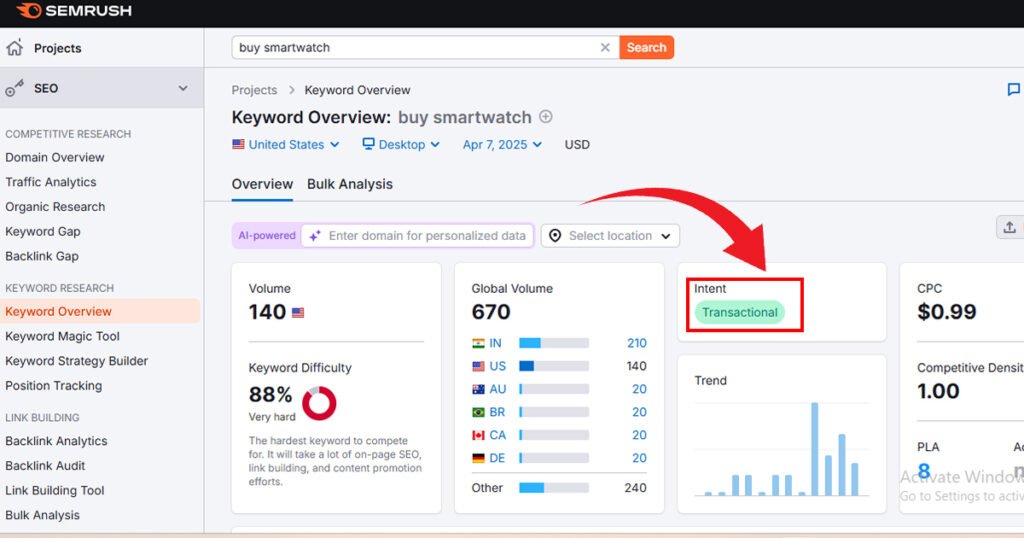
    Buyer intent resembles the goal behind a search query. Look at the particular words and phrases people enter into search engines when they search online to help identify it.

    Two primary categories of keyword intent exist:

    • Informational keyword intent: These searches feature factual enquiries or questions like “how do I?” In these situations, the searcher seeks further specifics regarding a topic.
    • Commercial keyword intent: These searches happen when a searcher understands what they want but does not know where to get it. They might type searches for “buy smartwatches” or “find Hong Kong flight deals.” Usually, users of commercial keywords intend more to buy.

    You can find keyword intent in several methods.

    One keyword tool you might use is Google’s keyword planner.

    You might also employ a tool like Ubersuggest.
    Content creators, bloggers, copywriters, and others wishing to explore user search questions or create fresh content ideas will find this tool helpful.

    You might also consider using Answer the Public.

    All you need to find exactly what people are searching for with this tool is to enter your keyword on the front page.

    Conduct Keyword Searches Considering Buyer Intention

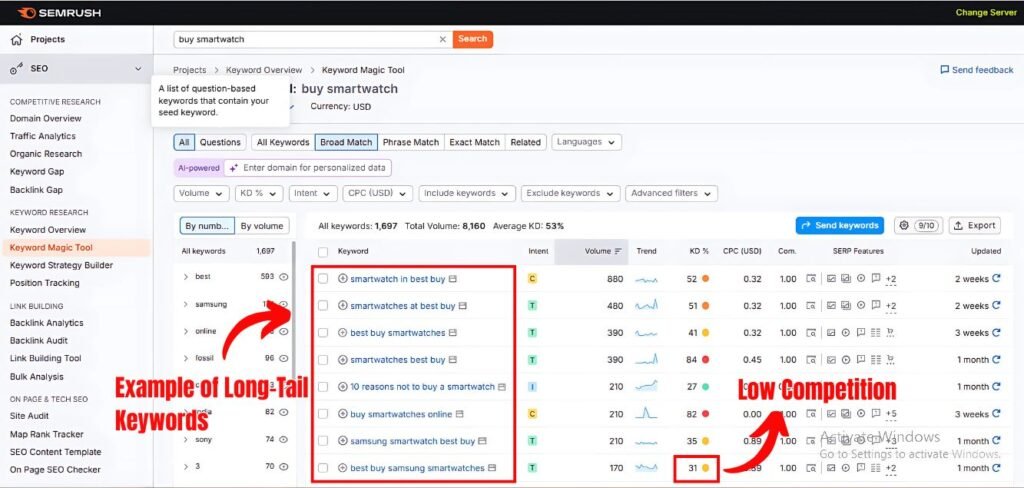
    2. Never Forget Long-tailed Keywords.

    Long-tail keywords often show on the right side of the page on SERPs.

    Though usually with low search traffic, a long-tail keyword is nonetheless significant for your company.

    Usually, it turns out nicely since it more closely matches the search criteria.

    It also usually causes more traffic congestion.

    Long-tail keywords can expose the objectives and search for your client.

    For instance, “sunscreen” is a short-tail keyword while “best sunscreen with SPF50 for summer” is a long-tail term and offers additional details regarding the most likely next actions and intentions of the buyer.

    Given their great traffic source, try to rank for long-tail keywords. They notably help for:

    • Competitive Niches
    • Enhanced Conversion Rates
    • Ranking Newly Created Sites more Quickly
    • Quick Gains from a Small Budget

    Google’s “People also ask” function or a free keyword tool like Ubersuggest or Wordtracker will help you uncover long-tail keywords.

    Never Forget Long-tailed Keywords

    3. Streamline Product Pages to Raise Ranking.

    Using on-page optimization strategies will help you draw in and get fresh clients as well as increase conversion.

    Concentrating your efforts on the most important aspects of your e-commerce website makes sense.

    These belong to you:

    • Product Descriptions
    • Images 
    • Reviews

    Product Descriptions

    You could think about optimizing product descriptions by:

    • Including Top-notch Original Photos
    • Using Keywords
    • Including Descriptions Rich in Keywords
    • Add CTAs
    • Including Testimonials

    Images

    Though they can be distracting, images and photos can help to make a page more appealing and fascinating. Thus, keep from employing too many of them in descriptions.

    Higher search engine results and more traffic from possible clients should follow from bettering your photos for SEO. Social networking could potentially provide traffic for you.

    In order to optimize your images:

    • Choose Suitable Images in the Proper Scale.
    • Add ALT Tags and Captions.
    • Name Files using the Appropriate Keywords.

    Review Notes

    Your success while using ecommerce best practices depends critically on reviews.

    They assist customers in choosing whether to conduct business with an online store or purchase a given good.

    Reviews can raise conversion rates and help you establish consumer confidence.

    Send automatic messages encouraging consumers to post reviews anytime they buy anything from your website.

    Streamline Product Pages to Raise Ranking

    4. Ensure that Your Website is User-friendly.

    In e-commerce, you really need to focus on your site’s user experience, or UX. Good design improves the usability of your site and increases its visual appeal.

    Apart from appearance, your site should function as expected.

    Make sure adverts don’t compromise the content’s view by the user.

    Make sure your site is easily navigable and that using it is intuitive.

    Customers should always be engaged on your website, find what they are seeking for fast and effortlessly, and generally have a great experience.

    Google could rank your website lower if it believes it presents a bad experience for users.

    To raise UX, make sure your website:

    • Loads Immediately
    • Is it Mobile-friendly?
    • Is Clutter Free?
    • Has Uniform Styling and Easy Navigation with CTAs
    • Is Easily Accessible 
    Ensure that Your Website is User-friendly

    5. Apply a Basic URL Structure.

    A clear URL structure on your e-commerce website is the best ecommerce SEO best practice to improve site user experience.

    Since it gives search engines more pertinent data, it enhances your efforts at SEO e-commerce.

    Sharing items on social media and other websites also comes more naturally.

    URLs should be as brief as feasible and easily readable and understandable.

    POOR EXAMPLE: https://www.example.com/baking/article-about

    GOOD EXAMPLE: https://www.example.com/baking-articles/.

    Your URLs should have keywords incorporated into them.

    We call these “meta tags”.

    They inform search engines about the nature of the material on your website.

    Search engines choose where the page should rank in SERPs by scanning the URL and leveraging the keywords there.

    You might also use a navigational tool like breadcrumbs to enable website users to go back to where they began by retracing their past actions.

    To increase SEO, you might add them using JavaScript or with markup elements.

    Additionally, refrain from using stop words in URLs.

    Included among stop words are “the,” “and,” “of,” and “a.” These could cause your SEO results to drop and make your content less readable. 

    Apply a Basic URL Structure

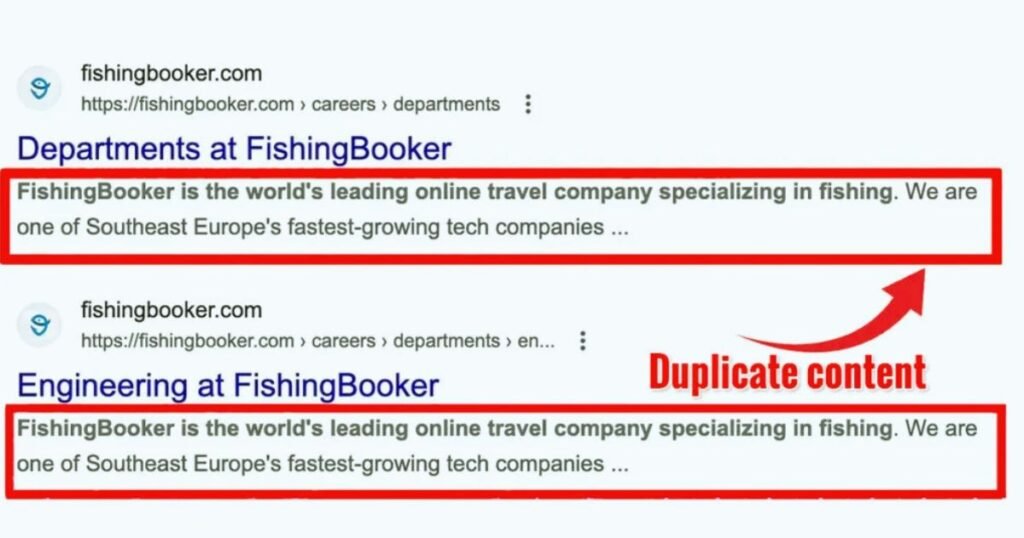
    6. Prevent the Use of Duplicate Content and Pages

    Many online stores get caught in the trap of including on their websites repeated product descriptions and photographs. You can lower your site’s duplicate content load with:

    • Using a CMS with site-wide 301 redirects or placing canonical tags on every page you know could contain duplicates; for example, pages with similar titles or that have identical URLs.
    • Specify the URL to Add
    • Utilising Several Product Pictures
    • Including Particular Keywords on Other Pages 
    Prevent the Use of Duplicate Content and Pages

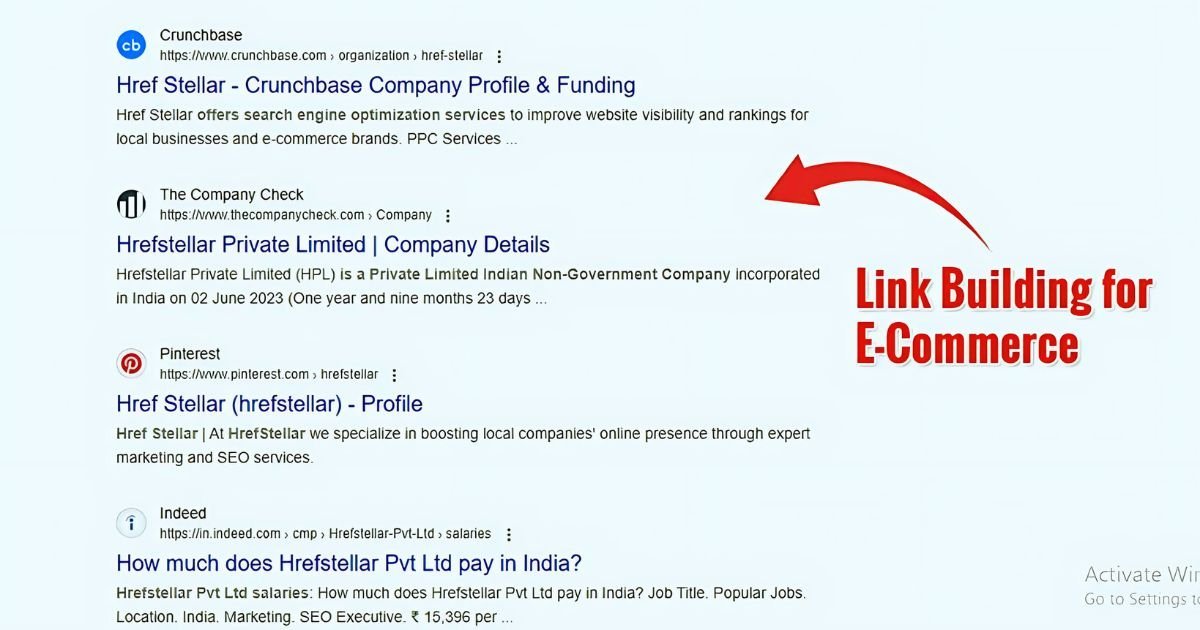
    7. Link Building for E-Commerce

    SEO’s ranking system heavily relies on link creation. Excellent links tell Google your site is reputable. Backlinks also support keyword-based site ranking.

    To build backlinks with quality:

    • Create Guest Posts
    • Utilise Social Media Advertising
    • Publish Material on Social Media
    • Issues Press Releases
    • Make Infographics and Share them Online
    • Share Case Studies and Whitepapers

    Steer clear of purchasing links.

    Certain sponsored links violate Google’s policies.

    Moreover, cheap links usually have poor quality.

    Lower ranks and fewer visitors follow from inadequate quality links.

    They could also sour your website’s reputation. 

    Link Building for E-Commerce

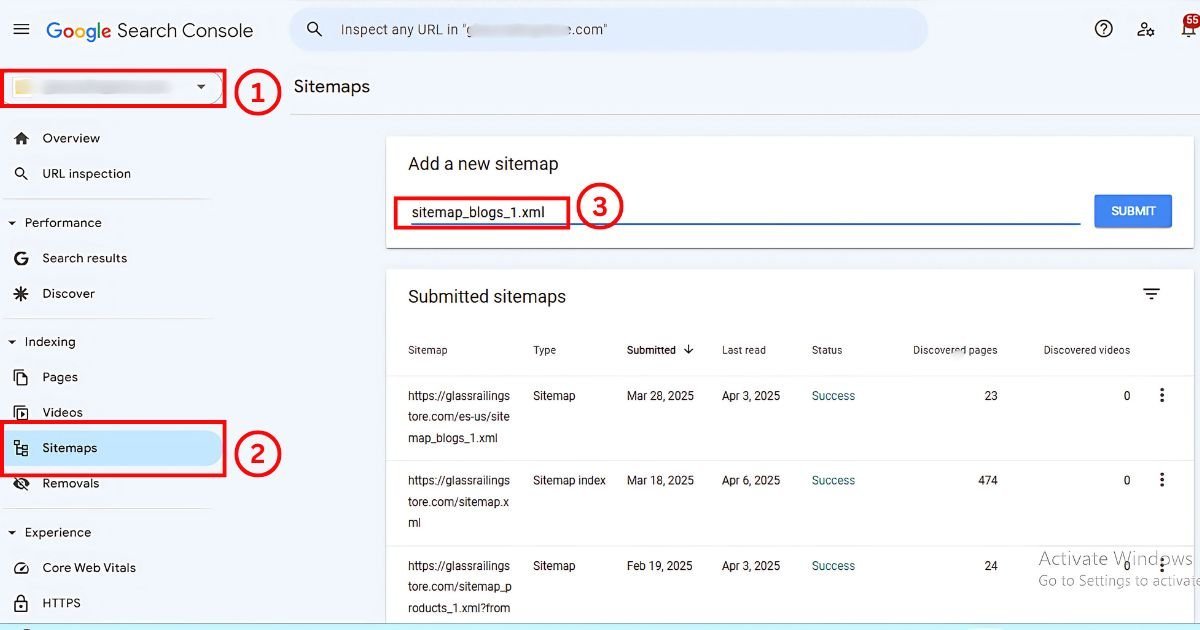
    8. Including a Sitemap

    A sitemap is a graphic portrayal of your website.

    It should go into great detail on every page on your website as well as on all the subcategories, goods, and other important notices on those pages.

    You might create a site map by yourself or with an automated program. Sitemaps apply HTML and XML. To visitors, HTML sitemaps are more useful.

    These instruments help you to construct a sitemap:

    Including a Sitemap

    9. Simplify Social Sharing

    Usually, social media sharing has no immediate impact on SEO. Sharing your content on social media, nevertheless, raises brand awareness and lets individuals get more acquainted with your company.

    Growing the quantity of mentions you get on social media might also help. Social media mentions have an impact on SEO in:

    • Generating Organic Traffic
    • Expanding Awareness
    • Boosting Local Search Engine Optimization
    • Increasing Brand Familiarity
    • Broadening Content Availability
    • Backlinks Growing in Number

    Buffer and Hootsuite let you automatically post content from your website across all of your social media platforms at prearranged intervals.

    Your social media shares will rise as a result.

    Simplify Social Sharing

    Conclusion

    Improving exposure and increasing traffic on your eCommerce website depends on its usage of ecommerce SEO best practices.

    Search engine results will be much improved by concentrating on keyword research, product description optimization, user experience enhancement, and mobile friendliness assurance.

    Authority can also be established with excellent, interesting material such as buyer guides or blogs.

    Remember technical SEO as well—that is, site speed, structured data implementation, link mending, and so on.

    Your site will remain competitive if you routinely update your content and create backlinks of building quality.

    Regular SEO improves conversion rates, boosts natural traffic, and finally supports long-term corporate expansion.

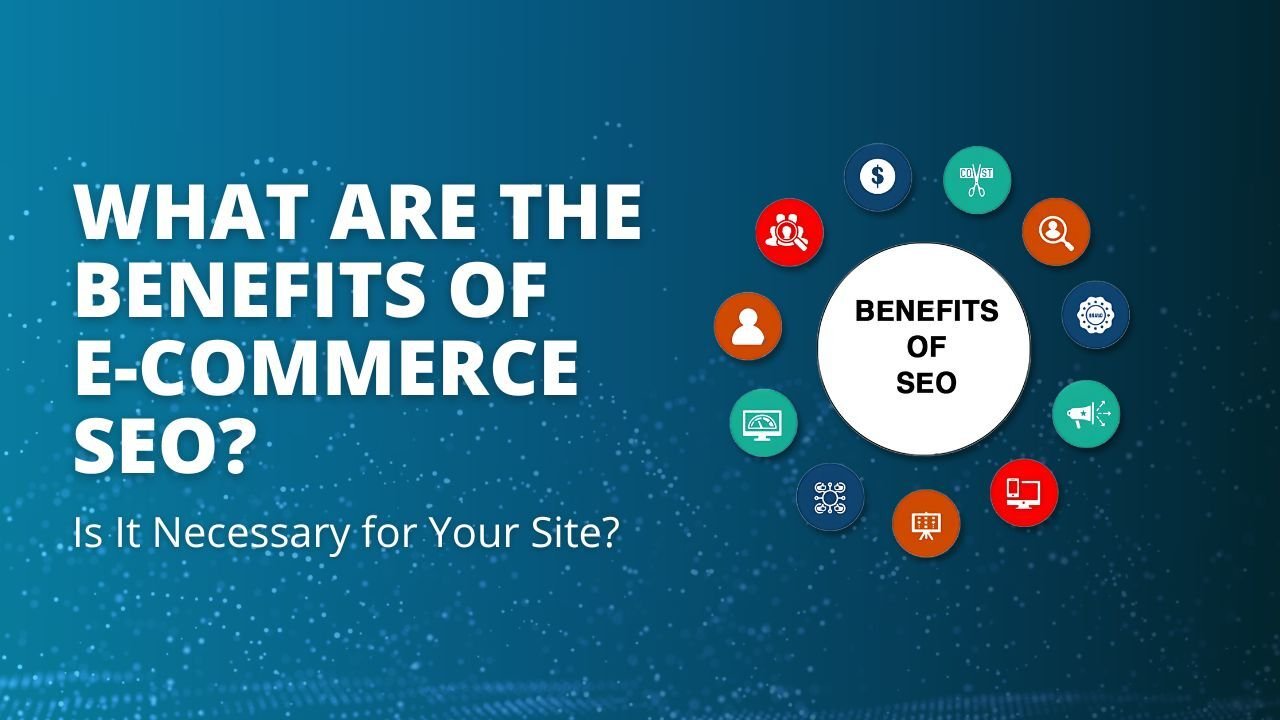
  • What Are the Benefits of E-commerce SEO? Is It Necessary for Your Site?

    What Are the Benefits of E-commerce SEO? Is It Necessary for Your Site?

    As of September 2023, consumer insights by Google show a 30% rise in search searches connected to products.

    This means that more customers are looking for detailed information about a product, like reviews and specs, before they buy it.

    This helps them get a better idea of how they might feel about it.

    You need a well-optimized e-commerce website if you market goods and wish to appeal to the widest audience. why?

    But the most obvious reason is the huge growth of e-commerce around the world, which Statista says will hit $8 trillion by 2027.

    Optimizing e-commerce will help you reach that eager consumer ready for online purchase.

    This implies giving e-commerce SEO top priority so it shows up better in search engines.

    A well-optimized seo for an ecommerce site is more likely to draw these research-oriented readers who usually linger on the first page of search results.

    Still, why precisely should you spend money on e-commerce SEO?

    Discover the benefits of e-commerce SEO right here. 

    Understanding Ecommerce

    E-commerce is the online purchase and sales of products and services.

    Smart devices handle the process.

    These days, practically anything can be bought via e-commerce.

    Though some businesses would want to keep both, it can be used in place of physical stores.

    Globally, e-commerce greatly helps to drive economic development.

    What is Ecommerce Search Engine Optimization?

    E-commerce search engine optimization, sometimes known as e-commerce SEO, is the process of refining an online store to raise its search engine result visibility.

    This mostly involves making the website easier for search engines to crawl and index, creating high-quality content, building the website’s popularity, and using relevant keywords on the website to get free traffic from search engines.

    One wants to show higher on search results for searches for a given good or category.

    This helps an e-commerce company since greater natural traffic results from more visitors and sales free from paying for advertising.

    The Significant Role of Website Performance in Improving SEO for eCommerce Site Rankings

    Role of Website Performance in Improving SEO for eCommerce Site Rankings

    The 2023 Impact of SEO & Content Marketing Survey shows that 50% of respondents said SEO has a major, favorable impact while 82% of marketers believe it improves their marketing performance and goals.

    Up to 99 percent of searchers stick to page one of the biggest search engines, while the top result snags 27.6 percent of Google traffic.

    You see, the extra visibility SEO gives you in search results is ultra-important.

    Search engines like Google use page loading time as one of many factors to decide how to rank websites.

    If your website takes a long time to load, users may not enjoy it as much, which will lead to higher bounce rates and less contact.

    This can finally result in a reduced SEO value.

    Apart from page loading speeds, additional performance elements including mobile adaptability, website security, and website structure might influence the value of seo for an ecommerce site.

    For example, a mobile-responsive, easily navigable and secure website enhances user experience, so improving SEO score.

    Search engines give websites providing a good user experience top priority overall.

    Thus, it is imperative to maximize the performance of your website by guaranteeing it loads fast, is easy to use, and gives users the necessary information.

    The Importance of SEO for Ecommerce Businesses

    The Importance of SEO for Ecommerce Businesses

    SEO is the practice of maximizing your website to show higher on search engine results pages (SERRs).

    To put it another way, it makes your website more visible to people who might become customers when they use Google and other search engines to look for appropriate keywords.

    We believe that by 2025, almost all retail purchases will be made online.

    This shows how important it is to have a strong e-commerce SEO plan.

    Studies reveal that over thirty percent click on the top-ranked result while 75% of people never navigate past the first page.

    You thus lose out on possible consumers if your e-commerce site or business does not show on the first page of search results.

    Being highly visible on search engines is absolutely vital for e-commerce vendors since it greatly affects their online sales. 

    The Growth of Ecommerce in 2025

    More than doubling the $3.53 trillion generated in 2019, worldwide e-commerce revenues are expected to reach $6.4 trillion by 2025, per Statista.

    The increasing use of mobile devices and the growing popularity of online markets like Amazon and Alibaba help to mostly explain this exponential development.

    E-commerce companies must distinguish out from the competitors and draw possible consumers in this very competitive environment. And that’s where search engine optimization finds application.

    Benefits of E-commerce SEO 

    Although the potential benefits of e-commerce SEOfor your business can be several, how precisely can it assist it?

    Let’s consider the main reasons for your investing in e-commerce SEO!

    1. More Organic Traffic and Sales

    More Organic Traffic and Sales

    Google claims that before making a purchase, about 51% of consumers investigate their possible purchases using Google.

    E-commerce SEO can assist you to attract this audience and naturally direct them to your website so they may become paid consumers.

    By use of keyword analysis, you can ascertain the search for what these possible clients are looking for and thereby modify your website.

    This can be guaranteeing fast page load times on your seo for ecommerce site, producing interesting material, and matching product descriptions to their preferences.  

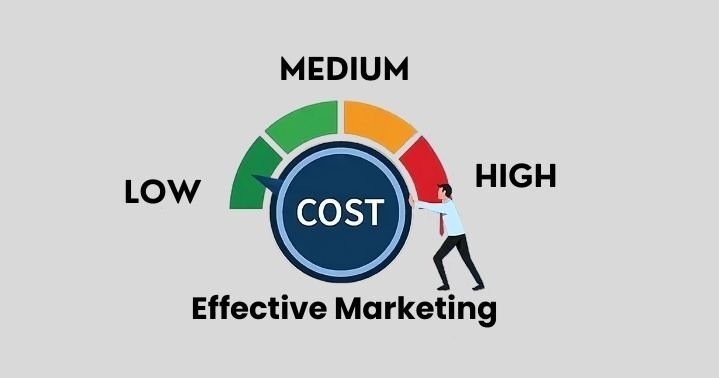
    2. Cost-Effective Marketing

     Cost-Effective Marketing

    Within the e-commerce space, marketing is always one element that cannot be disregarded.

    Reaching and involving possible clients is the aim, however depending on conventional advertising channels this sometimes comes with a high cost.

    This leads me to my second argument on why your e-commerce plan ought to revolve mostly on SEO.

    Why is this Important?

    Businesses looking to improve their profile have turned first to advertising.

    It is not secret, though, that it is somewhat costly, particularly for small and medium businesses (SMEs).

    It requires consistent outlay without guaranteed return.

    Imagine now obtaining either similar results or perhaps better for a fraction of the expense.

    Sounds fantastic!

    Exactly that is what SEO provides!

    When it comes to digital marketing, SEO is an affordable option that doesn’t require a huge starting investment.

    If you use a good SEO plan, your site will be optimized for the right keywords, it will be easier for people to use, and you will have excellent content.

    All of these things help to bring in real visitors instead of paid clicks.

    How to Do this?

    • Maximized Profit: Every company thrives for higher profitability ratios that follow from reduced costs.
    • Long-Term Growth: Paying for ads all the time might not be possible in the long run, but SEO aims for long-term growth.
    • Flexibility: Unlike traditional ads, which might occasionally compel you into contracts, SEO lets you stop or modify your efforts free from any additional penalty.

    Many see the application of an e-commerce seo strategy as “getting more bangs for your money”!

    Basically, by including seo techniques into your e-commerce system of operations, increasing visibility becomes financially feasible even if your budget is shoestring! 

    3. Increased Brand Awareness

    Increased Brand Awareness

    More potential customers will find out about your brand when your website regularly ranks high in search engine results for relevant keywords.

    This is one of the many benefits of e-commerce SEO.

    Potential customers are more likely to remember and trust your brand if it is always there, which strengthens its place in their minds. 

    Effective optimized content gives your target audience useful answers to their questions and turns your site into a resource they can rely on.

    In such cases, word-of-mouth becomes simpler since valuable material usually gets shared more on social media.

    This starts more people talking about how useful your material is, so enhancing the reach of your brand without further expenses. 

    4. Reduced Customer Acquisition Cost

    Reduced Customer Acquisition Cost

    Many times, e-commerce businesses begin their marketing with Performance Marketing [Google Ads & Facebook Ads].

    They do it as, when compared to a marketing channel like SEO, it somewhat speeds up traffic and sales.

    The issue arises when they keep depending just on performance marketing and neglect diversification of their marketing sources.

    We all know that Google Ads and Meta Ads work like auctions, where the top bidder gets the most clicks.

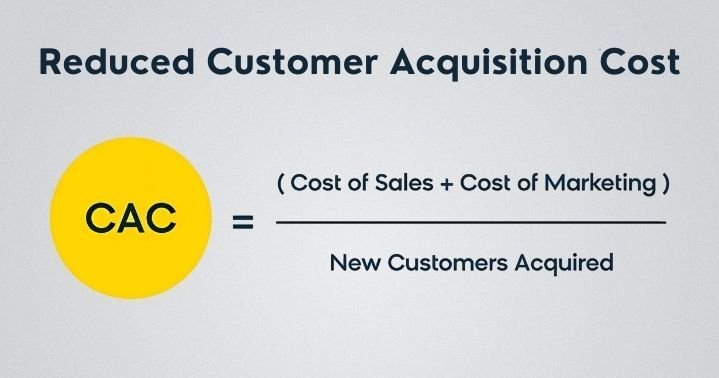
    So, it’s pretty clear that your CPC (Cost Per Click) and CAC (Customer Acquisition Cost) would go up every year in an auction-based system.

    Your CPC and CAC will never go down. 

    Therefore, if you wish to create a sustainable e-commerce business, you should make investments in a marketing channel like SEO to enable you to lower your Customer Acquisition Cost.

    SEO is a marketing tool well-known for a reduced CAC mostly because once you start ranking for a set of keywords, you more or less rank there for a lengthy period of time, producing free traffic from search engines.  

    5. Builds Trust and Credibility

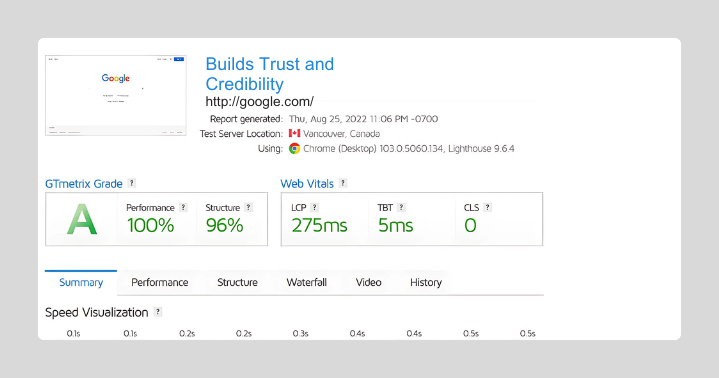
    Any e-commerce business’s success depends critically on building credibility and trust.

    Users of brands they consider reliable are more willing to spend their hard-earned money.

    It is one of the important benefits of e-commerce SEO. 

    Why should this be Crucial?

    In two main respects, developing trust immediately affects your bottom line:

    • Higher Conversion Rates: Prospective consumers are less reluctant to buy your brand when they find it reputable.
    • Repeat Business: Once a customer trusts you, they are more likely to come back and make further transactions going forward.

    Trust cannot materialize overnight.

    It develops gradually over time by constant good contacts with your brand.

    Search engines often perceive such reputable brands positively as an interesting side effect, which increases their ranking on result pages.

    Stated differently, credibility influences not only user behavior but also indirectly SEO results.

    How can this be Accomplished?

    Building credibility and trust with SEO calls for numerous actions:

    1. Content Creation: Create consistently excellent content; solve user problems; offer value.
    2. Transparency: Be honest with them about your products; don’t use false techniques just to get more sales or clicks.
    3. Securing Your Website: HTTPS is the best way to make sure that your website is safe, since many people put safety first when they buy things online. 
    4. Positive Reviews: Get happy customers to leave reviews on Google Business Listing, Yelp, and other important sites. Reviews and other content submitted by users are like social proof and have a big effect on what people buy.

    6. Better User Experience

    Better User Experience

    Giving visitors a decent user experience is one of Google’s main ranking criteria.

    Google views your site as a positive experience if it is targeting the appropriate keywords for your target demographic and responding to questions that website visitors could have.

    This will thus help your rating.

    However, Google will view your seo for an ecommerce site as a poor experience and your ranking will suffer if users are clicking it right away.

    Emphasizing on improving your user experience in the name of SEO benefits your clients, who will therefore find your online store more appealing to visit and utilize. 

    Conclusion

    In conclusion, SEO is a crucial part of any eCommerce business’s digital marketing strategy.

    By optimizing your website for search engines, you can increase traffic, improve user experience, increase sales, and gain a competitive advantage over your competitors.

    If you are not investing in seo for an ecommerce site, you are missing out on a significant opportunity to grow your business online. 

    Why should my online store pay attention to E-commerce SEO?

    E-commerce SEO means When you improve your online store’s content, structure, and technology, you can make it more visible on search engines like Google.

    It’s very important because it raises your site’s ranking in search results, which raises brand knowledge, brings more organic visitors to your site, and ultimately raises sales.

    How may I improve the SEO on product pages?

    To get the most out of your product pages, make sure they have unique and clear titles, high-quality pictures with alt text, detailed product descriptions, customer reviews, and relevant keywords.

    Also, check to see if the page opens quickly and works well on mobile devices, as these factors can affect search results.

    How important are keywords to E-commerce SEO?

    Keywords are really important since they enable search engines to grasp the contents of your pages.

    Investigate and select pertinent keywords connected to your items, then organically apply them in titles, descriptions, and other materials.

    To draw in a variety of queries, concentrate on both long- and short-tail keywords.

    How may the technical SEO of my website be strengthened to provide greater performance?

    Technical SEO is backend optimization of your website such that it is search engine friendly.

    This covers enhancing site speed, building an XML sitemap, repairing broken links, applying schema markup for product information, and guaranteeing your site is safe (HTTPS).

    Search engines will more efficiently index your pages on a well-organized, easily navigable site.

    What is link building, and how may it influence my E-commerce SEO?

    Link building is the practice of finding links from other respectable websites to your online store.

    It’s crucial since search engines consider these links as a sign of authenticity and dependability.

    Quality backlinks from sites that are related to your business can boost your website’s domain popularity and make it show up higher in search results.

  • 6 Best Ecommerce Platforms for SEO

    6 Best Ecommerce Platforms for SEO

    You need a well-optimized e-commerce website if you sell goods and wish to reach the widest audience.

    Why is it?

    The most clear-cut cause, though, is the explosive expansion of e-commerce globally-which Statista projects will reach $8 trillion by 2027.

    E-commerce SEO will help you reach that eager market ready for online purchase.

    First, though, you must be visible; for e-commerce, SEO will help you do that.

    The following piece will walk over how to use SEO to draw visitors to your online store and which is the best ecommerce platform for SEO. 

    1. Shopify

    shopify - ecommerce platform for ecommerce

    Shopify’s strong SEO and easy-to-use interface continue to be audience’s favorites ecommerce platform.

    It provides a whole suite of shopify SEO solutions meant to improve the search engine view of a store.

    Customizable meta tags and built-in blog feature of Shopify enable retailers to more successfully reach their target market.

    Fast load speeds of Shopify also help SEO by ensuring consumers remain interested and thereby increasing conversions.

    Features of Shopify:

    • Individualized URL construction
    • Internal blogging tool
    • Themes designed for mobile devices
    • Rapid page loads

    2. BigCommerce

    bigcommerce

    BigCommerce comes first on our ranking of top SEO e-commerce systems.

    For businesses wishing to create an online store, this platform is among the top e-commerce solutions available.

    For those without coding knowledge, BigCommerce is rather popular since it is simple to utilize.

    Let’s weigh the advantages and drawbacks of this e-commerce SEO system:

    Benefits of BigCommerce

    BigCommerce is among the finest platforms for SEO focused e-commerce

    1. It’s adaptable: Because BigCommerce is a versatile ecommerce platform, e-commerce companies find it to be helpful. When you lack experience developing a site, you need anything that will enable you to quickly establish the site you require. BigCommerce is a great choice for you since it is remarkably customizable and requires no experience of coding.
    2. It is search engine optimizable: Look for SEO-friendly elements from e-commerce site builders to help you decide which e-commerce platform best fits your needs.

    Big Commerce provides numerous SEO-friendly tools, among them are:

    • Design suitable for mobile devices
    • 301 redirects built-in
    • URL suitable for SEO
    • Edit your txt file’s access and more
    1. It’s friendly for customers. BigCommerce is customer-friendly, thus it’s one of the top SEO e-commerce system. Many e-commerce website tools on this platform let you improve the buying experience for your audience. For instance, BigCommerce makes shopping simple by allowing you to accept more than forty various payment options.

    3. Wix eCommerce

    Perfect for entrepreneurs wishing to maximize their SEO, Wix eCommerce is a powerhouse for small to medium-sized companies.

    Wix easily helps companies raise their search engine results by providing cutting-edge SEO solutions.

    To increase more natural traffic, users may change meta tags, create redirects, and use correct headlines.

    Wix eCommerce Features: 

    • SEO Wiz for methodical setting
    • Customizable Meta Tags
    • Organized data facilitates
    • SSL certificates consisted in

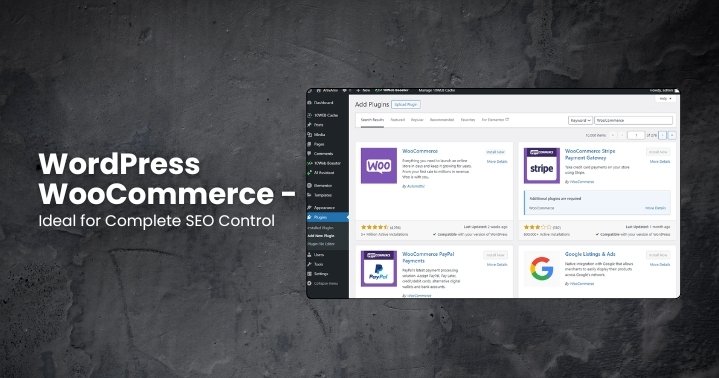
    4. WordPress WooCommerce – Ideal for Complete SEO Control

    Being developed on Linux, WooCommerce provides unmatched SEO freedom. You may change every element from URLs to schema markup and access plugins like Yoast SEO.

    Ideal for businesses seeking complete control over SEO and who are not too bothered about a little more setup effort.

    Features:

    • SEO variables with 100% customizing
    • URL and permalinks with SEO friendliness
    • Availability of strong WordPress SEO plugins
    • Choosing fast loading themes and hosts

    5. Magento-now known as Adobe Commerce

    Companies looking for great SEO capability and wide customizing often use Magento.

    Developers like it since its open-source structure enables sophisticated SEO changes.

    Magento guarantees that companies may build a strong SEO strategy by letting users construct thorough sitemaps, meta tags, and clean URLs.

    Magento Characteristics:

    • Modern customizing choices
    • Strong URL structure
    • Meta tag management
    • Comprehensive sitemaps 

    6. Squarespace

    Squarespace is another website in active search for the best ecommerce platform for SEO.

    Squarespace provides more than a hundred adaptable designs your online store could need.

    Let us weigh this platform’s advantages and drawbacks.

    Squarespace’s Advantages

    • It’s ready for blogging: As we shared previously, blogging is a critical component of your site’s SEO. Fortunately, Squarespace provides blogging tools so you may rapidly launch a blog for your online retailer and start increasing sales for your firm.
    • It is mobile-responsive: Given that 90% of consumers buy via a smartphone, you have to have a website that looks and performs brilliantly on mobile. Squarespace is your e-commerce SEO tool that will produce a mobile-responsive website.
    • It boasts an excellent community: Users of the Squarespace community will be quite helpful, much as with WooCommerce. These people can be contacted with any inquiries or concerns regarding the development of your e-commerce website as well as with help debugging problems.

    Conclusion

    For e-commerce, SEO can help your website be more visible, draw fresh clients to your store, and create a devoted following.

    One could find yourself thinking about a lot here.

    It doesn’t have to be as complex as it seems, though, if you focus on the top SEO best practices and improve the key parts of your website.

    An e-commerce marketing agency can also help businesses apply these strategies effectively and build a stronger online presence.

    One should keep in mind that SEO for ecommerce websites does not happen overnight. Rather, it’s a continuous plan that calls for constant updates to maximize outcomes.  

    FAQs

    These often asked questions regarding SEO in e-commerce might allow you to better appreciate its relevance and application:

    1. In e-commerce, What is SEO?
    In e-commerce, SEO is maximizing an online store to show higher on search engine results pages (SERRs). This covers off-page elements including backlinks and social signals in addition to on-page ones including product descriptions, meta tags, and URLs. Increasing organic traffic, enhancing user experience, and finally pushing more purchases is the aim.
    2. Is SEO worth it for ecommerce?
    Definitely, e-commerce depends on SEO. Attracting possible clients depends on your store being visible in search engines, so it helps it. Unlike sponsored advertising, SEO’s advantages are long-term and can offer a constant flow of natural traffic. Good SEO may greatly lower consumer acquisition expenses and raise your return on investment (ROI).
    3. Which ecommerce platform fits SEO?
    There are several e-commerce systems well-known for their SEO characteristics. Among your best options are Shopify, WooCommerce, and BigCommerce. These systems include strong SEO features, configurable URLs, and seamless connection with many SEO plugins. Important for search engine results are also fast loading times and clean code.
    4. Which SEO techniques best fit e-commerce?
    For e-commerce, good SEO techniques call for keyword research, page optimization, and producing premium content. Often, long-tail keywords produce higher conversion rates. Crucially also are technical SEO factors such site performance, mobile usability, and safe HTTPS connections. Additionally improving your SEO efforts is building quality backlinks and using user-generated content including reviews.
  • What is Ecommerce SEO? 7 Best Ecommerce SEO Practices!

    What is Ecommerce SEO? 7 Best Ecommerce SEO Practices!

    If you run an online store, one thing is for sure – you will need a well-optimized website to reach your audience.

    Why?

    Because as per Statista’s prediction, ecommerce will hit $8 trillion by 2027.

    That’s a massive pool of potential buyers searching for products online. 

    However, the question is, will your audience be able to find you in this competitive online world?

    This is where SEO practices for online retailers comes in.

    It is the key to:

    • Ranking higher on Google
    • Attracting more visitors, and 
    • Turing your customers into paying customers

    No matter if you sell the best products or have the most attractive website, poor SEO will leave your store invisible in search results.

    But, don’t fret!

    This guide will help you learn about ecommerce SEO best practices and attract customers.

    So, without any further adieu, let’s get started!

    Ultimate SEO practices for Ecommerce

    What is SEO for Ecommerce? 

    SEO practices for e-commerce businesses is all about optimizing your online store so that it is visible on search engines like Google.

    The better your store ranks, the more potential buyers find your website.

    This will lead to increased traffic and sales.

    Unlike traditional website SEO, ecommerce SEO is more than just using keywords and writing blog posts to rank higher. It needs a more strategic approach that includes:

    • Optimizing ecommerce product page SEO
    • Enhancing site structure
    • Improving user experience, and
    • Following search engine guidelines

    Always remember, a well-optimized store not only attracts visitors, but it even converts those visitors into customers. 

    Why Does SEO Matter for Ecommerce?

    SEO is important for e-commerce because it directly impacts your business goals.

    And the stats prove it—82% of marketers say SEO practices boosts marketing performance, while 50% report a significant positive impact, according to a 2023 survey.

    Its importance is only growing. Unlike paid ads that offer quick results but require ongoing investment, SEO is a cost-effective, long-term strategy that keeps driving traffic without constant spending.

    Visibility is everything—99% of users don’t go past Google’s first page, and the top result grabs 27.6% of clicks.

    If your store isn’t ranking well, you’re losing potential customers to competitors.

    In short, SEO practices helps you get seen, attract buyers, and increase conversions—without breaking the bank. 

    Know About Best Ecommerce SEO Practices

    There is no denying the fact that it’s not easy to optimize an ecommerce website for search engines. There are millions of online stores already competing for attention. 

    So, if you want to stand out in this competition, you need a strategic approach.

    We have compiled all the best SEO practices for your ecommerce website that are sure to help! 

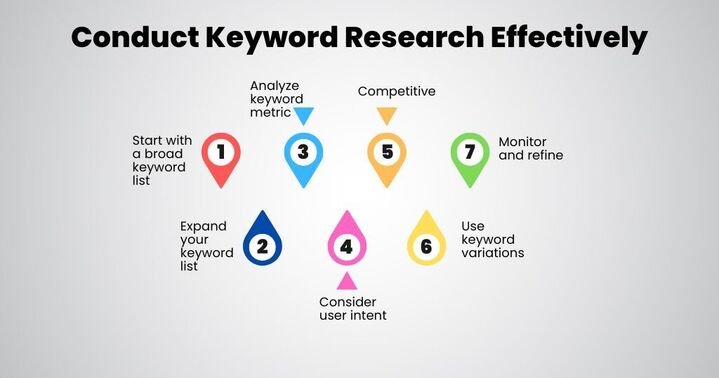
    1. Conduct Keyword Research Effectively

    Conduct Keyword Research Effectively

    Want to boost your e-commerce SEO?

    Start with smart keyword research!

    Knowing how to choose the keywords for an ecommerce brand is key to ranking higher and driving sales.

    First, find high-traffic, relevant keywords and understand what your audience is searching for.

    Ubersuggest is perfect for uncovering long-tail keywords—those hidden gems that lead to higher conversions.

    Just tweak the filters, analyze competitors, and boom—you’ve got a winning list! 

    No budget? No problem! Google Keyword Planner and Google Search Console help you discover easy-to-rank terms. Use these tools wisely, and watch your sales grow! 

    2. Optimize Product Pages to Rank Higher

    Optimize Product Pages to Rank Higher

    Want to boost your rankings and drive more sales? Let’s talk about eCommerce product page SEO practices —because a well-optimized page means better visibility and more conversions!

    Here’s how you can fine-tune your product pages:

    • Title Tags & Meta Descriptions – Keep titles within 60-70 characters, sprinkle in keywords, and make descriptions irresistible to increase CTR.
    • Headings & Product Descriptions – Use H1 for product names, H2 for details, and craft keyword-rich descriptions that highlight benefits.
    • Images & Reviews – Optimize image size, add alt tags, and encourage customer reviews to build credibility.
    • Links & CTAs – Smart internal linking and compelling CTAs help guide buyers and boost conversions.
    • Schema Markup – Implement product, review, and FAQ schema to enhance search visibility.

    3. Prioritize User-Friendly Design

    Prioritize User-Friendly Design

    A user-friendly site = better rankings!

    It’s not just about making your website visually appealing—it’s about smooth navigation, easy browsing, and keeping visitors hooked.

    And guess what?

    Google actually ranks UX as a factor, including Core Web Vitals like site speed and interactivity.

    • Want a stronger SEO game? Use breadcrumbs to help users (and Google) find their way. Keep URLs clean and keyword-rich for better sharing.
    • Ditch duplicate content! Unique descriptions + original images = better rankings.
    • Got 404 errors? Redirect them smartly to keep customers (and SEO value) intact. And for discontinued products? Guide shoppers to newer versions seamlessly!

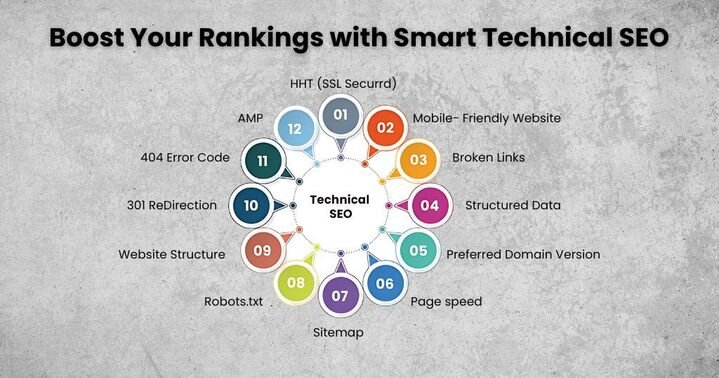
    4. Boost Your Rankings with Smart Technical SEO

    Boost Your Rankings with Smart Technical SEO

    Let’s be real—no matter how good your e-commerce site looks, if it’s slow, hard to navigate, or missing key security features, your rankings (and sales) will take a hit.

    Page speed is everything.

    Over half of users ditch a site if it takes more than three seconds to load.

    Want to speed things up?

    Compress images, reduce unnecessary scripts, and maybe even upgrade your hosting.

    A sitemap is your site’s roadmap.

    It helps search engines find all your pages.

    Use tools like Google’s Webmaster Tools or Lucidchart to set one up—it’s easier than you think!

    SSL certificates build trust. That little “https://” before your URL tells customers their info is safe. It might not skyrocket your SEO, but it’s a must-have for credibility.

    Fix these, and you’ll have a faster, safer, and more search-friendly site that keeps customers (and Google) happy! 

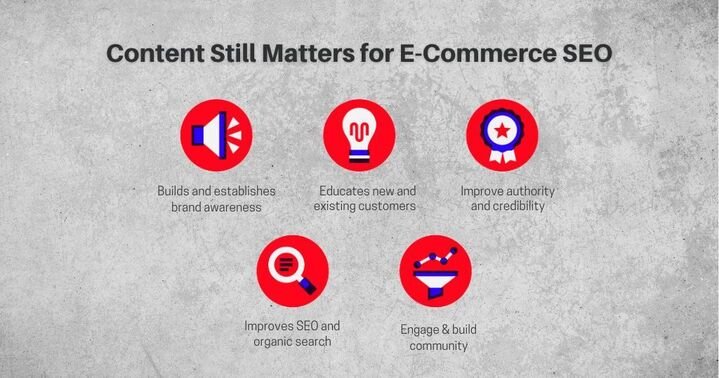
    5. Content Still Matters for E-Commerce SEO

    Content Still Matters for E-Commerce SEO

    Let’s be real—e-commerce isn’t just about flashy images and keyword stuffing.

    If you want to rank higher, attract customers, and build trust, ecommerce SEO content needs to be part of your game plan.

    A solid content strategy boosts organic traffic, strengthens your brand, and keeps your site relevant in search results.

    6. Social Media = More Eyes on Your Content

    Social Media = More Eyes on Your Content

    Social media might not directly impact SEO, but it sure boosts your visibility.

    More shares mean more exposure, better brand recognition, and even backlink opportunities.

    Tools like Buffer and Hootsuite make it easier to stay consistent and keep your audience engaged.

    At the end of the day, a smart mix of engaging content, audience insights, and social sharing will take your SEO for online retailers to the next level—helping you rank higher, reach more customers, and grow your brand.

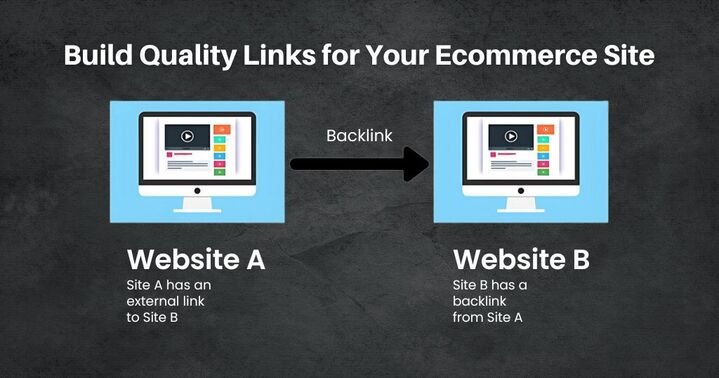
    7. Build Quality Links for Your Ecommerce Site

    Build Quality Links for Your Ecommerce Site

    Want to boost your ecommerce site’s credibility and rankings?

    Link building is the way to go!

    Quality backlinks tell Google your site is trustworthy, which means better visibility and more traffic.

    So, how do you get those all-important links?

    Try internal linking, guest posting, social media sharing, press releases, or even creating infographics and case studies.

    It takes time, but it’s worth it.

    One thing to avoid?

    Buying links.

    It might seem like a shortcut, but it can tank your rankings and hurt your site’s reputation.

    Stick to legit strategies, and your SEO will thank you!

    What Kind of Content Works Best?

    For SEO for online retailers, variety is key.

    You can’t just throw up a few product descriptions and call it a day.

    Think how-to guides, FAQs, product launch updates, customer testimonials, and user-generated content.

    Blogging?

    Absolutely!

    Comparison posts, gift guides, and product breakdowns help keep your audience hooked and drive sales.

    Know Your Audience, Create Better Content

    The secret to great content?

    Understanding your audience.

    Build buyer personas, analyze which content performs best, and tailor your strategy to match different stages of the buying cycle.

    And don’t forget A/B testing—because what works today might need a tweak tomorrow.

    To Bring It All Together

    Successful SEO for online store isn’t just about rankings—it’s about building visibility, trust, and sustainable growth.

    Optimizing your site with the right search terms, improving user experience, and refining your strategy over time can help your store stand out in a crowded marketplace.

    AI-powered ecommerce SEO intelligence tools analyze search trends, optimize keywords, and improve content rankings, helping businesses drive more organic traffic.

    Remember, SEO is an ongoing effort.

    As search trends evolve, so should your approach to keyword targeting and content optimization.

    Stay consistent, and adapt to changes, and your online store will continue attracting the right audience, driving traffic, and boosting sales!

  • Why is SEO Important for Ecommerce?

    Why is SEO Important for Ecommerce?

    Do you know that 39% of all eCommerce traffic comes from search engines?

    It demands the need for an effective eCommerce website.

    Search Engine Optimization helps your website get the top position in the search engine page results.

    Though SEO is a lucrative strategy to be implemented in websites and search engines, some people don’t recognize is SEO important for e-commerce websites.

    No matter your business, a solid SEO strategy helps draw people to your website.

    Search engine optimization determines the best, most popular, and most useful websites based on customers’ search terms.

    It’s no secret that focusing on SEO is essential since it contributes to rankings if you’re looking to get your website found on search engines.

    Ranking an eCommerce site is tricky since you need to optimize your keywords, ensure your website is user-friendly, check for lagging images, and so on.

    Even your interest in learning about eCommerce’s ins and outs helps optimize your website for effective SEO.

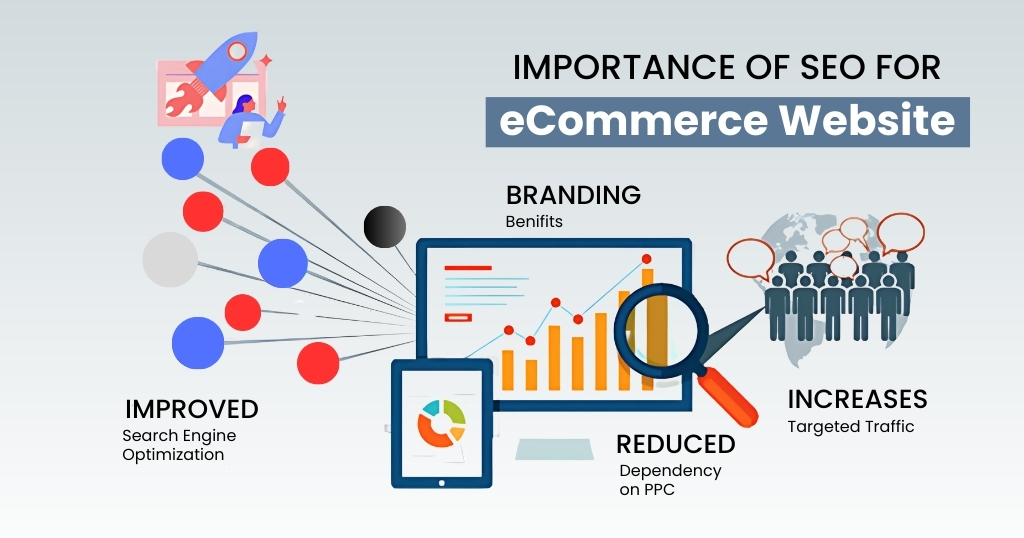
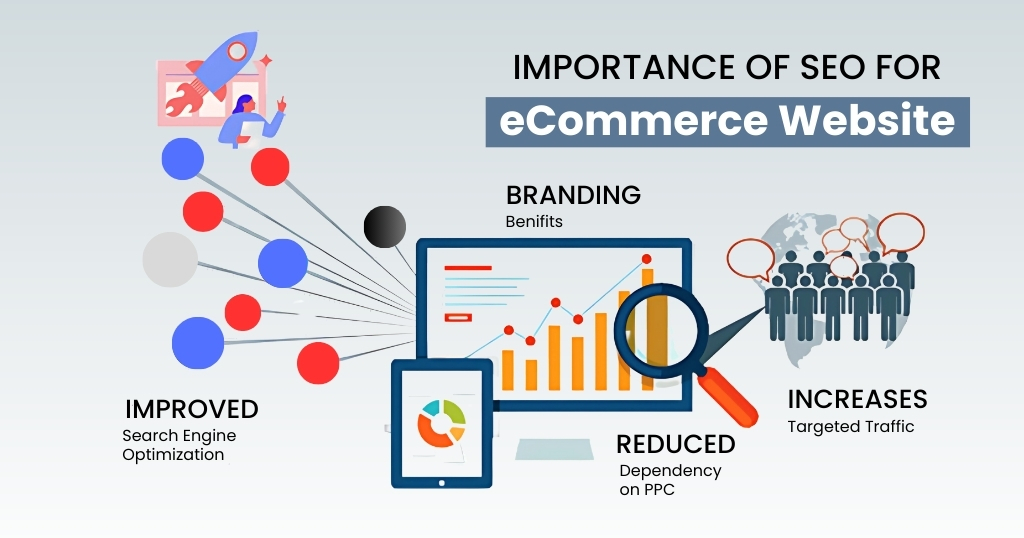
    importance of SEO for eCommerce website

    Understanding Ecommerce

    Ecommerce refers to the online purchase and sale of goods and services.

    The process is conducted through smart devices.

    E-commerce allows people to buy almost anything nowadays.

    It can be used in place of physical stores, though some companies prefer to keep both.

    E-commerce SEO is important & contribute significantly to global economic growth.

    What Does “SEO” Mean?

    Search Engine Optimization (SEO) helps people find your business online by making sure your website appears high up in the list of results for relevant searches.

    If you build your site with relevant content and target keyword you’ll attract more visitors who will then convert into leads and eventually sales.

    How Does E-commerce SEO work?

    E-commerce SEO is a marketing technique used to get more traffic to your store by making it more visible on search engine result pages (SERPs).

    A well-ranked page will receive more traffic, so you want your page to rank as high as possible.

    Unlike paid ads, which drive traffic to your web store by making you pay per click, SEO allows you to capture highly relevant traffic at virtually no cost.

    Search engines like Google, Bing, and Yahoo, all rank your web store based on SEO.

    To improve SEO on your web store, it’s important to pay attention to the content on your web store.

    It’s possible to improve the importance of SEO for e-commerce through comprehensive web store product pages, optimized product descriptions, by implementing a blog, or by running a technical audit of your website.

    For your web pages to rank higher in SERPs, you need to ensure your website is optimized for search engines.

    Here are a few examples on what this looks like:

    • The keywords you use to target pages
    • The technical setup of your web store
    • Whether your web store is mobile friendly
    • These all have an impact on your e-commerce SEO and whether or not your web pages will rank in SERPs like Google.

    Is there a Difference in Doing SEO in B2B E-commerce vs. B2C E-commerce?

    B2B SEO VS B2C SEO

    Though SEO in B2C and B2B e-commerce have the same outcome (increasing organic traffic), they do have some key differences:

    • Target Audience: While B2C SEO is targeted towards individual consumers, B2B e-commerce SEO content has to cater to a more formal audience, since their customers represent whole organizations.
    • Longer Buying Cycle: B2B is notoriously known for having longer buying cycles than in B2C. This also means that your customer may need more time, information and content before making a purchasing decision.
    • Goal: The goal of B2B SEO content tends to be educational/informational, while B2C SEO attempts to trigger a purchase.
    • KPIs: Since B2B and B2C have such different goals, their KPIs differ also. Whereas B2B SEO success is measured by lead generation, conversion rate, revenue and customer lifetime value, B2C SEO is more easily measured by traffic and average order value.

    Reasons Why is SEO Important for Ecommerce

    is SEO important for eCommerce

    The eCommerce industry is growing at a rapid pace, and it’s easy to see why.

    With the rise in popularity of online shopping, more people are looking for ways to buy products or services online.

    The good news is that eCommerce SEO is one of the most effective ways to boost your business.

    Ecommerce SEO offers many benefits for business owners:

    1. Enhanced Branding

    enhance your brand

    Brands that focus on their customers are more likely to succeed.

    An optimized website allows your brand to connect with its audience and provide value, thus increasing brand awareness.

    Adding Google’s Answer Box to your website can increase your SEO rankings and is a cost-effective way to create brand awareness.

    2. More Traffic & Sales

    Drive More Traffic & Sales

    Optimized websites tend to rank higher than non-optimized ones when it comes to search engines.

    This results in more visitors to your seo for online store by giving the SEO importance.

    With optimized e-commerce websites, you can attract more customers and increase sales.

    It also helps brands get organic traffic for free and it works!

    However, organic traffic isn’t just about getting more visitors from Google search results.

    You can also get organic traffic from other websites that link back to your website.

    Your organic search rankings can also increase if you are using target keywords and user-generated content for products and services offered by your business.

    Targeted traffic is a high-quality traffic generator through visitors actively searching for the products and services that your website offers.

    3. To Increased Conversion Rate SEO is important

    Increased Conversion Rate

    A well-designed website encourages users to make purchases.

    It makes the process easier by helping them navigate through the checkout process without having to leave the site.

    SEO helps fill the marketing funnel.

    It plays an important role in all stages of the funnel, such as

    • Awareness
    • Research
    • Action (purchase)

    It enables you to track shopper movement through keywords used by visitors and helps target the intent of the shopper.

    The content marketing strategy also plays a vital role through all stages of the funnel.

    A fully optimized web page serves as bottom-of-the-funnel content which is the action stage for conversion.

    4. Better Credibility

    Better Credibility

    Having a high-quality website helps establish trust between consumers and brands.

    Consumers feel comfortable buying from businesses that have been around for years.

    Having an eCommerce SEO strategy helps ecommerce seo agency become more responsive, publish quality content on the website, check for spam links, and use other social media platforms to promote their products and services.

    All these activities result in gaining the customer’s trust and becoming credible.

    5. Better Search Rankings

    Better Search Rankings

    If you want to be found quickly on search engines, you should optimize your website.

    Your website needs to be optimized to rank higher in search engine results pages (SERPs).

    The higher ranking of your web pages translates into more clicks and increased search traffic.

    6. Increased Customer Engagement

    Increased Customer Engagement

    The most important factor in the success of a customer engagement program is that it should be designed to increase customer satisfaction and loyalty.

    The most effective way to do this is by providing customers with an experience they will remember, which can only happen if your website is optimized.

    Websites with clear navigation and engaging type of content encourage customers to visit again and again. As a result, they become loyal customers.

    7. High-Value Content

    High-Value Content

    Businesses invest a considerable amount of time in keyword research for their target audience.

    However, content relevancy does not guarantee visitors to the website.

    Content marketing is required, a well-written SEO content helps attract potential customers and keep them engaged resulting in a sale.

    Using the SEO strategy the content of your website can be organized topic-wise to appear in search engine results.

    This process helps to get organic traffic from search engines.

    Creating helpful content is yet another technique for content optimization as it will keep the visitors coming back for more.

    8. Improved User Experience

    Improved User Experience

    The world of eCommerce is changing rapidly.

    The days when you could buy a product and have it delivered to your door are long gone.

    Today, the customer can browse an online catalog of products from all over the world and make their choice based on price, quality, and convenience.

    If they like what they see, they can place an order directly from the website.

    With this change in buying behavior, your website must provide the best possible experience for your customers.

    Your website needs to be user-friendly, fast-loading, and responsive so that your customers don’t abandon the site before making a purchase.

    Choosing the right keywords and answering visitors’ queries helps customers have a positive user experience.

    9. Reduced Customer Acquisition Cost

    Reduced Customer Acquisition Cost

    The customer acquisition cost is calculated for different time frames like monthly, quarterly, and yearly.

    It gives a clear picture of which marketing strategy is working and which one is not.

    It is a constant tug of war to keep the CAC low.

    SEO helps get visitors organically, thus reducing the cost incurred for Google Ads and social media advertising.

    The basis of SEO is to create helpful content and positive user experiences to make customers take the desired action.

    10. Digital Growth

    Digital Growth

    The best advantage of SEO is that the traffic generated can be used to power other marketing efforts.

    By placing cookies on the landing page products can be remarketed.

    The information captured through the cookies enables showing ads to the visitors even when they leave the website.

    Hence SEO enables digital growth without the need for paid advertising and a huge marketing budget; by just diverting the SEO-generated traffic to other marketing channels.

    11. High Return on Investment

    High Return on Investment

    If you are still uncertain about the importance SEO for your website, let me tell you that it has a high return on investment and that too for the long-term.

    Paid advertisement stops the traffic flow once the budget is over.

    But SEO gives lasting results, as the traffic in-flow continues year after year.

    What are the Challenges of E-commerce SEO?

    The challenges that many companies overlook when optimizing their e-commerce SEO are:

    1. Lack of Quality Content

    The biggest problem with optimizing e-commerce SEO is that some sites try doing so quickly and forget that it’s not just about the quantity of content.

    It’s about the quality of the content.

    Your product pages can’t just be a copy-paste of the manufacturers’ description, they need to be concise descriptions accompanied by pictures.

    For organizations focused on B2B e-commerce SEO, it’s tempting to check all the technical requirements for strong SEO and neglect the most necessary component: unique content that adds value for visitors.

    Content is the biggest ranking factor for SEO and is vital for a successful long-term strategy.

    2. Forgetting About the Technical Setup

    Although content is king, you can’t forget about your technical SEO setup. Things like HTTPS, mobile-friendliness, page speed, indexation, XML sitemap are often forgotten about.

    Conclusion

    In conclusion, SEO is a crucial part of any eCommerce business’s digital marketing strategy.

    By optimizing your website for search engines, you can increase traffic, improve user experience, increase sales, and gain a competitive advantage over your competitors.

    If you are not investing in SEO for your eCommerce business, you are missing out on a significant opportunity to grow your business online. 

    FAQs

    1. Can I do SEO on my own?

    It is possible to do SEO on your own.

    However, using the right strategies can lead to increased traffic, website penalization, and lost business.

    Doing it yourself can be very time-consuming and challenging.

    It is essential to have a good understanding of search engine algorithms to optimize your website and content.

    It’s best to enlist the help of a professional with SEO experience.

    They will be able to provide you with guidance and advice and execute your marketing strategies on your behalf.

    If you decide that hiring a professional is not for you, many free tools available online can help you get started with SEO.

    These include SEOMoz’s MozBar, Ahrefs’ Site Explorer, Ubersuggest, and SEMrush’s toolbar.

    Make sure to experiment with different techniques and try out different keywords until you find the ones that work best for your website.

    2. How important is SEO for e-commerce?
    SEO is an essential part of online marketing, and it can play a significant role in the success of an e-commerce business. Optimizing the website for search engines can attract more traffic, leading to higher conversion and increased sales. In addition to attracting new customers, good SEO helps the website rank high on Google when users are looking for specific keywords or products. It boosts visibility and builds trust with potential buyers considering buying.
    3. Which is better for eCommerce on-page SEO or link building?
    On-page SEO and link building are essential aspects of any online marketing campaign. It can be helpful to combine them to maximize results. SEO can help target potential customers with relevant content that has been well-researched and written. In contrast, link building can help you generate quality links that will improve the website’s ranking in search engines. Both strategies have their strengths and weaknesses, so it is essential to pick the right approach for your business.
    4. Can SEO help increase conversions on an e-commerce website?
    Yes, SEO activity impacts conversions on an e-commerce website. Optimizing the website for relevant keywords and enhancing user experience, SEO helps attract targeted traffic and increase conversions. High search engine rankings build trust and credibility. This positively influences purchase decisions. Optimization of product pages, good product descriptions, optimized and well-researched calls-to-action(A/B test), and easy checkout also improve conversions.
    5. Is SEO an ongoing process for e-commerce websites?
    Yes, SEO is an ongoing process for e-commerce websites. Search engine algorithms constantly change, competition also changes, and consumer behavior shifts. It is essential to monitor and analyze the website’s performance regularly, track keyword rankings, update product pages, create fresh content, etc., to stay ahead of the competitors. By staying proactive and consistently optimizing the e-commerce website, one can keep the ranking intact and stay ahead of the competition.