Ecommerce marketing agency in Melbourne built for Victorian brands.
Melbourne shoppers compare, then buy from the store that answers first. Search, speed and checkout decide which store that is.
From Fitzroy labels to Geelong homewares retailers, Victorian stores chase the same Google.com.au results as national chains.
An ecommerce marketing agency in Melbourne grows revenue by running SEO, conversion and development as one programme. EcomOptix serves Victorian stores remotely on AEST hours with collection-page SEO, checkout fixes and Shopify or WooCommerce speed work, measured as attributed revenue in the store’s analytics. The first step is a free growth analysis: a recorded video teardown, a revenue-leak map and the first three fixes, in about three business days.
What makes ecommerce marketing in Melbourne harder than average.
Six failure patterns show up in most Melbourne stores we review:
Clicks priced by national budgets
Melbourne fashion, beauty and food brands bid against national chains on Google and Meta. Without organic rankings, every rise in cost per click comes out of margin.
Category pages that never rank
Collingwood and Brunswick labels sell in crowded categories. Collections without search-led names, indexable filters and category copy hand those queries to marketplaces.
Product pages that skip the comparison
Melbourne buyers compare sizing, delivery and returns across open tabs. Pages that bury those answers or load slowly on mobile data lose the sale to a rival.
Collections built for the shopfront
Chapel Street and Bourke Street retailers often copy the floor layout online. Shoppers search by category and qualifier, not by range or season name.
Afterpay and Zip hidden until payment
Shoppers who budget around instalments leave when Afterpay and Zip first appear at the payment step instead of on the product page.
Delivery promises written for metro Melbourne
One shipping estimate misleads Geelong, Ballarat and interstate buyers. Australia Post zones differ, and a page that cannot say when an order arrives there loses it.
How an ecommerce growth agency in Melbourne plans for one state, many markets.
Fitzroy, Collingwood and South Yarra brands compete in the busiest paid auctions, so rankings and conversion rate decide margin. Outer-suburban retailers run showrooms and online carts together. Geelong, Ballarat and Bendigo merchants sell statewide, often on older platforms with search equity to protect.
Each profile needs its own mix of build, speed and search work, planned in one roadmap. Ecommerce SEO for Australian stores anchors it, because migrations, speed fixes and conversion tests all depend on the pages that already rank.
What our ecommerce agency in Melbourne delivers, service by service.
Ecommerce SEO
Collection architecture, filter indexation rules, internal links and category copy written for Google.com.au, so Victorian shoppers land on your category page, not a marketplace.
Ecommerce SEO →Shopify SEO
Duplicate /collections/ product paths, theme canonical and title defaults and app bloat fixed, so a Shopify catalogue ranks by category.
Shopify SEO →Conversion optimisation
Product page, cart and checkout research, including Afterpay and Zip messaging and delivery costs shown before payment, then tests where traffic can read a result.
CRO service →Shopify development
Theme builds and repairs with SEO and conversion rules written into templates and a staging workflow, so new sections never undo ranking work.
Development →Shopify migration
Moves from WooCommerce, Magento, BigCommerce or Neto to Shopify with a URL-by-URL redirect map and rankings checked through launch week.
Migration →Speed optimisation
Core Web Vitals field data, app scripts, images and theme code trimmed for shoppers on mobile data, where slow product pages waste paid clicks.
Speed work →Paid growth on Google and Meta runs alongside, measured on contribution margin rather than ROAS alone.
On WordPress? WooCommerce development for Australian stores covers the same ground. Agencies needing build capacity under their own brand use white label ecommerce development.
How long does ecommerce marketing take for a Melbourne store?
Every engagement starts with a free growth analysis request. Catalogue size and platform decide where each band lands.
Teardown and baseline
Store, Search Console and GA4 reviewed against the Victorian competitors taking your orders, with revenue baselines captured. First 1–2 weeks.
Roadmap by revenue
Collection, product-page, checkout and speed fixes ranked by revenue impact into one shared plan. Weeks 2–4.
Weekly releases
Fixes tested on staging, then released weekly around sale periods such as EOFY and Click Frenzy. From month 1.
Revenue reporting
Attributed revenue, orders and conversion rate reported monthly in your own GA4. First meaningful movement typically in 30–90 days.
Quarterly reinvestment
Effort shifts toward the collections and channels the data proved. Quarterly from month 3.
Is a Melbourne ecommerce marketing company the right fit for your store?
Three kinds of Victorian store fit well; three are better served elsewhere.
Fashion and beauty labels
Apparel, skincare and cosmetics brands whose buyers search by size, shade and ingredient. Start with fashion SEO for Australian labels. Skincare stores follow beauty and cosmetics SEO.
Jewellery and food brands
Jewellers selling on certification and trust use jewellery store SEO. Producers shipping perishables use food and beverage SEO.
Furniture and homewares retailers
Showroom-plus-online retailers with large catalogues, freight quotes and long buying cycles follow furniture store SEO.
Not for stores without sales yet
A store still proving demand needs product and pricing work first. Sell through a season, then ask for the analysis.
Not for guaranteed rankings
No honest agency can promise page one by a date, because Google is not for sale.
Not for lowest-price shoppers
Engagements are quoted flat and monthly after the analysis. If the cheapest quote decides the hire, another provider will suit better.
How our ecommerce SEO agency in Melbourne differs from a typical agency.
The differences Melbourne store owners ask about first. Every specialist involved is listed on the EcomOptix team page.
| What matters | Typical agency | EcomOptix |
|---|---|---|
| Channels | SEO, ads and development sold by separate teams | SEO, conversion, development and paid growth on one roadmap |
| Collections | Named after in-store ranges and seasons | Named after what Victorians type into Google.com.au |
| Checkout | Afterpay and Zip left at the payment step | Instalment options shown on product pages and in the cart |
| Delivery | One metro Melbourne estimate on every page | Delivery answers for regional Victoria and interstate postcodes |
| Reporting | Rankings, impressions and traffic | Attributed revenue and orders in your own GA4 |
| Terms | Twelve-month contract | Month-to-month, every account in your name |
What proof should a Melbourne ecommerce agency show before you hire?
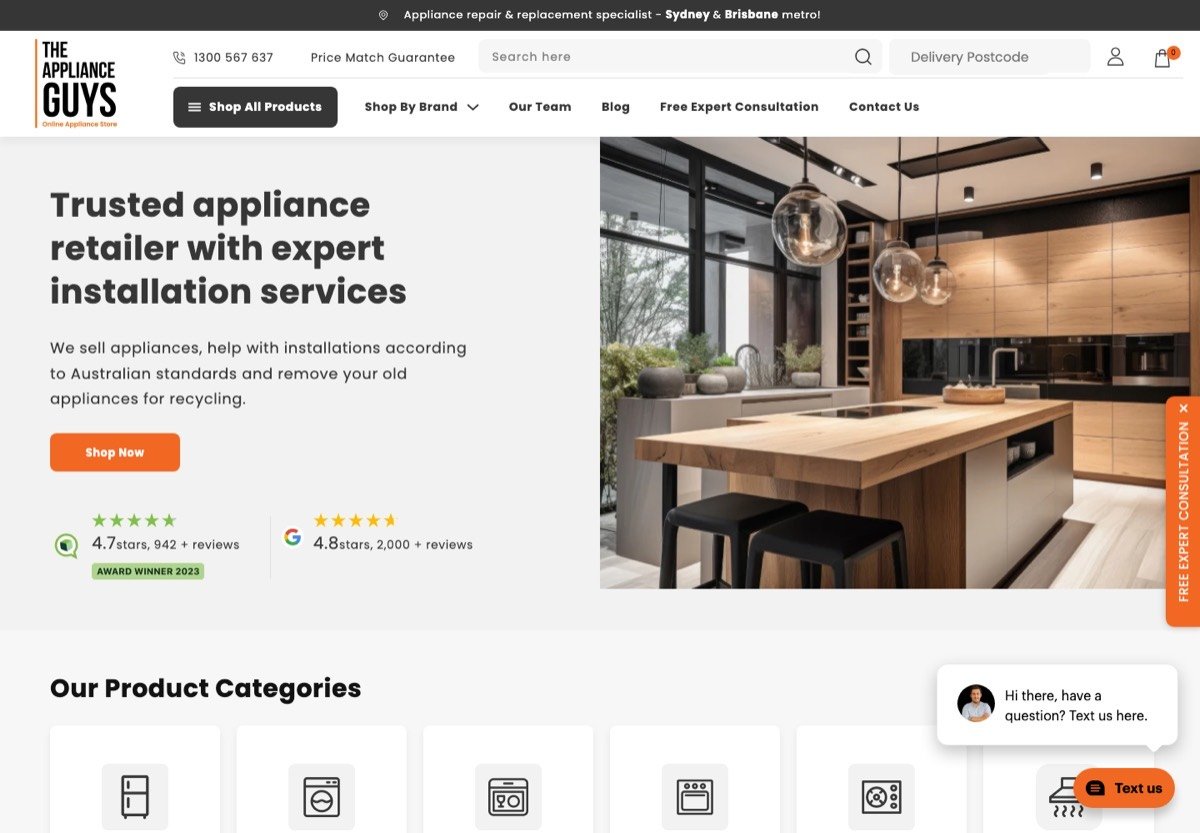
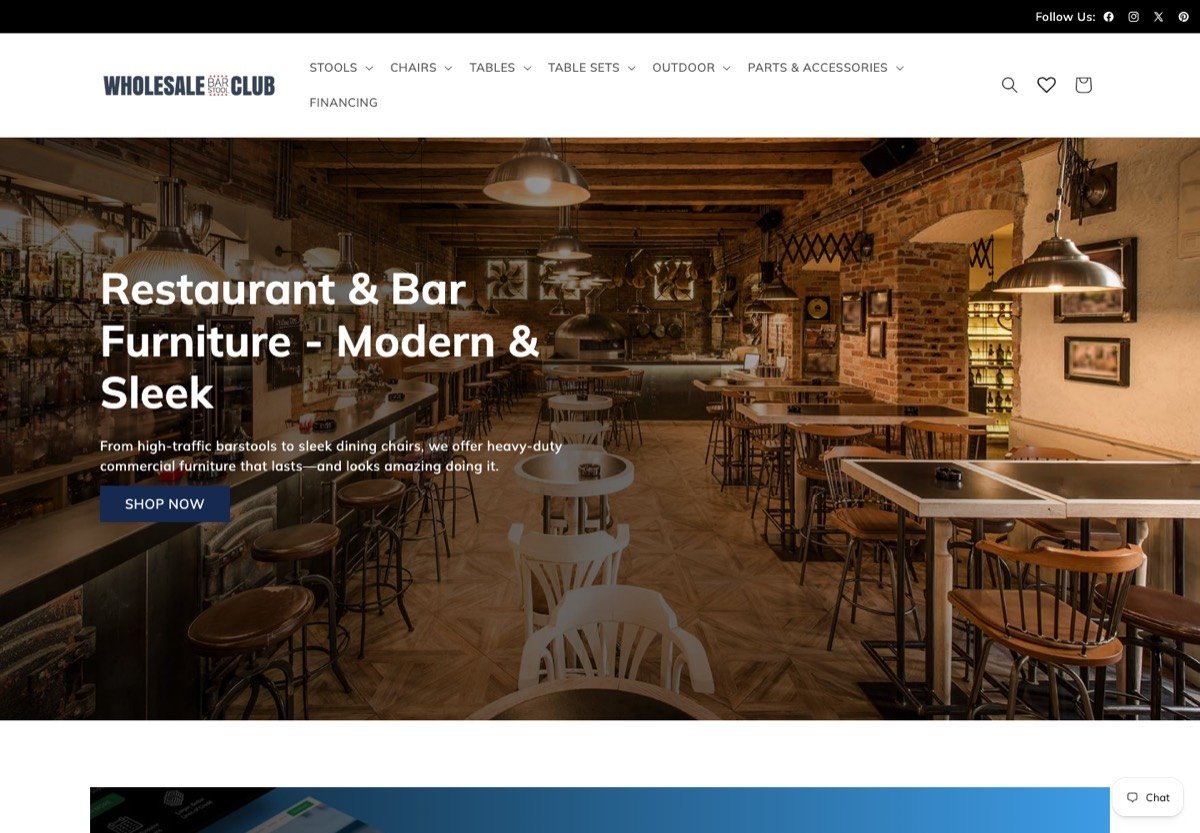
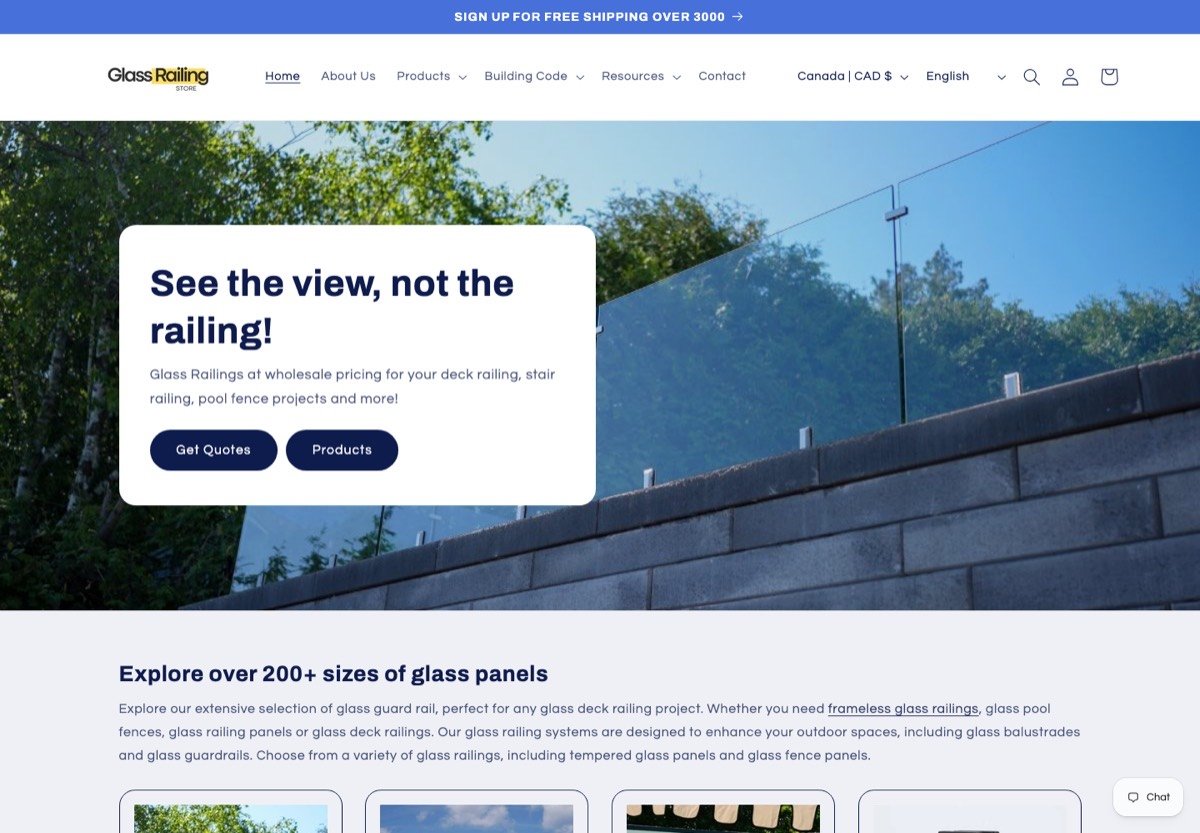
Ask any agency for live dashboards, not screenshots. The client stores below are labelled by market, not presented as Melbourne work. Ecommerce results and client case studies hold on-camera testimonials and the published measurement standard.
Selling beyond Victoria? Other Australian markets we plan for.
EcomOptix works with Melbourne stores remotely as part of an Australia-wide ecommerce marketing agency, so interstate sellers get one plan, not one agency per state.
Each city is analysed on its own terms. NSW retailers facing national chains read ecommerce marketing for Sydney stores. Queensland brands start with Brisbane ecommerce marketing. Coastal lifestyle labels fit Gold Coast ecommerce marketing. Hunter region stores use Newcastle ecommerce marketing. South Australian stores on ACST read ecommerce marketing in Adelaide. Stores working across the AWST gap see Perth ecommerce marketing.
What to check before you hire a Shopify agency in Melbourne.
Senior strategists only
The specialists who plan the work also do it, with no junior handoffs.
Revenue-first reporting
Reports start from a baseline captured before work begins and trace change to orders.
No lock-in contracts
Month-to-month. Store, analytics, ad accounts and content stay in your name.
AEST business hours
Monday to Friday, 9am to 5pm AEST, with replies within one business day.
What Melbourne store owners ask an ecommerce digital marketing agency.
What is the best marketing for a Melbourne ecommerce business?
For a Melbourne store that already sells, the best mix is usually organic search plus conversion work, with paid ads capturing demand already earned. In crowded fashion, beauty and food auctions, category rankings and a checkout that converts protect margin as click prices rise.
What is the best platform for selling products online in Melbourne?
Shopify suits most Melbourne stores wanting a hosted platform with Afterpay, Zip and Australia Post apps ready to install. WooCommerce suits brands that want to own their WordPress code and hosting. Catalogue size, integrations and maintenance decide it, and the growth analysis covers each.
How much does an ecommerce marketing agency cost in Melbourne?
Cost depends on scope, so there is no public price list. Platform, catalogue size, competition and whether the work is implemented or advisory move the number. EcomOptix quotes every engagement flat and monthly in AUD after the free growth analysis, month-to-month with no lock-in.
Should a Melbourne store hire a local agency or an ecommerce specialist?
Ecommerce specialism matters more than a Melbourne postcode. A generalist spreads attention across many industries, while an ecommerce specialist knows collection architecture, checkout behaviour and platform limits. EcomOptix works with Melbourne stores remotely on AEST hours, and every analysis maps the Victorian competitors taking your orders.
What services does an ecommerce marketing agency in Melbourne offer?
A full-service agency covers search, conversion, development and paid media. EcomOptix delivers ecommerce SEO, Shopify SEO, conversion rate optimisation, Shopify development, Shopify migration and speed optimisation, with paid growth on Google and Meta planned alongside. WooCommerce stores get SEO, conversion and development work on WordPress.
Is SEO or paid ads better for Melbourne ecommerce brands?
Neither wins alone: paid ads buy sales now, while SEO builds sales that keep arriving after spend stops. Established Melbourne brands usually keep Google and Meta ads running while category pages start to rank, then shift budget once organic movement shows, typically within 30 to 90 days.
See where your Melbourne store leaks orders, and the first three fixes on video.
A senior strategist records a video teardown of your store, maps revenue leaks against Victorian competitors and ranks the first three fixes by revenue impact. Expect it in about three AEST business days, with no card and no sales call.
What you get, free
- A recorded video teardown of your store
- A revenue-leak map ranked by impact
- The first three fixes, in about three business days
Free, no card · No sales call · Findings first, then you decide