Furniture Store SEO services · Australian ecommerce brandsFurniture store SEO for Australian retailers with high-ticket buyers.
Furniture store SEO in Australia ranks a furniture catalogue across the whole buying journey, not just product names. EcomOptix, an ecommerce marketing agency for Australian stores , rebuilds room and style collections, deepens high-ticket product pages and publishes freight and returns content, measured as attributed organic revenue in your own analytics. The first step is a free growth analysis delivered in about three business days.
- A clear starting point
- Free, and yours to keep
- Implementation by our team
★★★★★ 4.9 / 5 · Manoj’s Upwork rating · Top Rated Plus
Good products.
Missed search opportunities.
For furniture and home stores, growth depends on how well your catalogue, technical setup, and product information support discovery.
Buyers cannot find the right page
Search demand and your category structure may not line up. We look for the commercial pages that are missing, weak, or difficult to reach.
Technical complexity hides useful products
Filters, product variants, and duplicate pages can make a furniture catalogue harder to navigate and crawl. We identify what is getting in the way and prioritise practical fixes.
Activity is hard to connect to orders
Rankings and traffic need context. We review meaningful conversions and revenue alongside the work completed, with attribution limits explained.
Some buyers search.
Others ask. Be easier to discover.
“Oval oak dining table” on Google. “What dining table works in a small apartment?” in ChatGPT. We help furniture stores build useful collection pages and clear product information for both search and AI-assisted discovery.
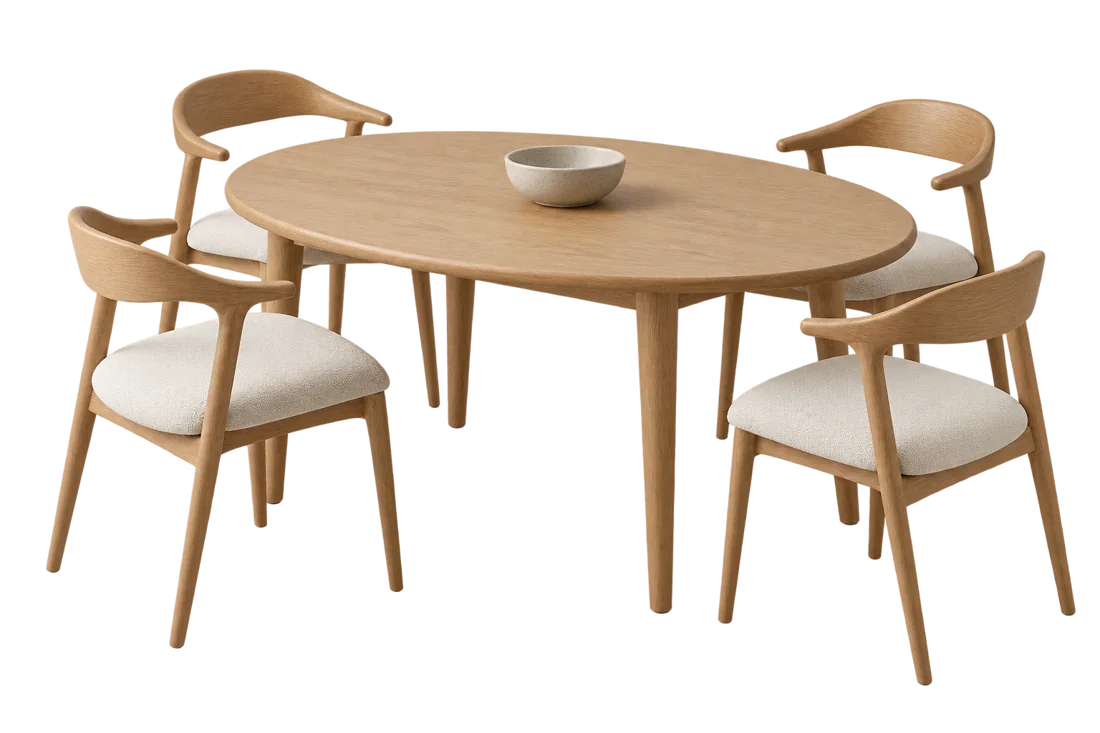
Oak dining tables, organized for the way buyers shop.
Relevant collections with helpful details on shape, seating, and materials.
Connect buying-intent searches to pages that help shoppers compare and choose.
Compare the table’s dimensions with your room, allow space to pull out chairs, and check seating capacity. Look for clear material and delivery details before choosing.
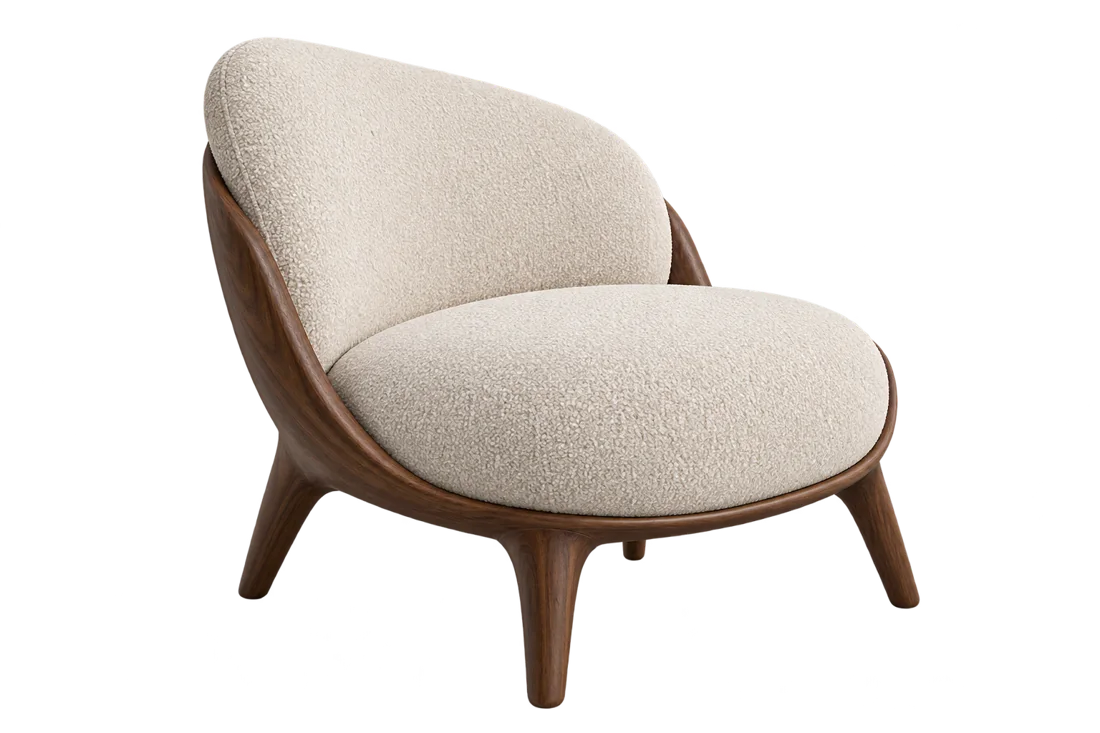
Make your expertise and product information easier for answer engines to access and reference.
Match the search.
Build relevant collections, strengthen internal links, and address technical barriers.
Answer the question.
Explain fit, materials, care, and delivery in helpful product content and buying guides.
Support AI discovery.
Review crawler access, consistent product facts, and available AI referral data.
One connected approach: search engine optimisation (SEO), answer engine optimisation (AEO), and generative engine optimisation (GEO).
Discuss my search visibilityIllustrative journeys, not actual Google or ChatGPT results. Search rankings, AI mentions, citations, and referral traffic are not guaranteed.
Furniture Store SEO.
Prioritised for your store.
Six workstreams, sequenced around your starting point, your team, and the agreed scope.
Find my first opportunityRoom and style collection architecture
A collection map built the way Australians shop furniture: by room, by style, by size and by material, so ‘dining table for a small apartment’ and ‘coastal outdoor lounge setting’ each land on a page that answers only that query, with faceted filters kept crawlable instead of duplicated.
High-ticket product pages
Every product page answers what stalls a four-figure decision: exact dimensions and doorway clearance, timber, frame and fabric composition, care and warranty, assembly, and what freight costs to the buyer’s state. Product and review schema ship with the copy.
Research-phase buying guides
The comparisons buyers read for weeks before they spend: fabric against leather in a family home, hardwood against veneer, sizing a rug to a room, furnishing a narrow terrace or apartment. Each guide links down to the collections and products that answer it.
Visual search and AI answer visibility
Furniture is chosen with the eyes. We name, compress and caption images for Google Images and Lens, structure product and FAQ data so it can be retrieved cleanly, and build the entity coverage that gets a brand named in AI Overviews, ChatGPT and Gemini shopping answers.
Freight, delivery and returns content
Delivery is the last objection in Australian furniture. We publish state-by-state freight expectations, room-of-choice and assembly options, lead times on made-to-order pieces, and a returns process written for bulky goods — then surface it where the buyer is deciding, not in a policy page.
Revenue reporting in AUD
Organic sessions matched to orders in your own analytics and weighted by average order value, so a lift on one dining collection reads in AUD rather than impressions. Reported monthly against a baseline agreed before any work starts.
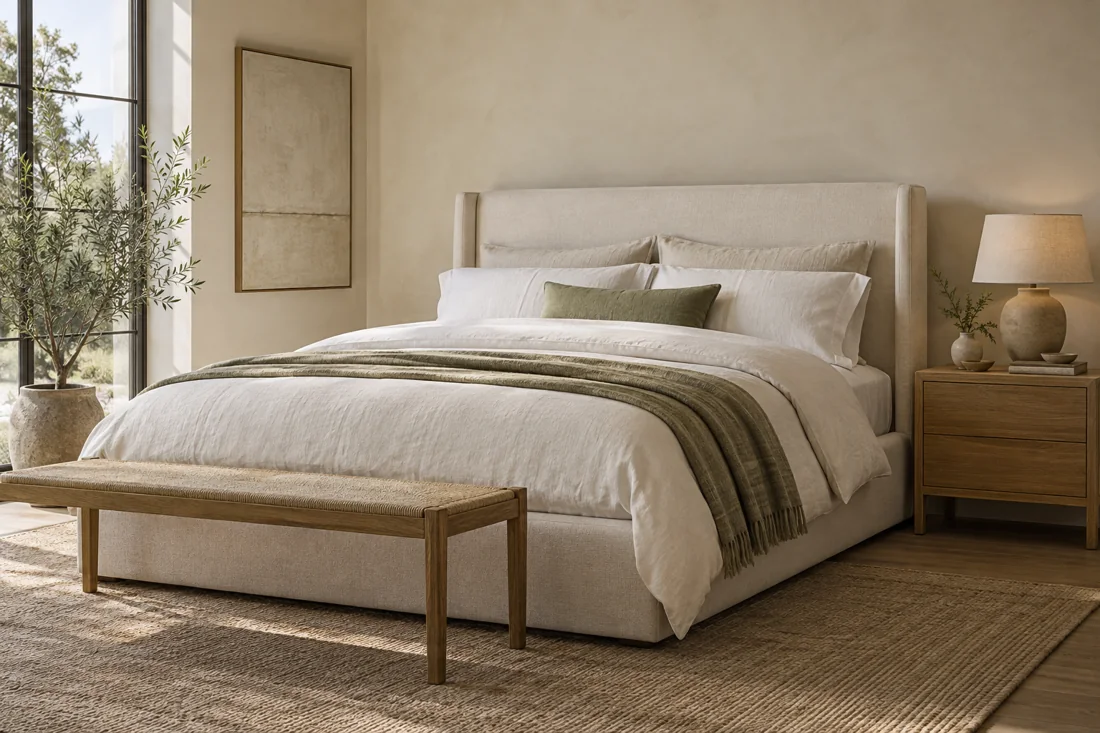
They like the look.
Give them the details to decide.
Will it fit the room? How does the fabric hold up? What will delivery involve? A beautiful photo gets attention. Clear answers help a shopper take the next step.
Remove the guesswork.
Make dimensions, finishes, upholstery options, and care instructions easy to find and compare.
Explain what happens after checkout.
Put delivery options, lead times, assembly, and return information where shoppers need them.
Make the buying path clear.
Help customers choose an option, ask a product question, or request a quote without hunting for the next step.
Build the foundations.
Improve, measure, adapt.
Foundation
- Technical diagnosis and agreed priorities
- Search demand mapped to commercial pages
- Baseline reporting across search analytics and store data
Milestones are agreed around your starting point and scope.
Momentum
- Collection rebuilds and new collection pages
- Product page rewrites on best sellers
- Review implementation and customer journeys
Milestones are agreed around your starting point and scope.
Compounding
- Buying-intent content linked into collections
- Improve clear, useful product information
- Double down on the pages that earn
Milestones are agreed around your starting point and scope.
Some technical and conversion improvements can help existing traffic sooner. Organic acquisition typically takes several months. Competition, catalogue complexity, and implementation pace shape the timeline; these stages are not guaranteed monthly outcomes.
Find your next search opportunity.
Know what to work on first.
Get a video walkthrough of your furniture store’s search performance and the pages worth improving. We compare your store with relevant competitors and prioritise the work by likely impact and effort.
- 1Searches worth competing forWhere your collections could better match what buyers are looking for.
- 2Collection and product page gapsMissing information, unclear navigation, and opportunities to help buyers choose.
- 3Technical SEO prioritiesIndexing, duplicate pages, filters, and image-heavy page speed.
- 4AI search visibilityHow accessible and useful your product information is for AI-assisted discovery.
- 5Your next three prioritiesA practical starting point, whether you work with us or your own team.
The analysis is yours to keep. If the opportunity looks limited, we’ll explain why.
Let’s look at your store.
Share your website and what you want to improve. Start with a call or send your details—whichever works for you.
Get my free growth analysis- 1Tell us what’s getting in the way.Send your store URL and your main question.
- 2We review the opportunities.We look at your store, search visibility, and relevant competitors.
- 3Leave with a clearer next step.Understand the priorities before deciding on further work.
Free analysis. No card required. Any proposed work and pricing are discussed before you commit.
Furniture store SEO questions Australian retailers ask.
How much does furniture store SEO cost in Australia?
It is scoped after the analysis, not before it. What moves the price is catalogue size, platform, how competitive your rooms and styles already are, and whether we implement in the store or advise your team. Engagements are flat monthly and month-to-month. The number arrives with the free growth analysis, once there is something real to price.
How long does furniture store SEO take to show results?
First meaningful movement is typically 30 to 90 days. Long-tail dimension, material and delivery queries move first, because those pages are new and the competition for them is thin. Room and style collection terms usually build over three to six months, then compound, since a guide to sizing a rug or choosing a sofa fabric stays useful for years.
Should furniture category pages be organised by room or by product type?
Both, with one primary path and the other as cross-links. Product type carries the head terms such as dining tables or bed frames, while room and style pages catch how people describe the job: small living room lounge, coastal outdoor setting. We make one set the canonical structure, keep filters crawlable only where they map to real demand, and link the two together.
How do you optimise furniture product pages with a long consideration cycle?
By answering on the page everything that would otherwise send the buyer elsewhere to check. Exact dimensions and doorway clearance, timber, frame and fabric detail, warranty and care, assembly, lead times on made-to-order pieces, and what freight costs to their state. Product schema, real photography and answered customer questions sit alongside it, so the page holds up across weeks of comparison.
Does Australian furniture regulation affect product page content?
Yes, and it belongs in the content plan. This category carries mandatory information duties in Australia, including toppling-furniture safety information, alongside consumer-law rules on pricing claims and warranties. We write product and collection content that accounts for them and flag where your own legal or compliance adviser should sign off. We do not give compliance advice ourselves.
Can a furniture store rank in Google Shopping and AI answers without paid ads?
Partly, yes. Free product listings are available through Google Merchant Center, so a clean, complete feed can surface without ad spend, although paid placements still hold the most visible slots. AI answers work differently again: assistants pull from structured product data, well-sourced buying guides and third-party mentions, which is what the schema and content work is built to supply.
How is furniture SEO different from general ecommerce SEO?
The cycle and the objection. A furniture buyer researches for weeks across style, room, material and delivery queries before committing four figures, so ranking for the product name alone misses almost the entire journey. Bulky freight adds a trust objection most categories never have to answer, and the catalogue keeps changing shape as ranges are discontinued and replaced.
How do you handle SEO for out-of-stock or discontinued furniture lines?
Keep the page where demand still exists, redirect it where it does not. A discontinued sofa people still search for keeps its URL, states its status plainly and links to the current equivalent; a line with no demand and no successor is redirected to its collection. Deleting them outright throws away links and rankings the catalogue has already earned.
Shoppers are searching for what you sell. Someone else ranks.
A senior strategist maps the furniture searches your store is losing, what those missed orders cost monthly, and the first fixes that recover them — free, recorded in plain English, in about three business days.
What you get, free
- A recorded video teardown of your store
- A revenue-leak map ranked by impact
- The first three fixes, in about three business days
Free — no card · Findings first, then you decide · The findings are yours either way