Ecommerce SEO services · Australian ecommerce brandsEcommerce SEO agency for Australian stores, built to grow orders.
EcomOptix is an ecommerce SEO agency for Australian stores: we fix crawl and canonical rules on faceted URLs, rebuild collection architecture around how Australians search, and optimise product pages. Success is measured as attributed organic revenue in your own analytics. The first step is a free growth analysis: a recorded video teardown, a revenue-leak map and the first three fixes, in about three business days.
- A clear starting point
- Free, and yours to keep
- Implementation by our team
★★★★★ 4.9 / 5 · Manoj’s Upwork rating · Top Rated Plus
Good products.
Missed search opportunities.
For online stores, growth depends on how well your catalogue, technical setup, and product information support discovery.
Buyers cannot find the right page
Search demand and your category structure may not line up. We look for the commercial pages that are missing, weak, or difficult to reach.
Technical complexity hides useful products
Filters, variants, and duplicate pages can make a catalogue harder to navigate and crawl. We find the barriers and prioritise the fixes.
Activity is hard to connect to orders
Rankings and traffic need context. We review meaningful conversions and revenue alongside the work completed, with attribution limits explained.
Some shoppers search.
Others ask. Help both find you.
Some shoppers know what they want. Others need help deciding. Give both a useful place to land, whether they start with a Google search or a question in an AI assistant.
Olive Suede Sneakers | Your Store
Explore olive and cream sneakers. Compare materials, available sizes, and delivery options.
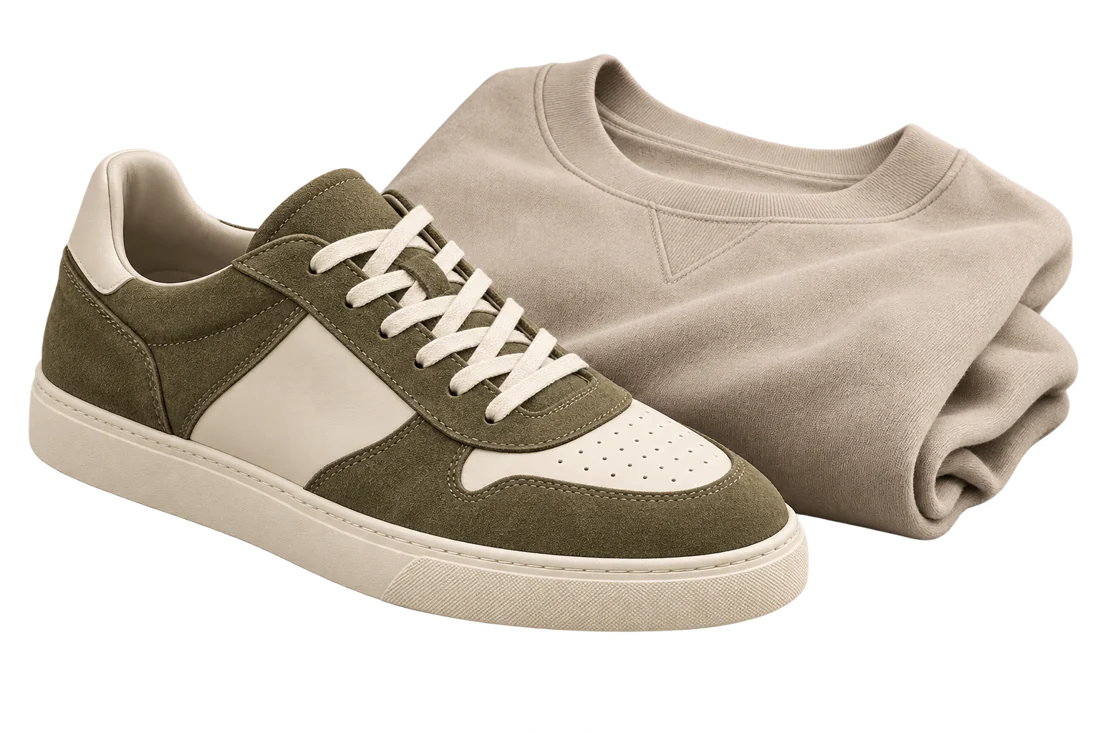 Find the collection.
Explore the products.
Meet the shopper’s search.
Help relevant collections and products become easier to discover in Google Search, with pages that make comparing and choosing straightforward.
I need a small bedside lamp with a warm glow. What would you recommend?
A compact dome lamp is one option to consider. This ceramic design could suit the look you described. Check its dimensions and bulb details to make sure it fits your space.
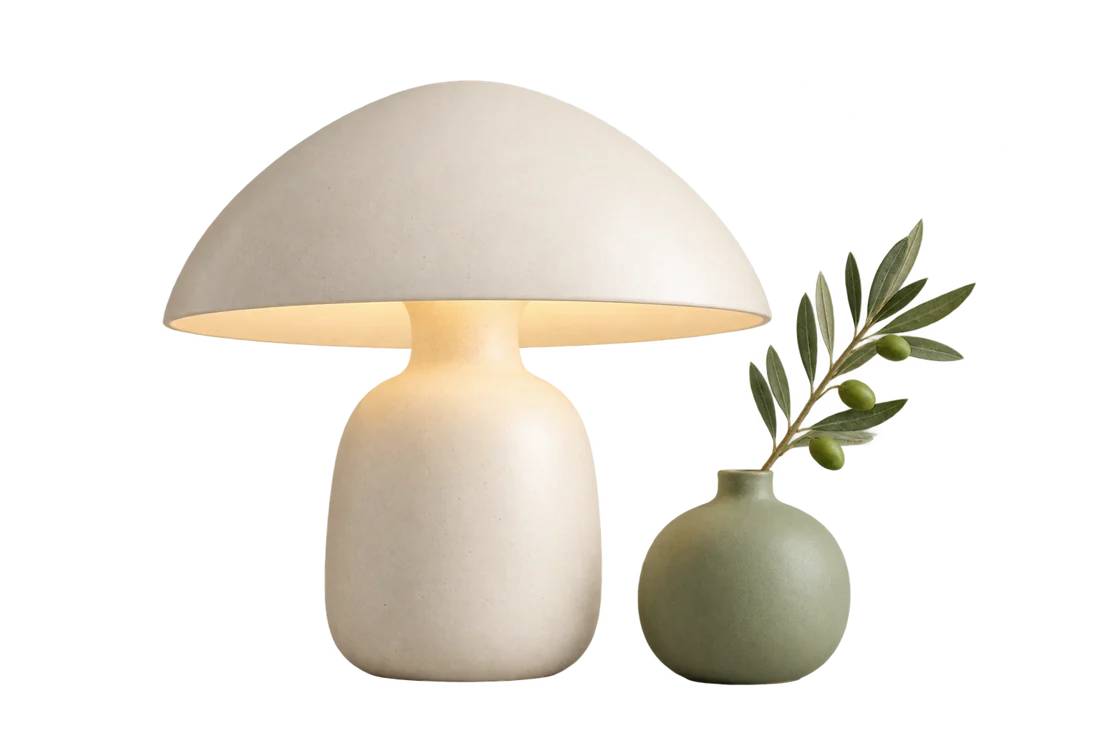
Be useful in the answer.
Give AI assistants accessible product facts and helpful buying advice they can reference when shoppers ask for options.
Concept mockups, not real Google or ChatGPT results, endorsements, or promised placements. Product imagery is illustrative; search rankings and AI recommendations are not guaranteed.
The right entry point.
Match relevant searches with collections and products worth landing on.
Answers before the hesitation.
Make product details, comparisons, and delivery information easy to understand.
A clear next step.
Remove confusing paths between choosing a product and buying or getting in touch.
Ecommerce SEO.
Prioritised for your store.
Six workstreams, sequenced around your starting point, your team, and the agreed scope.
Find my first opportunityCrawl and indexation control
Faceted and parameter URLs brought under an explicit rule set: what is crawlable, what is canonical, what is disallowed. Pagination that resolves, sitemaps that match the live catalogue, and new products indexed in days rather than weeks.
Collection architecture
A category tree mapped to the words Australians actually type into Google.com.au, so one collection owns one buying intent instead of five thin pages competing for it, with the internal links that push authority from products back up to the collection.
Product and variant page SEO
Titles, specifications, unique descriptions, image alt text and Product schema carrying AUD pricing and availability, plus the canonical rules that stop size and colour variants competing with the page you want ranked.
Buying-intent content
Comparison, sizing and buying-guide pages that answer the pre-purchase questions your shoppers ask, each one linked into the collection that sells. Category rules change by vertical, which is why beauty and cosmetics SEO is handled on its own page.
AI search visibility
Entity, schema and citation work so your brand and your products stay retrievable when a shopper asks an AI assistant or reads an AI Overview instead of scrolling a results page.
Attributed revenue reporting
Organic sessions matched to orders inside your own analytics and Search Console property, split by collection, so each month shows which categories earned revenue and which only earned traffic.
Getting found is the start.
Help the shopper decide.
More visitors won’t solve an unclear buying journey. We look at what happens after the click, too.
- The right page for the search.Relevant collections and clear navigation that lead to useful choices.
- The details buyers need.Clear specifications, options, availability, shipping, and return information.
- A clear next step.Make it easy to choose a product, ask a question, or request a quote.
Build the foundations.
Improve, measure, adapt.
Foundation
- Technical diagnosis and agreed priorities
- Search demand mapped to commercial pages
- Baseline reporting across search analytics and store data
Milestones are agreed around your starting point and scope.
Momentum
- Collection rebuilds and new collection pages
- Product page rewrites on best sellers
- Review implementation and customer journeys
Milestones are agreed around your starting point and scope.
Compounding
- Buying-intent content linked into collections
- Improve clear, useful product information
- Double down on the pages that earn
Milestones are agreed around your starting point and scope.
Some technical and conversion improvements can help existing traffic sooner. Organic acquisition typically takes several months. Competition, catalogue complexity, and implementation pace shape the timeline; these stages are not guaranteed monthly outcomes.
Find your next search opportunity.
Know what to work on first.
Get a video walkthrough of your ecommerce store’s search performance and the pages worth improving. We compare your store with relevant competitors and prioritise the work by likely impact and effort.
- 1Searches worth competing forWhere your collections could better match what buyers are looking for.
- 2Collection and product page gapsMissing information, unclear navigation, and opportunities to help buyers choose.
- 3Technical SEO prioritiesIndexing, duplicate pages, filters, and image-heavy page speed.
- 4AI search visibilityHow accessible and useful your product information is for AI-assisted discovery.
- 5Your next three prioritiesA practical starting point, whether you work with us or your own team.
The analysis is yours to keep. If the opportunity looks limited, we’ll explain why.
Let’s look at your store.
Share your website and what you want to improve. Start with a call or send your details—whichever works for you.
Get my free growth analysis- 1Tell us what’s getting in the way.Send your store URL and your main question.
- 2We review the opportunities.We look at your store, search visibility, and relevant competitors.
- 3Leave with a clearer next step.Understand the priorities before deciding on further work.
Free analysis. No card required. Any proposed work and pricing are discussed before you commit.
Ecommerce SEO questions Australian store owners ask.
What is ecommerce SEO and how is it different from regular SEO?
Ecommerce SEO is the work of making a store’s collection and product pages findable and chosen in search. It differs from regular SEO because the ranking assets are catalogue pages rather than articles, and because ecommerce-specific problems — variant URLs, faceted navigation, pagination and thin category pages — usually cap performance long before content quality does.
How long does ecommerce SEO take to show results in Australia?
Technical fixes to crawl and indexation can move within weeks, because they unblock pages that already hold authority. Ranking gains on competitive Australian commercial terms typically appear across three to six months and compound after that. We report attributed organic revenue from the first month, so you watch a trend rather than wait for a verdict.
Do ecommerce SEO agencies guarantee rankings?
No honest one does. Nobody controls Google’s ranking systems, so a guaranteed position is either restricted to terms nobody searches or it is not a real promise. What an agency can commit to is the scope of work, the release schedule, the reporting method and the account the numbers are read from. That is what we commit to.
How much does ecommerce SEO cost in Australia?
It is scoped after the analysis rather than quoted before it. What moves the price is catalogue size, platform, how competitive your categories are, and whether we implement in the store or advise your developers. Engagements run as a flat monthly fee, month to month. The number for your store arrives inside the free growth analysis, with the scope it pays for.
Which ecommerce platforms does an ecommerce SEO agency work with?
Ours works with Shopify and Shopify Plus, WooCommerce, Magento or Adobe Commerce, BigCommerce and custom builds, and Shopify and WooCommerce carry most of the Australian stores we see. The strategy is consistent across them; the implementation is not, because theme templates, plugin behaviour and filter systems differ, so each platform has its own service page.
How is ecommerce SEO different from AI search optimisation?
Traditional SEO earns a position on a results page. AI search work — answer engine and generative engine optimisation — makes your store retrievable and citable when a shopper asks an assistant instead of typing a query. They share foundations in entities, structured data and authority, but the surfaces differ, so we build product and collection data for both.
Is Shopify or WooCommerce better for SEO?
Neither wins outright. Shopify is faster to keep technically clean but restricts URL structure and generates variant and collection-filter duplication. WooCommerce gives full control of URLs, templates and content, at the cost of hosting, speed and plugin management. The platform you are on is rarely the constraint; the architecture built on top of it usually is.
How do you measure ecommerce SEO results against revenue?
Organic sessions are matched to orders inside your own analytics and Search Console, not in an agency dashboard. Reporting is split by collection, so you see which categories earned revenue and which only earned traffic. Every figure we show can be reproduced in your own accounts, which is the reason for reporting it that way.
Shoppers are searching for what you sell. Someone else ranks.
A senior strategist maps the ecommerce searches your store is losing, what those missed orders cost monthly, and the first fixes that recover them — free, recorded in plain English, in about three business days.
What you get, free
- A recorded video teardown of your store
- A revenue-leak map ranked by impact
- The first three fixes, in about three business days
Free — no card · Findings first, then you decide · The findings are yours either way
Ecommerce SEO across
Australia.
Explore our state coverage and the cities within each area. We work remotely with stores, with priorities shaped by your catalogue, customers and delivery coverage.